Reviewed · PARIS TOURS
Paris: UNESCO Headquarters Tour
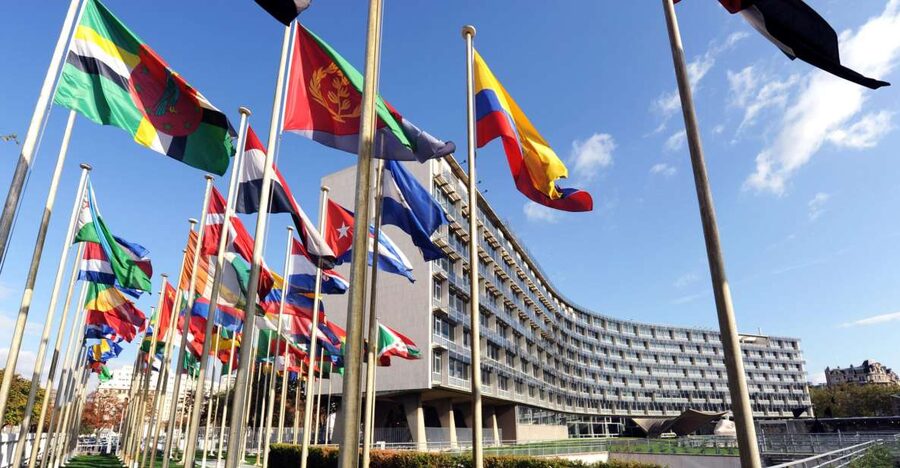
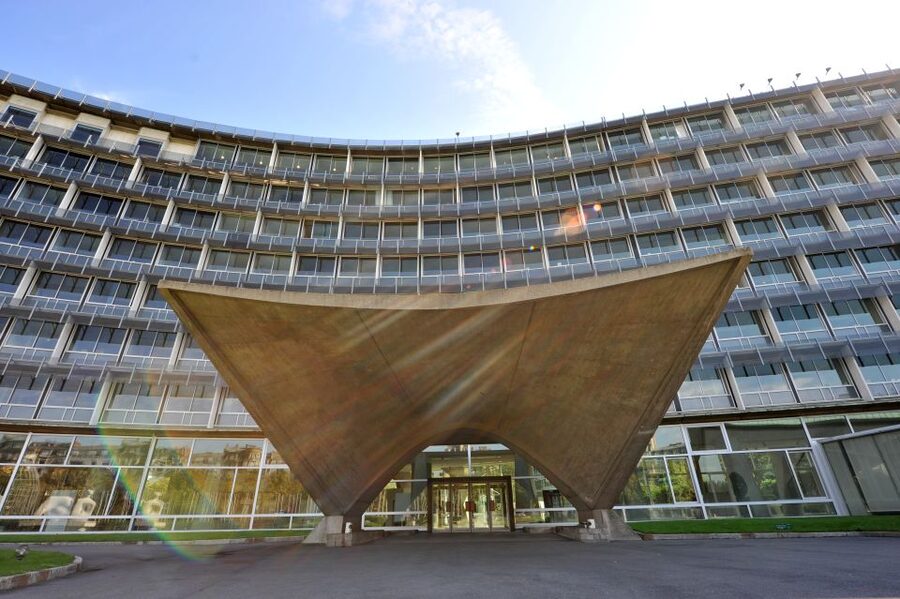
UNESCO House is not a museum built to look important. It is the working Paris headquarters of a United Nations agency, and the tour takes you inside a building where modern architecture, diplomacy and art share the same corridors. You’ll see conference rooms, concrete walkways, a Japanese garden and a meditation space by Tadao Ando.
I like two things about this visit: you get access to a place most people only know by name, and the route pairs architecture with a collection of more than 600 modern and contemporary artworks. The main caveat is that 90 minutes is a short time to cover a large institution, and the garden may not look its best if its fountains are dry.
What to know before you go
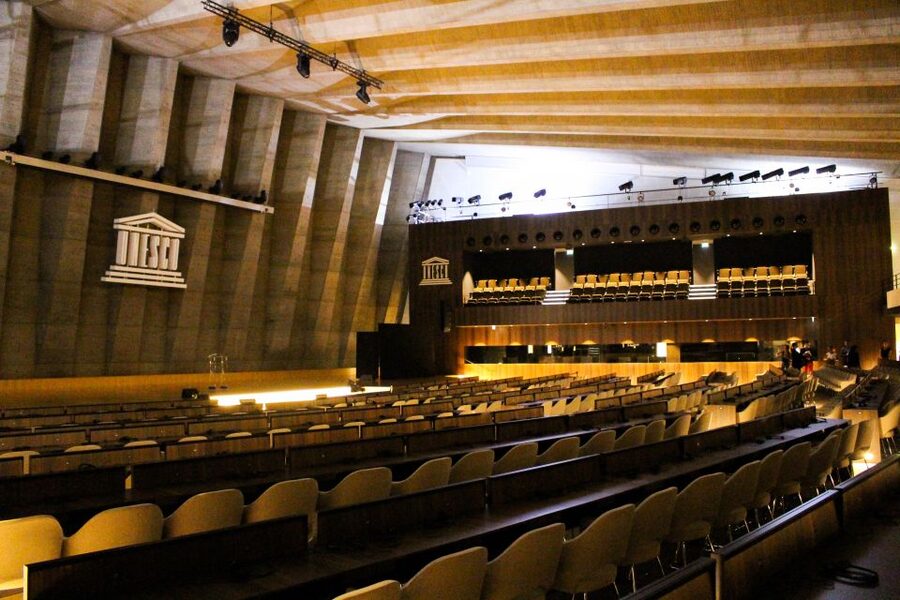
- UNESCO House has been the agency’s headquarters since 1958. The building grew from a collaboration among Bernard Zehrfuss, Marcel Breuer and Luigi Nervi.
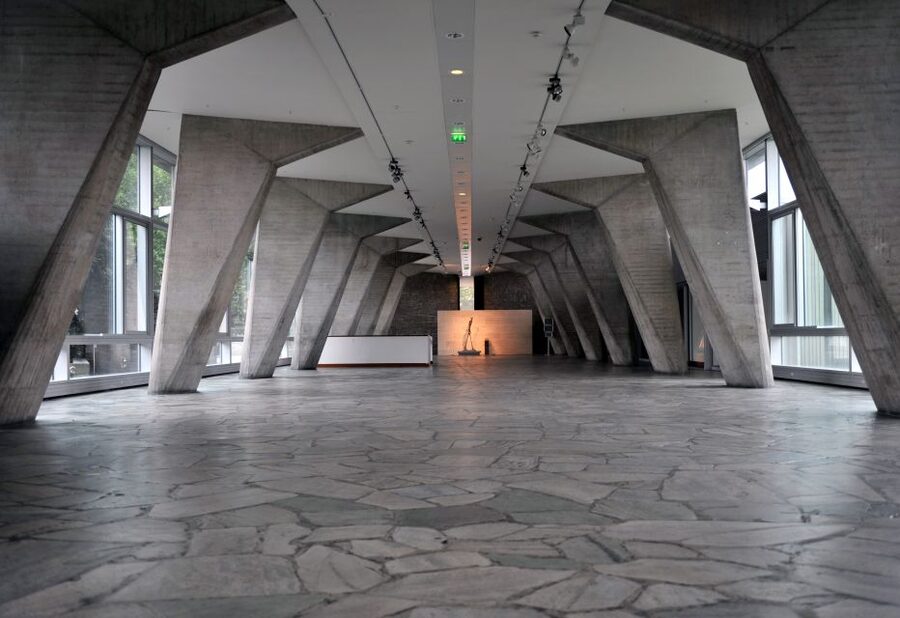
- The tour includes more than offices and conference rooms. Expect concrete corridors, walkways, a Japanese garden and a meditation space designed by Tadao Ando.
- Art is part of the route. The collection includes works by Miró, Picasso, Giacometti and Calder, among more than 600 modern and contemporary pieces.
- A guide gives the institution context. The focus is UNESCO’s history, work and values, not architecture alone. Tours are in English or French.
- Allow time for security. The meeting point is inside the building, and you need to arrive 15 minutes early with a passport or ID card.
- At $23 per person, the price covers the guide and admission. Transfers are not included, and the visit lasts 90 minutes.
Inside a working UN headquarters
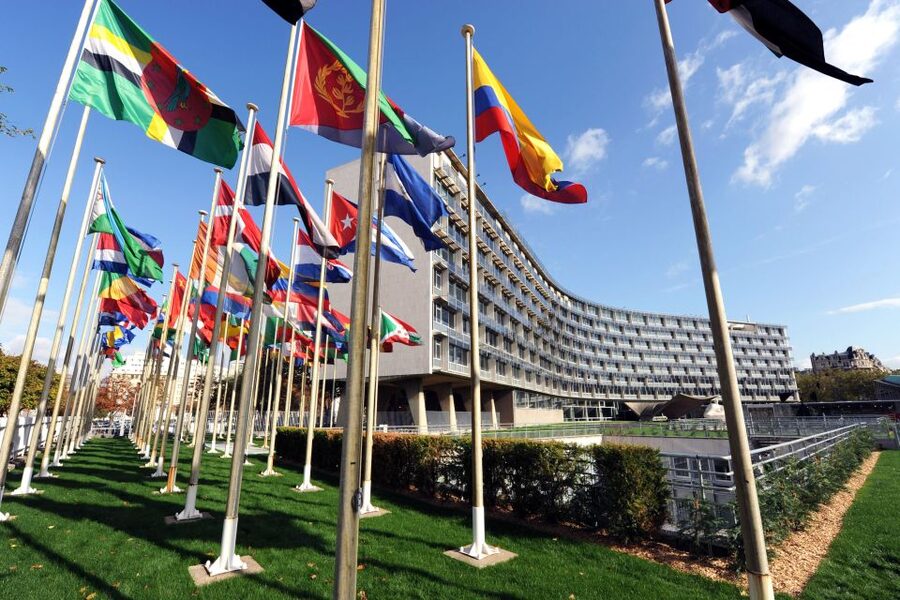
UNESCO House sits in Paris’s 7th arrondissement and has served as headquarters of the United Nations Educational, Scientific and Cultural Organization since 1958. That gives the visit a different feel from a standard architecture tour: you are entering a real institution, with spaces designed for international meetings and cultural work.
The guide explains what UNESCO does and how its values shape its work. That context matters. Without it, a conference room can look like a large room with microphones; with it, you can understand why an organization devoted to education, science and culture needs places where representatives can meet and work together.
The tour is guided rather than self-directed, which helps make sense of both the building and the agency. Recent guides have included Joao and Valerie. Joao was praised for knowing his subject and conveying a personal attachment to the institution, while Valerie was described as clear and available to questions. Those qualities are especially useful here: the building has plenty to look at, but the story behind it is what ties the rooms together.
Do not expect a lengthy seminar on every UNESCO program. At 90 minutes, the visit has to balance institutional background with architecture and art. One visitor who wanted a more detailed exploration felt the tour did not go far enough into the site. If you are after an exhaustive account of UNESCO’s work, you may find the pace brisk. If you want a well-framed introduction and a look inside the headquarters, the format makes sense.
More tours and experiences in Paris:
- Paris: 1-Hour Seine Cruise departing from the Eiffel Tower
★ 4.4 · 77,472 reviews - Paris: Louvre Museum Timed-Entrance Ticket
★ 4.6 · 71,977 reviews - Disneyland® Paris 1-Day Ticket
★ 4.6 · 49,412 reviews
Modern architecture by three major designers
UNESCO House was created through the collaboration of Bernard Zehrfuss, Marcel Breuer and Luigi Nervi, three prominent figures in twentieth-century architecture. The building is described as a modern architectural landmark, and the tour moves through its conference rooms, walkways and concrete corridors.
The contrast between these spaces is part of the appeal. The conference rooms show the building’s formal, institutional side, while the corridors and walkways make the architecture part of the everyday route through the headquarters. Rather than seeing a single facade and moving on, you get to experience the interior spaces that give the complex its character.
The tour is a good fit if you enjoy modern architecture but do not want a visit limited to names and dates. A guide can connect design decisions to the building’s purpose as an international workplace. Still, the information provided does not specify exactly which rooms are visited or how long the group spends in each one, so expect a guided overview rather than a deep architectural study of every feature.
The building’s scale and its public role also make this a more unusual Paris stop than a conventional monument. You are not simply looking at a historic landmark from the street. You pass through spaces designed for meetings and institutional life, with architecture and art woven into the setting.
Conference rooms, walkways and concrete corridors
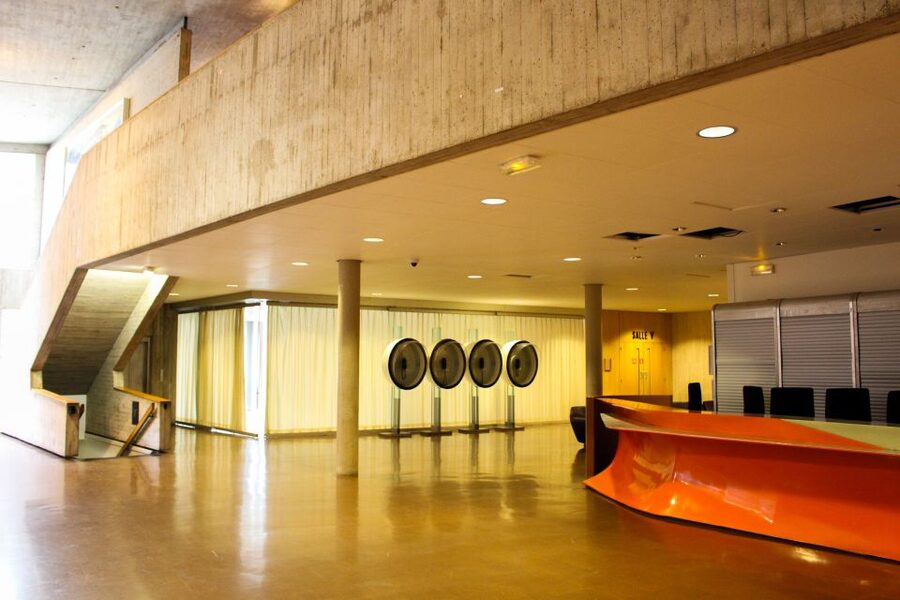
The route includes UNESCO’s impressive conference rooms, along with walkways and concrete corridors. These are not just connecting spaces. Together, they show how the building is organized and how its modern design carries through areas used for different purposes.
The conference rooms are a natural place to think about UNESCO’s role. The agency works across education, science and culture, and the headquarters is where its institutional life takes place. You will not be attending a conference, of course, but seeing the rooms helps put the organization’s international work in a physical setting.
The corridors offer a different kind of interest. Modern concrete can feel stark, especially if you prefer ornate Paris interiors, but here it is part of the point. The tour lets you see how the architects used a consistent modern language across a working complex. If you come expecting gilding and historic salons, adjust your expectations: this is a mid-century modern building, not a palace.
The guide’s explanations are important in these spaces. Visitors have valued clear, engaged interpretation, and a good account can turn a brisk walk through offices and halls into a coherent visit. If you are especially interested in the architecture, it may be worth asking questions during the tour, while keeping in mind that the visit must also cover UNESCO’s mission and art collection.
A Japanese garden and a quieter space
The Japanese garden offers a change of pace from the concrete interiors. It is described as the only Japanese garden in Paris, making it one of the tour’s more distinctive stops. After conference rooms and corridors, a garden gives the route a different scale and mood.
Keep your expectations grounded, though. One visit found the garden disappointing, with fountains dry. That is a useful reminder that outdoor features can depend on their condition at the time. The garden remains an unusual part of the headquarters, but it may not deliver the polished, water-filled scene you imagine from the description.
The tour also includes a meditation space designed by Japanese architect Tadao Ando. This is a separate architectural highlight, and its purpose gives it a different character from the formal meeting rooms. The supplied details do not describe its layout or how long the group stays, so treat it as a meaningful stop within a broad tour, not a stand-alone visit.
Together, the garden and meditation space add variety to an itinerary that could otherwise be dominated by institutional rooms. They also point to the way UNESCO House brings different cultural references into its architecture and grounds.
If you would rather spend the day differently:
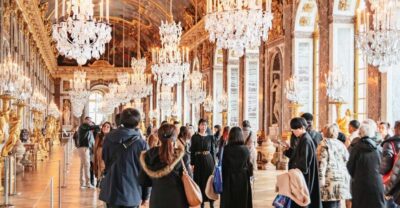
- Paris: Versailles Palace and Gardens Full Access Ticket
★ 4.6 · 41,579 reviews - Paris: Arc de Triomphe Rooftop Tickets
★ 4.6 · 34,264 reviews - Paris: Orsay Museum Entry Ticket
★ 4.7 · 25,647 reviews - Paris: Evening River Cruise with Music
★ 4.4 · 22,721 reviews
Art along the way, from Miró to Calder
UNESCO House holds more than 600 modern and contemporary masterpieces. The works include pieces by Miró, Picasso, Giacometti and Calder, so the art is not an incidental decoration. It is one of the main reasons the visit appeals to people who might not otherwise book a tour of an international organization’s offices.
Seeing art in the setting of a headquarters changes the experience. Instead of moving from gallery to gallery in a conventional museum, you encounter artworks as part of a larger architectural and institutional visit. The route links the building’s design, UNESCO’s cultural mission and a substantial collection in one short tour.
The collection is broad, and the 90-minute limit means the guide cannot linger over every work. Think of this as an introduction to the collection rather than a complete art tour. If you have a particular interest in one of the artists, ask your guide whether a relevant work is included in the route. The available information does not promise particular artworks or a fixed stop-by-stop order.
For an art lover, this mix can offer better value than a visit focused on only one subject. You get a look at major twentieth-century architecture, learn about UNESCO and encounter works by celebrated artists without needing to plan separate visits. The trade-off is depth: each element shares the clock.
Is 90 minutes and $23 good value?
The tour costs $23 per person and includes both the guide and entrance tickets. Transfers are not included, so you will need to make your own way to the 7th arrondissement. At 90 minutes, the visit is compact enough to fit into a Paris day without taking over the schedule.
I think the value rests on access and variety. You are not paying only to hear about UNESCO from outside; you enter its headquarters and see conference rooms, architectural spaces, a garden, a meditation area and artworks. For someone interested in architecture, international organizations or modern art, that combination makes the price easier to justify.
The value is less clear if you want a very detailed examination of one topic. The tour has to cover the organization’s work and history as well as several physical spaces and the art collection. A visitor hoping for a much more in-depth exploration of the site may find the visit too brief. Consider your priorities before booking: it is a sampler with a strong setting, not a full day of study.
The guide can make a real difference. Joao was noted for strong subject knowledge and a sense of commitment to the institution; Valerie was appreciated for clear explanations. Those are encouraging qualities, but individual guides and the exact route may vary. The tour is available in French and English.
Getting to the meeting point
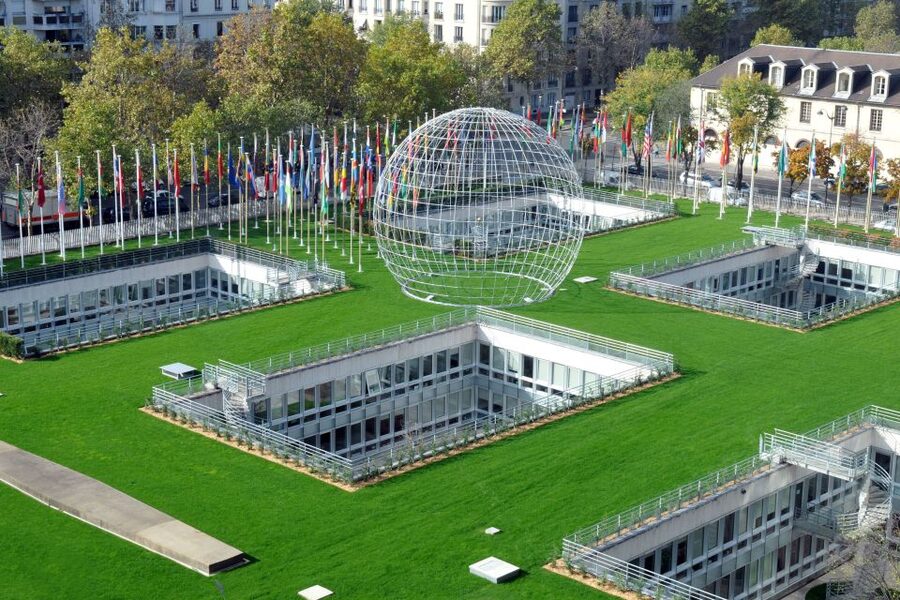
The entrance is at 7 Place de Fontenoy, 75007 Paris. Once inside, meet in front of the shop, to the left of the reception desk. You must pass through security to reach that point, so arrive 15 minutes before your scheduled start.
Bring a passport or ID card. It is a straightforward detail, but one worth checking before you leave your hotel, since the tour takes place inside a headquarters with security controls. Wheelchair access is available.
The activity offers free cancellation up to 24 hours in advance, and you can reserve now and pay later. If you need to change or cancel a booking, contact GetYourGuide customer service. For an emergency on the day, the listed contact number is +33 1 42 46 92 04 from Monday to Friday, or +33 6 25 42 28 91 on Saturdays, Sundays and French public holidays. The tour provider is closed on weekends and French public holidays, so use the relevant emergency number rather than sending a message through the booking platform if an urgent issue arises.
Should you book the UNESCO House tour?
Book it if you want a compact, guided look at a real UN institution, especially if modern architecture and art interest you. The combination of Zehrfuss, Breuer and Nervi’s building, Tadao Ando’s meditation space and a collection that includes Picasso, Miró, Giacometti and Calder is unusually broad for a 90-minute visit.
Think twice if you want a long, highly detailed tour of either UNESCO’s programs or every part of the building. The schedule is short, and the garden’s condition may vary. For a practical introduction to UNESCO House, with access that you would not get from a walk past its entrance, I’d put it on the list.
FAQ
How long is the UNESCO Headquarters Tour?
The guided tour lasts 90 minutes.
How much does the tour cost?
The listed price is $23 per person.
What languages are available?
The live guide is available in English or French.
Where is the meeting point?
Enter at 7 Place de Fontenoy, 75007 Paris. Inside the building, meet in front of the shop, to the left of the reception desk.
How early should I arrive?
Arrive 15 minutes before your visit because you need to pass through a security check before reaching the meeting point.
Do I need to bring identification?
Yes. Bring a passport or ID card.
Is the tour wheelchair accessible?
Yes, the activity is listed as wheelchair accessible.
What is included in the price?
The guide and entrance tickets are included. Transfers are not included.
Can I cancel my booking?
You can cancel up to 24 hours in advance for a full refund.
Recently reviewed in Paris
- Private Paris WWII History Tour: Occupation & Resistance★ 4.4 · 3 reviews
- Private Highlights of Paris Bike Tour★ 4.9 · 12 reviews
- Paris: Louvre Museum Highlights Small-Group Guided Tour★ 4.8 · 157 reviews
- Private Orsay Museum Tour: 2h Highlights w/ Monet & Van Gogh★ 5.0 · 4 reviews
- Private Mont Saint-Michel trip from Paris Calvados tasting★ 5.0 · 4 reviews
- Highlights of Paris: Private 6-Hour Vintage 2CV Tour★ 3.9 · 19 reviews
- Private Giverny Monet’s House & Gardens Trip from Paris★ 4.9 · 11 reviews
- Private Guided Tour, The Louvre by night !★ 4.2 · 30 reviews
Paris Tours, compared.

1-Hour Seine Cruise departing from the Eiffel Tower
Read our review →

Versailles Palace and Gardens Full Access Ticket
Read our review →