
Reviewed · PARIS CHOCOLATE TOURS
Paris: Entrance Ticket to the Chocolate Museum
Chocolate has a long journey from ancient ritual drink to the sweet in your pocket. At the Chocolate Museum Paris, you can trace more than 4,000 years of that story among over 1,000 objects, with chocolate samples along the way.
I like two things in particular: the history is tied to real objects, from chocolate vessels to tools, and the tasting stops give you a flavorful break from reading display panels. The children’s treasure hunt also gives younger visitors a reason to keep looking.
One consideration: this is self-guided, and the virtual demonstration may not feel as engaging as watching a chocolatier work in person. The visit can be brief if you move quickly, so the $21 price makes most sense if you plan to read, taste, and take your time.
What to Know Before You Go
- A long history in a compact museum: Follow cacao’s story from the Olmecs, Maya, and Aztecs through its arrival in Europe and the modern chocolate trade.
- More than 1,000 objects: Displays include chocolate-related artifacts, tools, and containers, as well as examples of chocolate craftsmanship.
- A virtual demonstration with master chocolatiers: Watch two Meilleurs Ouvriers de France explain how chocolate gets its glossy outer coat.
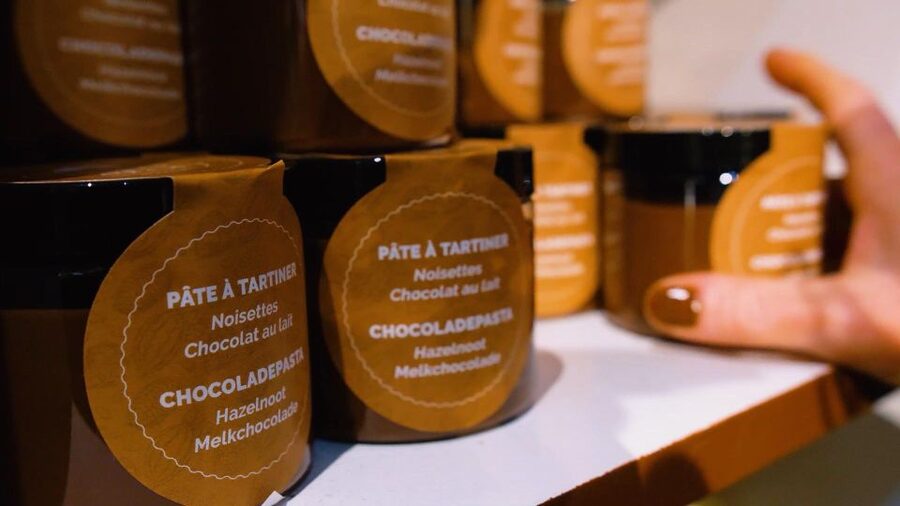
- Samples are part of the visit: Taste chocolate products made on-site, including examples associated with Costa Rica, Peru, and Vanuatu.
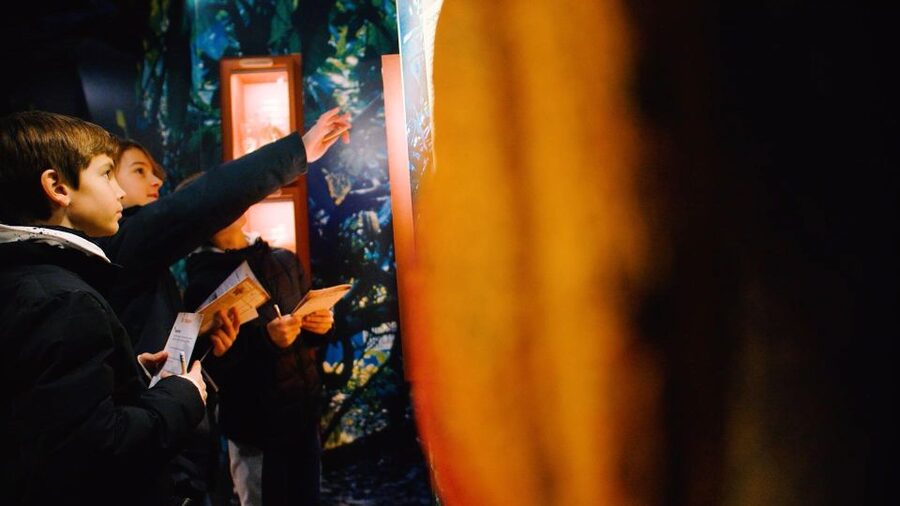
- A useful family activity: Children can follow a treasure hunt, and the museum provides an activity booklet.
- Plan for a self-guided visit: Panels are in English, French, and Spanish. An audioguide in seven languages costs €3 per person.
A Small Museum With a Big Subject
The Chocolate Museum, also called Le Musée Gourmand du Chocolat, is at 28 Boulevard de Bonne Nouvelle in Paris’s 10th arrondissement. Its exhibits and demonstrations occupy about 850 square meters, or 2,789 square feet. That is enough room for a clear chronological route, but it is not a sprawling museum that needs a full day.
The ticket is valid for one day, but that describes the ticket’s validity, not the time you should expect to spend inside. Your visit can be a quick circuit or a slower read-through, depending on how closely you study the panels, watch the demonstrations, and linger at the tasting points. Some people are through in under half an hour; others have spent as long as three hours. I’d allow more time if you are visiting with children or want to take in the full story.
The museum works best as a focused stop rather than a substitute for Paris’s larger art and history museums. Its appeal is the mix of history, objects, short videos, and edible samples. You do not need to be a serious chocolate fan to follow the story, though you may find the samples make the subject easier to appreciate.
More chocolate tastings in Paris:
- A Morning in Paris Food Tour: Croissants, Baguettes & Chocolate
★ 5.0 · 556 reviews - Paris: 45-minute Chocolate Making Workshop at Choco-Story
★ 4.4 · 444 reviews - Paris: Chocolate & Patisserie Walking Tour with Tastings
★ 4.8 · 397 reviews
From Ancient Rituals to a European Curiosity
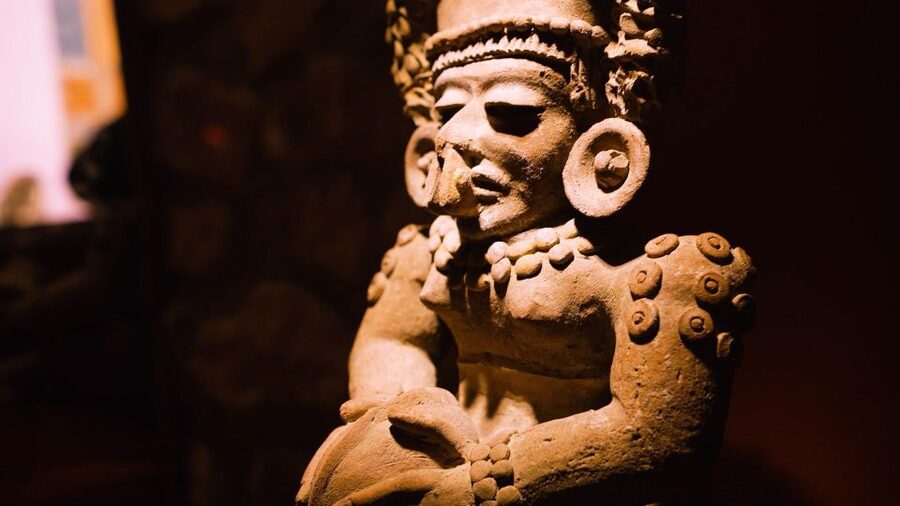
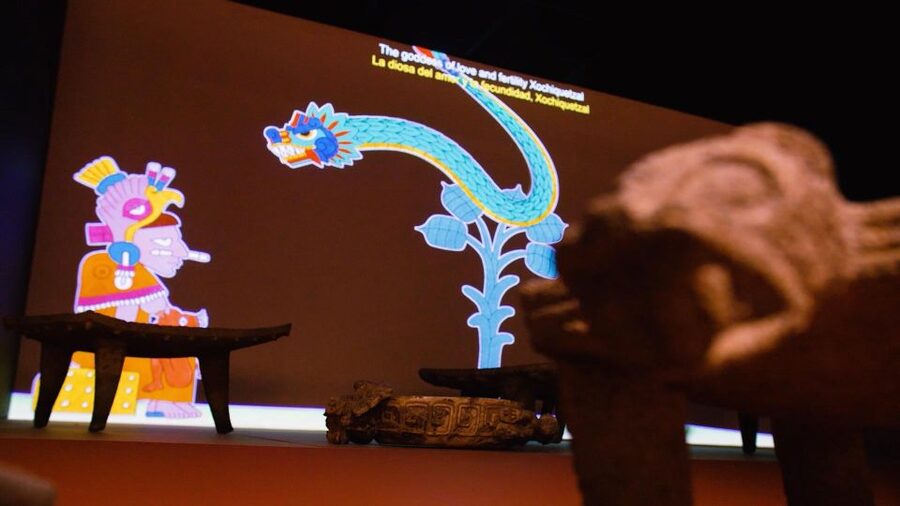
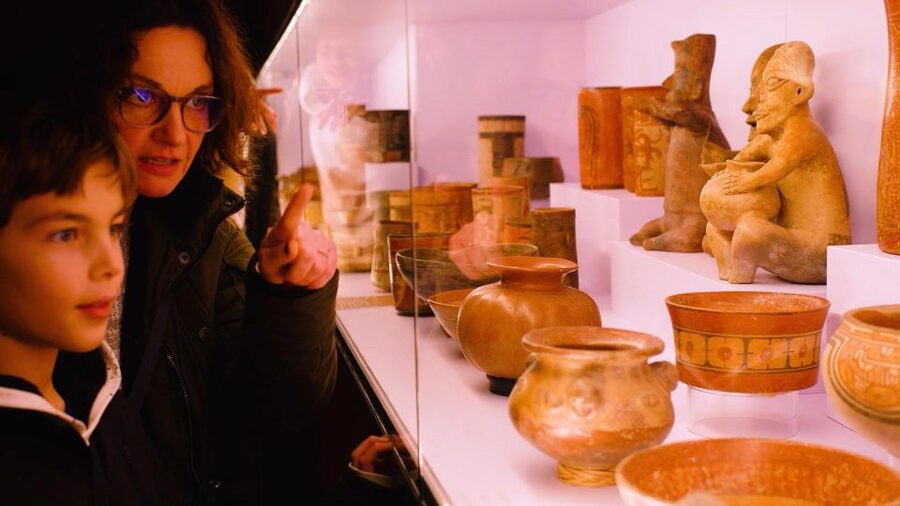
The visit begins with cacao’s early history among the Olmecs, Maya, and Aztecs. The displays explain that chocolate was not always a sweet treat. It had ceremonial and mystical uses, and the bean held a place in ancient cultures well before it became a European indulgence.
That shift in perspective is one of the museum’s strengths. You see chocolate not just as a food, but as a crop and a cultural object whose meaning changed as it moved between societies. The artifacts help anchor the story, while the explanatory panels fill in the background. If you usually reach for chocolate without thinking about where it came from, this section gives you a reason to pause.
The museum then moves into the 1500s, when the Aztec emperor Montezuma introduced cacao to Europe. Christopher Columbus was the first European to taste the drink known as tchocoatl, but he did not like it and paid little attention to it. That is a useful reminder that chocolate’s popularity was not instant. It took time for Europeans to warm to a drink whose taste and preparation were unfamiliar.
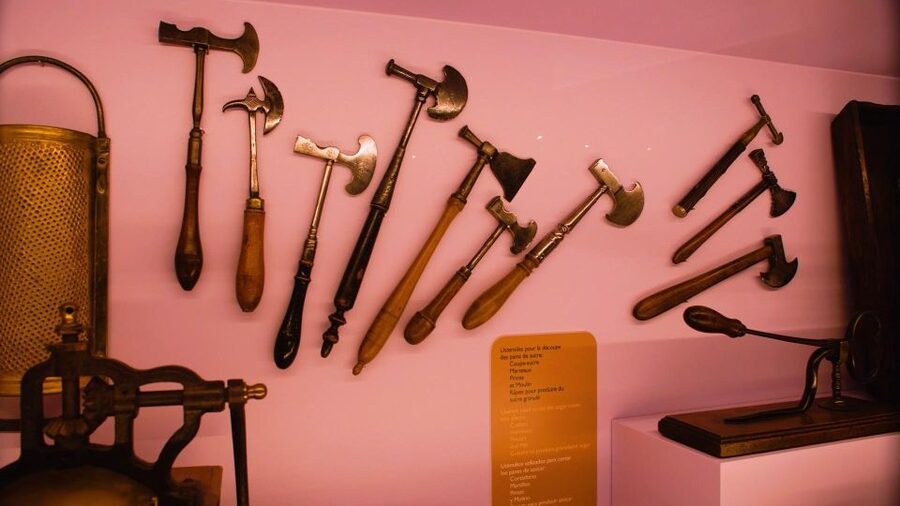
From there, the displays trace the changing chocolate trade and the steps toward modern production. The story is most engaging when the museum connects those broad changes to the objects on display. You can see how tools and containers shaped the way chocolate was prepared and served, then consider how production methods changed as chocolate became more widely made.
More Than 1,000 Objects, Not Just Sweet Samples
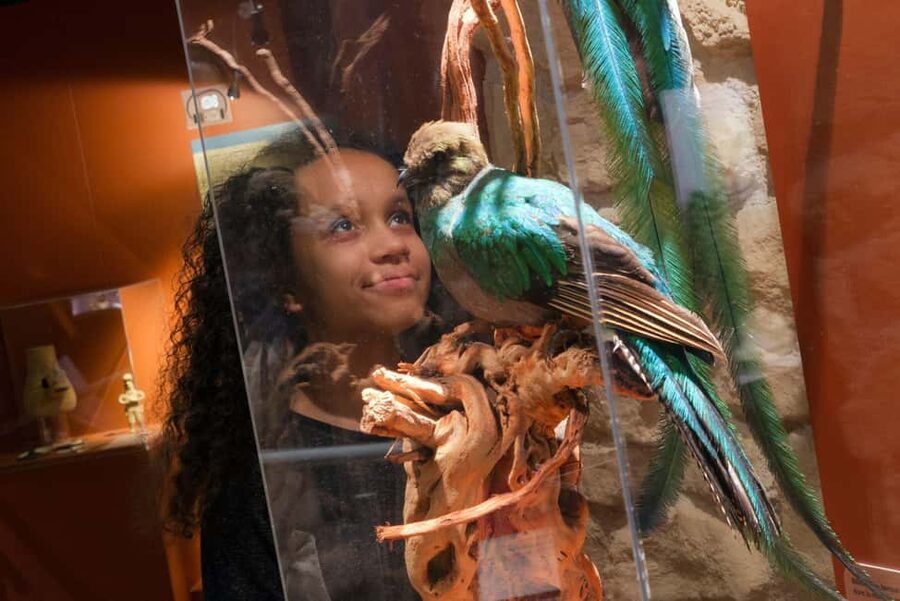
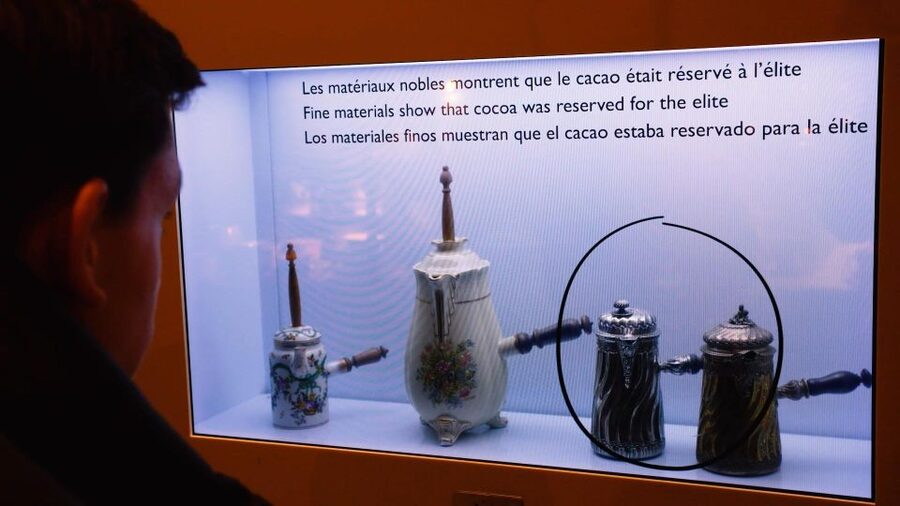
The museum’s collection includes more than 1,000 chocolate-related artifacts. Its visual displays are a welcome counterweight to the reading. Chocolate vessels, utensils, and containers show how the product was handled and presented across different periods. Some pieces are decorative enough to interest you even if the history panels are not your main draw.
I’d give the objects a proper look instead of treating the museum as a tasting room with a few displays around the edges. The collection helps explain how chocolate became part of everyday life and changing social customs. It also gives children something concrete to spot while following the timeline.
The exhibits are presented in English, French, and Spanish. If you prefer to hear information rather than read panels, you can pick up an audioguide at the welcome desk for €3 per person. It is available in French, English, German, Dutch, Spanish, Italian, and Portuguese. That extra charge is modest, but it is worth knowing about when you compare the ticket price with what is included.
The Demonstration Explains Chocolate’s Shine
A virtual demonstration featuring two Meilleurs Ouvriers de France, or Best Craftsmen of France, shows how chocolate sweets are made and explains the technique behind their glossy outer coat. The demonstration is a practical complement to the history displays: it turns a familiar finished product into a process you can follow.
You can also learn how chocolate sweets are made, with the demonstration and tasting stops giving you a sense of the textures and finishes involved. The format is virtual rather than a live, hands-on class, so keep your expectations in line. If you want to watch someone temper chocolate at a workbench in real time, this may not scratch that particular itch.
The video is still useful for understanding why a smooth, shiny coating takes skill. It gives context to the chocolate you taste later, and helps connect production to the finished sweet. The two featured master chocolatiers lend authority to the explanation, even though the presentation is on screen.
More dessert tours in Paris:
- Paris: Day or Sunset Cruise with Drink, Ice Cream or Dessert
★ 4.4 · 4,225 reviews - Private Montmartre Food Tour with Wine, Cheese & Pastries
★ 5.0 · 1,027 reviews - Paris French Sweets Tasting Tour with Pastries and Chocolates
★ 4.5 · 947 reviews - Paris Chocolate, Macaron & Pastry Food Tour: 10 Gourmet Tastings
★ 5.0 · 339 reviews
Tasting Stops Turn the Story Into Flavor
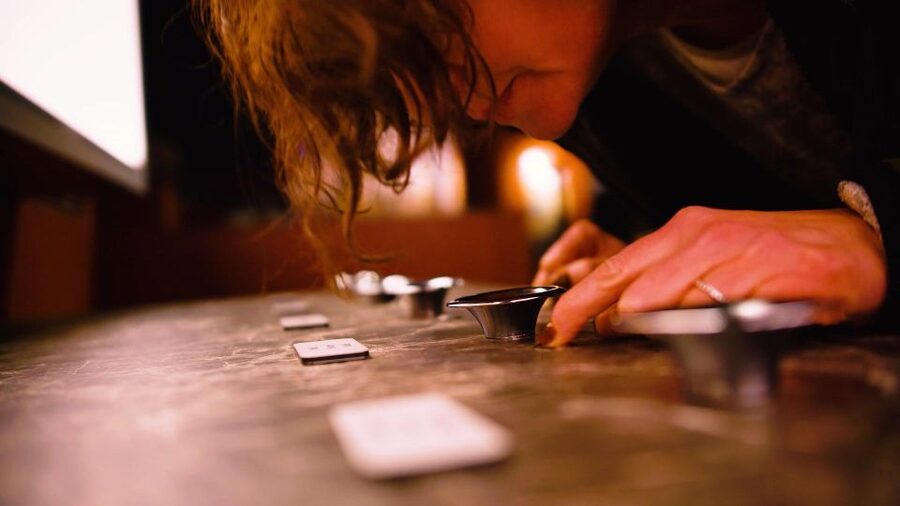
The samples are among the visit’s best features. You can taste chocolate products made on-site, including a praliné and a ganache, and compare chocolates linked to different places of origin. Examples include the milky smoothness of Costa Rican chocolate, the fruity character of Peruvian chocolate, and the sweet aromas associated with Vanuatu cacao beans.
These samples do more than provide a treat. They help you notice how chocolate can vary by origin and style, rather than assuming every bar tastes much the same. The experience is especially useful if you are curious about cacao but have never tried comparing different kinds side by side.
The ticket includes chocolate samples, but do not assume that every drink or extra is covered. Hot chocolate is not listed among the included items. A past price cited for a cup was €3, so check the current cost at the museum if you want one. It may be a welcome finish, but after several samples, you may already have had your fill.
A Good Stop With Children
The museum gives children a treasure hunt, and the activity book helps turn the displays into a mission rather than a long walk past labels. The hunt includes a prize at the end, which gives young visitors a clear goal. Families have also found the activity engaging for a range of ages, including school-age children and teenagers.
That structure matters in a museum where the subject could otherwise become a lot of reading. Kids can search for details, look closely at the objects, and connect the clues to the history. The tasting points add a welcome incentive, though they are not a replacement for the activity itself.
I’d consider this a good family stop if your children enjoy food, objects, or scavenger hunts. It can also work for adults who are not keen on museums, since the subject is approachable and the visit includes samples. Still, the experience is self-guided, so families should be ready to set their own pace and keep the children moving through the displays.
Is $21 a Fair Price?
At $21 per person, the ticket is not simply a pass to see a few chocolate displays. You are paying for a compact museum visit that combines the historical exhibits, the virtual demonstration, included samples, and, for children, the treasure hunt. If you take time with the objects and panels, the price is easier to justify.
The value is less convincing if you plan to rush through. A quick visit can take under 30 minutes, which may feel short for the cost. On the other hand, visitors who read the material, stop at the tasting points, and use the children’s activity have spent considerably longer. Your pace and interest in the subject make a real difference here.
I’d think of the ticket as a small, themed museum experience rather than a chocolate workshop. The workshop is not what is included: the demonstration is virtual, and the main activity is self-guided. If you want a structured lesson with hands-on chocolate making, this may not be the right choice. If you want history, displays, and samples under one roof, it offers a more rounded visit.
Practical Details for a Smooth Visit
The museum is at 28 Boulevard de Bonne Nouvelle, 75010 Paris. The last admission is at 4:30 PM, so do not leave it until late afternoon if you want time to read and taste. Large bags and luggage are not allowed, so travel light.
The museum is wheelchair accessible. Admission is self-guided, with the optional audioguide available at the welcome desk for €3. Panels are in English, French, and Spanish, which makes it possible to follow the main story without paying for audio if one of those languages works for you.
Tickets offer free cancellation up to 24 hours in advance, and the reserve-now, pay-later option lets you hold a place without paying immediately. These terms can help if your Paris plans are still taking shape. Check availability for the date and time you want, and remember that the stated final admission time is 4:30 PM.
Should You Book the Chocolate Museum?
Book it if you want an easy-to-follow history of chocolate, enjoy looking at artifacts, or are traveling with children who like scavenger hunts and tasting stops. The combination of ancient cacao traditions, European history, a master-chocolatier demonstration, and samples gives the museum more substance than a shop visit.
Skip it if you expect a live workshop or a long, guided tour. The experience is self-directed, and the demonstration is virtual. At $21, it rewards curiosity and a willingness to spend time with the exhibits. If that sounds like a good way to spend part of a Paris day, the Chocolate Museum is a worthwhile, sweetly practical stop.
FAQ
How long does a visit take?
The ticket is valid for one day, but the time inside varies. A quick visit can take under 30 minutes, while a slower visit with time for the displays and tastings can last much longer.
What is included in the admission price?
Admission includes entry to the museum, chocolate samples, a virtual demonstration featuring two Meilleurs Ouvriers de France, and a treasure hunt for children.
Is the demonstration live?
No. The demonstration is virtual. It explains chocolate-making and the glossy finish on chocolate treats.
Are chocolate tastings included?
Yes. Chocolate samples are included, with examples such as praliné and ganache. Hot chocolate is not listed as included.
Is there an audioguide?
Yes. You can get one at the welcome desk for €3 per person. It is available in French, English, German, Dutch, Spanish, Italian, and Portuguese.
What languages are used for the museum displays?
The descriptive panels are in English, French, and Spanish.
Is the museum suitable for children?
Yes. Children can take part in a treasure hunt, and an activity book is available. The visit also includes chocolate samples.
Can I bring luggage or a large bag?
No. Luggage and large bags are not allowed.
More museum visits in Paris
- Paris: Louvre Museum Timed-Entrance Ticket
★ 4.6 · 71,977 reviews - Paris: Orsay Museum Entry Ticket
★ 4.7 · 25,647 reviews - Louvre Museum Masterpieces Guided Tour with Access
★ 4.5 · 12,023 reviews - Paris: Louvre Museum Entry Ticket With Host and River Cruise
★ 4.6 · 9,926 reviews
Recently reviewed in Paris
- Private Paris WWII History Tour: Occupation & Resistance★ 4.4 · 3 reviews
- Private Highlights of Paris Bike Tour★ 4.9 · 12 reviews
- Paris: Louvre Museum Highlights Small-Group Guided Tour★ 4.8 · 157 reviews
- Private Orsay Museum Tour: 2h Highlights w/ Monet & Van Gogh★ 5.0 · 4 reviews
- Private Mont Saint-Michel trip from Paris Calvados tasting★ 5.0 · 4 reviews
- Highlights of Paris: Private 6-Hour Vintage 2CV Tour★ 3.9 · 19 reviews
- Private Giverny Monet’s House & Gardens Trip from Paris★ 4.9 · 11 reviews
- Private Guided Tour, The Louvre by night !★ 4.2 · 30 reviews
Paris Chocolate Tours, compared.
A Morning in Paris Food Tour: Croissants, Baguettes & Chocolate
Read our review →
45-minute Chocolate Making Workshop at Choco-Story
Read our review →
Chocolate & Patisserie Walking Tour with Tastings
Read our review →
Paris Chocolate, Macaron & Pastry Food Tour: 10 Gourmet Tastings
Read our review →
Discover Brussels and Bruges & Optional Chocolate Tasting
Read our review →
Saint-Germain-des-Prés: Pastry and Chocolate Walking Tour
Read our review →
Browse the lists this tour appears in