
Reviewed · PARIS
Paris: City Center Group Tour in German
Paris’s grand story unfolds on this walk from Opéra Garnier to Île de la Cité: royal squares, a garden built for kings, the Louvre and the Seine all fit into two hours. Along the way, your guide connects the monuments to tales of Napoleon, the Revolution and the curious history behind the Pont Neuf.
I like two things in particular: you get a useful sweep of central Paris without spending the day on a bus, and the stories give familiar landmarks a reason to hold your attention. One consideration: the pace may be brisk, and the tour’s language is unclear in the supplied details. It is listed as German, though one description calls the guide English-speaking, so check before you book.
- Start beneath Opéra Garnier: Meet at 7 Rue Meyerbeer, in front of the Cadillac store, then set out through the historic center.
- Hear the odd stories behind grand places: Expect tales about opera seating, the French Revolution, Napoleon and the disputed Louvre Pyramid.
- Walk through the Tuileries: The garden adds a calmer stretch and views toward the Champs-Élysées.
- Cross the Seine by Pont Neuf: Despite its name, this is described as Paris’s oldest bridge.
- Finish near Notre-Dame: The route ends on Île de la Cité, with the cathedral back open after its 2024 reopening.
- Get practical Paris pointers: Your guide can offer recommendations for restaurants, museums and local spots.
A two-hour route through central Paris
This tour is a compact introduction to the city’s historic core. Starting near Opéra Garnier and ending on Île de la Cité, it links formal squares, royal gardens, a major museum and the Seine. You cover a lot of ground on foot, but the two-hour limit means this is an overview, not a slow visit to every landmark.
That distinction matters. The itinerary lists photo stops, sightseeing and walking, not museum visits or extended time inside monuments. You’ll see the sites from outside and hear the stories that help you make sense of them. If you want to go inside the Louvre or another attraction, plan that separately.
The route also works as orientation. After seeing the relationship between the grand avenues, garden, river and island, you’ll have a clearer mental map for the rest of your stay. The guide’s tips can help you decide what to revisit, where to eat and which museums deserve more time.
Meeting at Opéra Garnier
The meeting point is in front of the Cadillac store at 7 Rue Meyerbeer, in the 9th arrondissement. Look for a guide carrying a HelpTourists bag and wearing a pink baseball cap. That specific marker should make the group easier to spot on a busy street.
Opéra Garnier is a fitting start: it sets the tone with the scale and formality associated with central Paris. The tour includes a photo stop and sightseeing here, rather than a stated interior visit. If the opera building is a priority, check separately whether you want to arrange entry on another day.
One of the promised stories concerns why women once were not allowed to sit in certain opera seats. It’s the kind of detail that turns a grand façade into a place shaped by real social rules. Ask your guide for context if the subject interests you; the supplied information does not specify exactly which seats or period the story concerns.
More things Paris visitors book in Paris:
- Paris: 1-Hour Seine Cruise departing from the Eiffel Tower
★ 4.4 · 77,472 reviews - Paris: Louvre Museum Timed-Entrance Ticket
★ 4.6 · 71,977 reviews - Disneyland® Paris 1-Day Ticket
★ 4.6 · 49,412 reviews
Place Vendôme and the city of power
From Opéra, the route heads to Place Vendôme. The square offers a change of scene from the opera house: formal architecture and a strong sense of Paris as a city of authority and ceremony. You’ll stop for sightseeing and photographs.
This is also where the tour’s narrative approach can be useful. Rather than simply identifying a monument, a guide can link its setting to the people and events that shaped the city. Napoleon and the French Revolution are among the subjects promised during the walk, though the exact story at each stop may vary.
A group walk is a good format for a square like this. You can take in the composition, hear a short explanation and move on without having to plan a route between major landmarks yourself. The trade-off is that the stop is not a long, independent visit. If you want time to study details or take many photographs, return later at your own pace.
Place de la Concorde and Revolution stories
Place de la Concorde is one of the tour’s most consequential stops. It is presented as one of the French Revolution’s most dramatic locations, giving your guide a chance to explain how political upheaval left its mark on the city.
That context adds value to a short visit. The square is not just a broad open space on the way to the garden; it becomes part of a larger story about Paris changing hands and meanings over time. You’ll have a photo stop and sightseeing here, but no extended visit is specified.
The tour also mentions views toward the Champs-Élysées from the Tuileries area. That helps connect the square and garden to the city’s wider historic axis. If you’re hoping for a dedicated walk down the Champs-Élysées, however, this route does not list one.
A breather in the Tuileries Garden
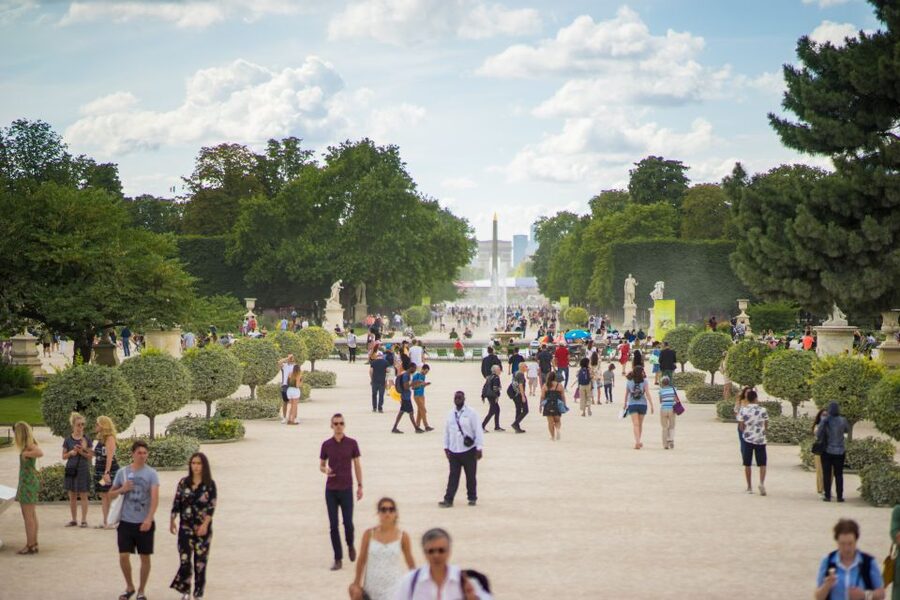
The walk through the Tuileries Garden is the route’s gentler stretch. After the formal squares, the garden gives you room to walk and take in views toward the Champs-Élysées. It also helps explain the transition from royal Paris to the public center you see today.
I like having a garden on a two-hour city walk. It breaks up the sequence of façades and pavement, and gives the guide a natural place to link the surrounding landmarks. The itinerary includes both walking and a photo stop, but it does not promise a long rest or free time.
The garden is also a useful point to notice the scale of central Paris. From here, the Louvre and the route’s next landmarks feel connected rather than like separate checklist items. Keep your camera ready, but don’t expect the tour to pause for an unhurried garden visit.
If you would rather spend the day differently:
- Paris: Versailles Palace and Gardens Full Access Ticket
★ 4.6 · 41,579 reviews - Paris: Arc de Triomphe Rooftop Tickets
★ 4.6 · 34,264 reviews - Paris: Orsay Museum Entry Ticket
★ 4.7 · 25,647 reviews - Paris: Evening River Cruise with Music
★ 4.4 · 22,721 reviews
The Louvre, its pyramid and the argument around it
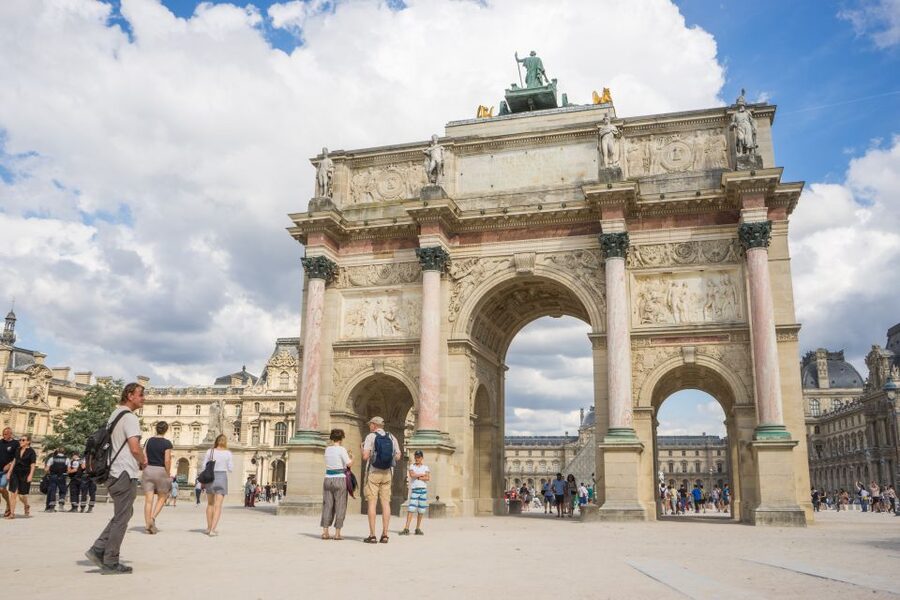
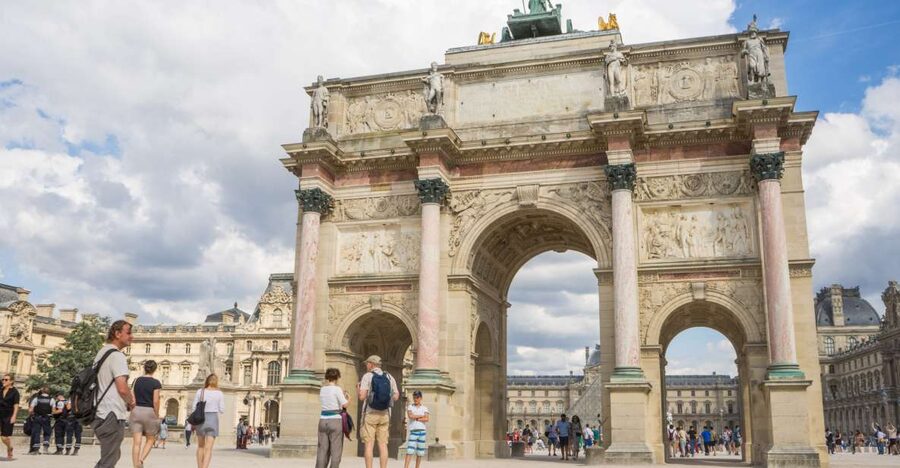
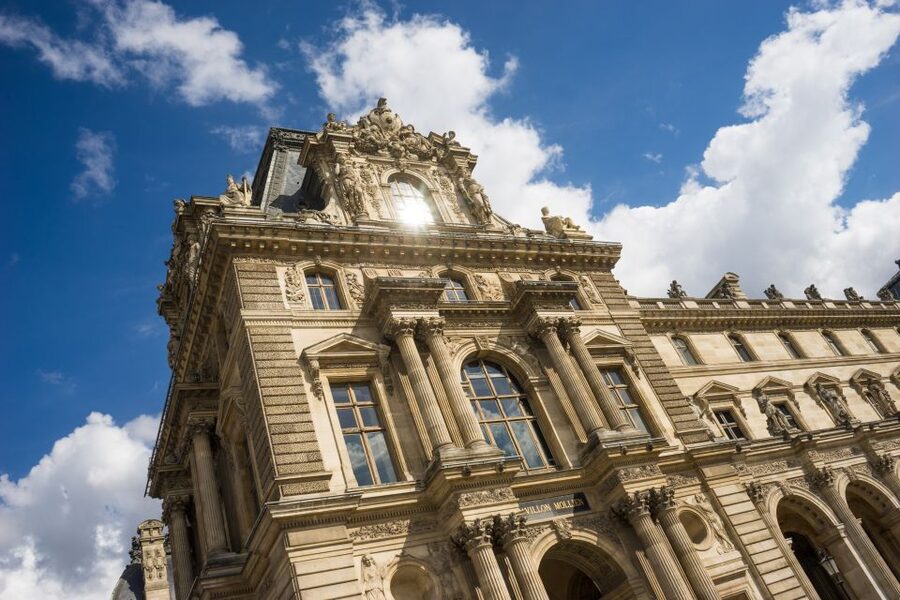
The Louvre stop combines a world-famous museum with a story about a more recent addition: the Pyramid, which caused controversy when it was built. That is a useful reminder that even a landmark now familiar to visitors was once a subject of disagreement.
The tour includes sightseeing and walking at the Louvre, not museum admission. Entry fees are not included, so treat this as an exterior introduction and save the galleries for a separate visit. The museum is too large to do justice to during a brief stop on a walking route.
For a first visit, that division can work well. You get context for the building and its place in the city, then can decide whether to return for the collections. If the Louvre is your main reason for being in Paris, don’t expect this tour to replace a planned museum visit.
Pont Neuf and the Seine
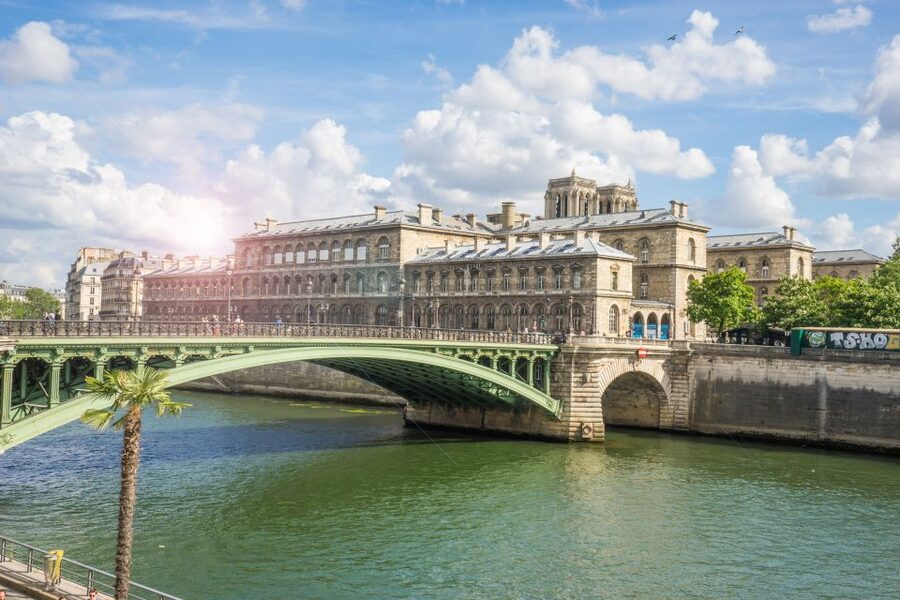
The route continues to Pont Neuf, whose name means New Bridge even though it is Paris’s oldest bridge. That contradiction is an easy fact to remember, and a good example of the tour’s promised mix of history and lighter local lore.
The bridge stop also brings the Seine into the story. You’ll walk along the riverbanks and cross toward Île de la Cité, with a different perspective on the city’s central monuments. The river is not just scenery here; it helps explain how the historic center fits together.
The itinerary includes sightseeing, walking and a photo stop at Pont Neuf. The actual time spent there is not specified, so plan on a short pause rather than a long riverside break. It’s still a worthwhile point to take in the bridges and the relationship between the river and the island.
Ending on Île de la Cité near Notre-Dame
The tour ends on Île de la Cité, the historic island at the heart of Paris. Notre-Dame is among the highlights, and the tour description notes the cathedral’s reopening in 2024. You’ll have a chance to admire it from the outside as part of the walk.
This makes a fitting finish: after the squares, garden, museum and bridge, you arrive at one of the city’s most recognizable landmarks. The tour does not specify cathedral entry, so don’t assume admission is part of the experience. If you want to go inside, check the current arrangements separately.
Ending on the island is practical, too. You can continue exploring nearby or use the guide’s recommendations to plan the next part of your day. The tour’s value is not only in the sights covered, but in giving you enough context to choose what deserves a longer visit.
How the pace and group size may feel
Two hours is short for a route with this many stops. You should be ready to walk steadily and listen while standing, rather than expect long breaks at each site. One account of a small group describes being able to move along at a brisk pace. That sounds efficient, but group size can vary, so it is not a guarantee of a small outing.
If you prefer a slower rhythm, or want time to linger over photographs, consider that before booking. A fast-moving group can cover more ground, but it may leave less space for individual questions or unhurried pauses. The tour is best approached as an engaging overview.
Bring comfortable shoes and arrive at the marked meeting point on time. Food, drinks, entry fees and tips are not included. Those are modest practical details, but they matter when you’re planning a short walk that crosses several central neighborhoods.
The guides and the language question
The tour’s supplied information lists German as the live guide language. However, its longer description also calls the guide English-speaking. That conflict is worth resolving before you pay, especially if you need the tour in one language rather than the other.
Marilena and Lasse are names associated with past tours. Marilena is described as entertaining and very well informed, while Lasse is remembered for answering questions and shaping an interesting route. Those are encouraging examples, but you cannot assume either will lead your departure.
The consistently useful qualities to look for are clear storytelling and a willingness to answer questions. The tour is built around stories, from opera customs to the Revolution and the Louvre Pyramid, so the guide’s delivery will shape much of your experience.
Is $35 a fair price?
At $35 per person, you are paying for a two-hour guided walk, not for admission to the Louvre, Notre-Dame or other attractions. The value comes from having someone connect a string of major sites and add historical context, plus practical recommendations for restaurants, museums and local spots.
For a first visit, that can be a sensible use of two hours. You get orientation without spending a full day on a guided tour, and the route covers several landmarks you might otherwise see as disconnected stops. For a returning visitor, the stories may offer a fresh way to interpret familiar places.
The value is less clear if you already know central Paris well, prefer to explore silently at your own pace, or are mainly seeking interior visits. In that case, the tour’s exterior focus and brisk schedule may not suit you. Compare the fee with what you want from the walk: efficient context and advice, rather than access or a deep visit to any single site.
Who should book this walk?
I’d recommend it to first-time visitors who want a quick, story-led introduction to the historic center. It is also a good fit if you enjoy having a guide point out details you might otherwise pass without noticing, then want the freedom to revisit places on your own.
The walk may suit returning visitors who are curious about Napoleon, the French Revolution, the opera’s social history or the Louvre Pyramid controversy. The mix of landmark stops and local recommendations gives the tour more purpose than a simple route between photo spots.
Skip it if your priority is entering museums, spending long stretches in gardens or moving at a very leisurely pace. And before you book, settle the language question with the provider. If a brisk two-hour walk in the confirmed language sounds right, this is a practical way to put central Paris into context.
FAQ
How long is the tour?
The walking tour lasts two hours.
How much does it cost?
The listed price is $35 per person.
Where does the tour start?
Meet in front of the Cadillac store at 7 Rue Meyerbeer, 75009 Paris.
How do I identify the guide?
Look for a guide carrying a HelpTourists bag and wearing a pink baseball cap.
What language is the tour in?
The activity details list German, but the longer description also calls the guide English-speaking. Confirm the language with the provider before booking.
Where does the tour finish?
It finishes on Île de la Cité.
Does the tour include Louvre admission?
No. Entry fees are not included. The Louvre is a sightseeing and walking stop on the route.
Are food and drinks included?
No. Food and drinks are not included.
Which landmarks are included on the route?
The route includes Palais Garnier, Place Vendôme, Place de la Concorde, the Tuileries Garden, the Louvre, Pont Neuf and Île de la Cité.
Can I cancel for a refund?
The activity details state that you can cancel up to 24 hours in advance for a full refund.
Recently reviewed in Paris
- Private Paris WWII History Tour: Occupation & Resistance★ 4.4 · 3 reviews
- Private Highlights of Paris Bike Tour★ 4.9 · 12 reviews
- Paris: Louvre Museum Highlights Small-Group Guided Tour★ 4.8 · 157 reviews
- Private Orsay Museum Tour: 2h Highlights w/ Monet & Van Gogh★ 5.0 · 4 reviews
- Private Mont Saint-Michel trip from Paris Calvados tasting★ 5.0 · 4 reviews
- Highlights of Paris: Private 6-Hour Vintage 2CV Tour★ 3.9 · 19 reviews
- Private Giverny Monet’s House & Gardens Trip from Paris★ 4.9 · 11 reviews
- Private Guided Tour, The Louvre by night !★ 4.2 · 30 reviews