
Reviewed · PARIS TOURS
Paris: Baguette and French Breads Class
A baguette is more than flour, water, salt and yeast. Its crisp crust and open crumb depend on patient proofing, careful shaping and a hot oven, and this four-hour Paris class lets you work through those steps yourself. You’ll measure and mix dough, shape breads such as baguettes, brioche and ciabatta, then taste what you have made.
I like two things in particular: the class is small, with no more than eight participants, and it teaches the whole bread-making sequence rather than just one quick trick. You also get to eat your work with accompaniments such as cheese, butter or jam, and take the rest away.
The main consideration is the $175 price for a four-hour cooking class. You are paying for instruction and hands-on baking, not just a pastry stop, but the amount of individual practice may vary: participants work in pairs, and some may want more direct involvement in weighing ingredients and tracking their own loaves.
- You learn the full bread-making rhythm: Measure, mix, proof, deflate, shape, proof again and bake.
- Baguette shaping calls for tension: The way you handle and shape the dough matters to the loaf’s form.
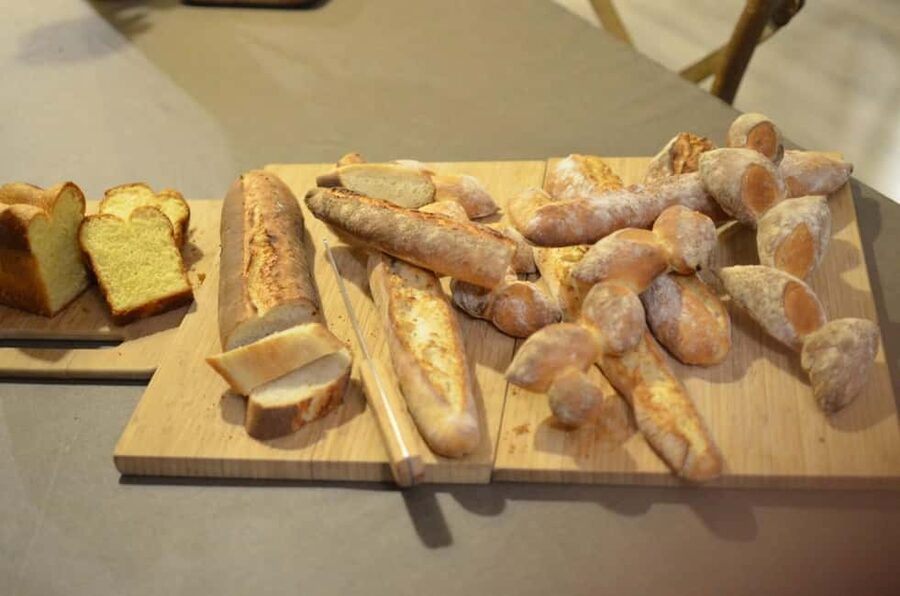
- Several breads may be on the table: Baguette, brioche and ciabatta have all featured in a class.
- The group is capped at eight: You work in pairs, so expect shared work rather than a solo station for every participant.
- You taste and take home the results: Sample the breads with cheese, butter or jam, then pack up the rest.
Four hours from flour to finished bread
This is a practical cooking class, not a bakery demonstration with a few minutes of token dough handling. The lesson follows bread from its simplest ingredients through to the oven, so you can see how each stage affects the result. That sequence is useful because bread-making is less about a single secret and more about noticing what the dough needs at each point.
The basic mix begins with flour, water, salt and yeast. A little butter or oil can change what you make, but the first job is measuring. Then you mix the dough and learn what to look for as the ingredients come together. The point is not only to follow a recipe, but to recognize when the dough feels and behaves as it should.
That kind of instruction is especially helpful if you have baked at home and ended up with loaves that look nothing like the picture. A recipe can tell you quantities, but it cannot always show you what a well-mixed dough looks like or how much handling it can take. The class is designed to teach those practical cues.
Mixing dough and learning what to watch for
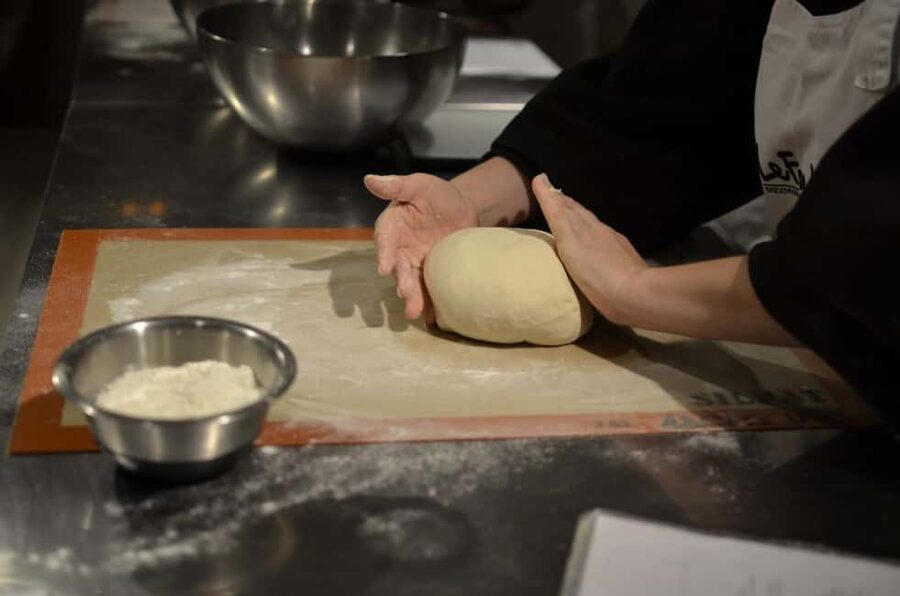
Once the ingredients are measured, you mix the doughs. This is where small decisions begin to matter: how the dough comes together, when to stop mixing, and what signs suggest it needs more work or more rest. You get an introduction to the basic do’s and don’ts before moving on to shaping.
The class works in pairs, which can make the process sociable and let you compare notes as you go. It also means you should not assume you will have an individual batch to manage from beginning to end. One participant would have preferred to handle more of the mixing and ingredient weighing, and to know which breads came from their pair. If learning by doing is your priority, it is worth keeping that shared format in mind.
This is not a reason to dismiss the class. Pair work can help you notice how another set of hands approaches the same dough, and the small group size gives the instructor room to guide participants. Still, if you want a precise record of your own method and results, ask during the session which dough belongs to your pair and what you should note for baking at home.
More hands-on workshops in Paris:
- Fragonard Paris: Mini Perfume Workshop
★ 4.5 · 1,924 reviews - Paris Cooking Class and Lunch with Wine plus Market Visit Option
★ 5.0 · 1,024 reviews - Paris Croissant Small-Group Baking Class with a Chef
★ 5.0 · 910 reviews
Proofing, deflating and giving dough its shape
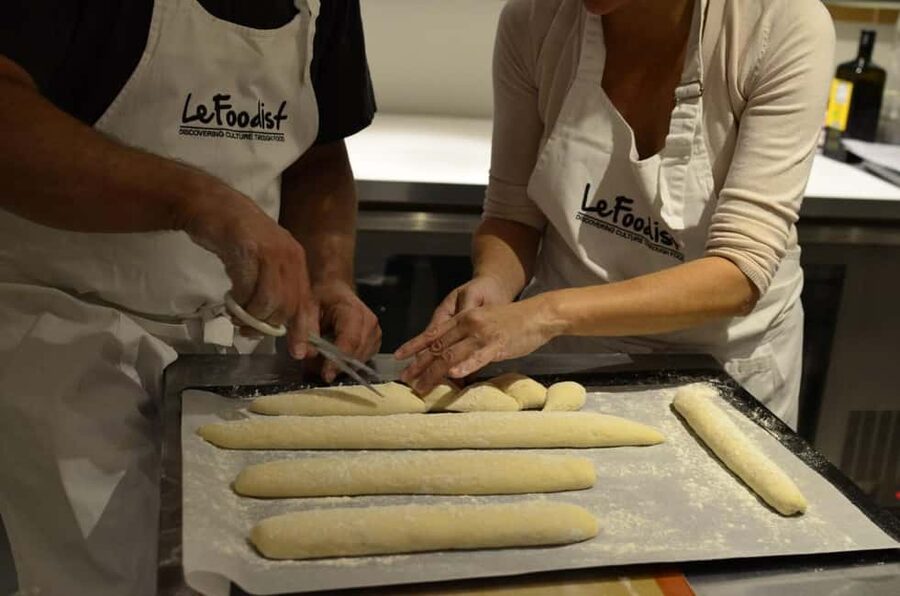
After mixing, the dough needs time to rise. Proofing gives yeast time to work, and the class uses this waiting period as part of the lesson rather than treating it as dead time. You then deflate the dough before shaping it. Some breads need one shaping step, while others involve several, each with its own technique.
This is where the different character of French breads becomes clear. For a baguette, tension is important: shaping needs to create a taut outer surface. Brioche calls for rolling, and other doughs have their own handling needs. You are not simply making one generic loaf and giving it a different name.
A class has included baguettes, brioche and ciabatta, giving you a useful contrast between breads with different shapes and textures. The exact selection may depend on the session, so treat those as examples of what can be made rather than a promise that every class will bake the same set.
The second rise and the bread’s signature
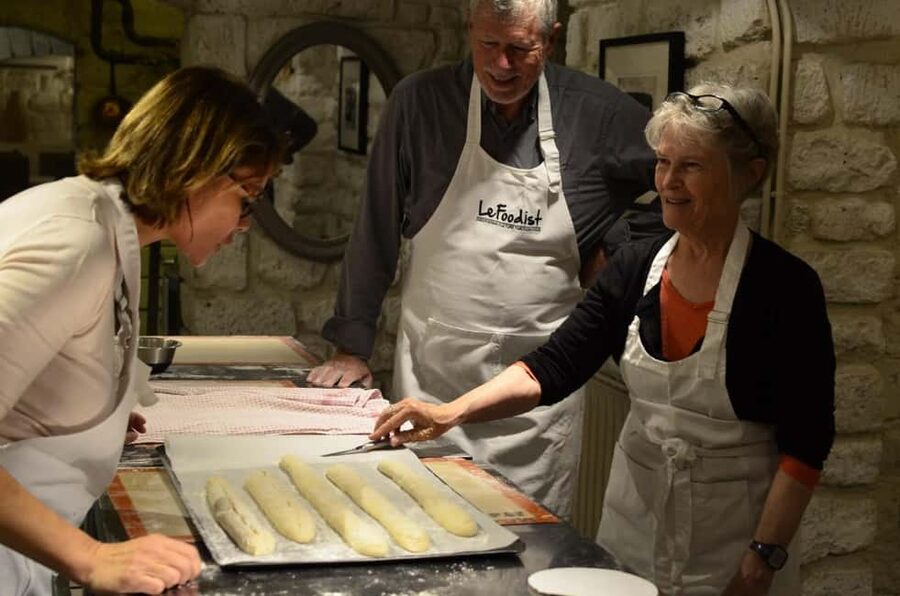
Shaped dough needs another rest and proof before it goes into the oven. This is also the stage when you sign the bread, an aesthetic detail with a practical role in how the loaf bakes. Your instructor guides you through the process, so you are not expected to know in advance how to prepare each shape.
The timing and handling matter. Bread that has not proofed enough can behave differently from dough that has rested too long, and the final shape influences the finished loaf. You get to connect the earlier work with what comes out of the oven, which is more instructive than seeing a finished baguette appear without explanation.
If you are keen to understand exactly how your own handling affected the result, pay attention to which loaves your pair shaped and signed. The pair-work format can make it harder to trace every loaf back to a single person, so a little attention to that detail helps you get more from the lesson.
Baking, tasting and taking your bread away
The final bake brings together the decisions made throughout the class. Oven temperature, baking time and humidity all affect the result. That is a useful reminder that bread does not stop being a hands-on craft once the dough is shaped. The oven is part of the recipe too.
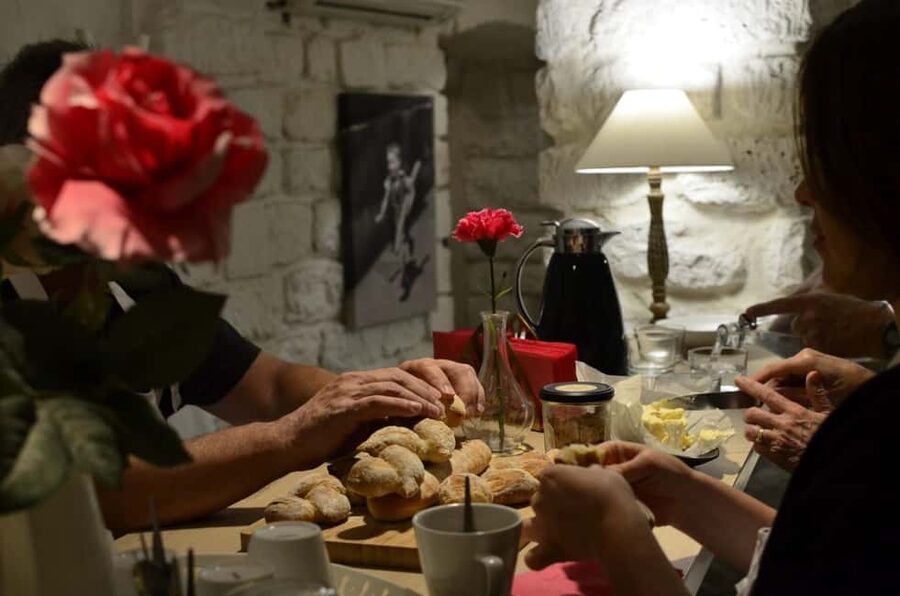
Then comes the best sort of class ending: tasting what you made. The breads can be enjoyed with French cheese, butter or jam. There is also the idea of turning bread into pain perdu, a satisfying way to use bread in another dish. In one class, participants sat down together to eat their breads with butter, cheese and wine, making the finish feel like a shared meal rather than a quick handoff.
You leave with a bag of your creations. That is a real plus if you want something to enjoy later in the day, perhaps on a picnic, or to share with friends. Do remember that fresh bread is bulky and best carried with some care. The class does not specify how much each person takes home, so think of the bag as a welcome bonus, not a guaranteed number of loaves.
More tours and experiences in Paris:
- Paris: 1-Hour Seine Cruise departing from the Eiffel Tower
★ 4.4 · 77,472 reviews - Paris: Louvre Museum Timed-Entrance Ticket
★ 4.6 · 71,977 reviews - Disneyland® Paris 1-Day Ticket
★ 4.6 · 49,412 reviews - Paris: Versailles Palace and Gardens Full Access Ticket
★ 4.6 · 41,579 reviews
A small group, with shared hands-on time
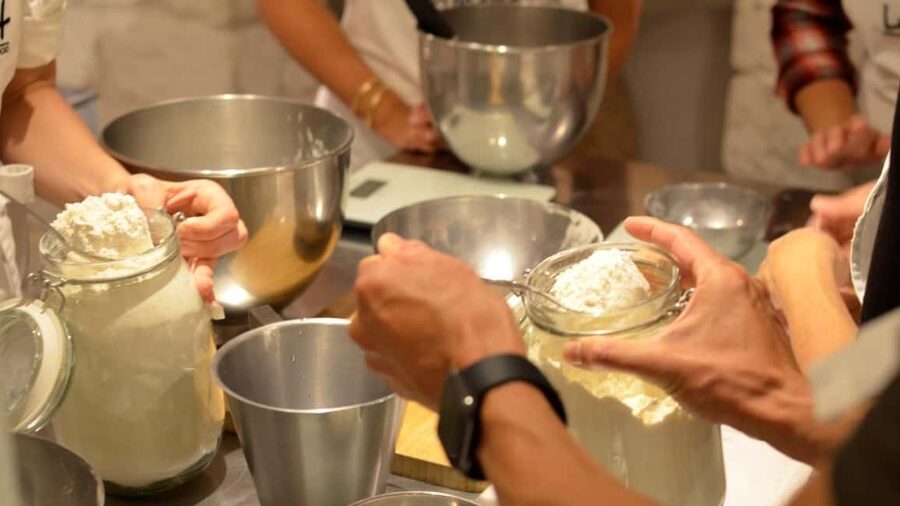
The maximum group size is eight, and participants work in pairs. That is small enough to keep the room from feeling like a large public demonstration, but it does not mean every person has a separate workstation or owns every step of every loaf. The distinction matters if you are booking mainly to practice independently.
The instructor teaches in English. Florence is one instructor associated with the class and has guided participants through bread-making demonstrations and hands-on work. Your specific instructor may vary, so it is sensible not to book on the assumption that Florence will lead your session.
The format suits people who are happy to learn alongside someone else and compare techniques. If you are a keen home baker who wants detailed, individual feedback, you may want to make your aims clear at the start. Ask to handle ingredient weighing or mixing when possible, and follow your pair’s dough through each stage.
Is $175 fair for a bread class in Paris?
At $175 per person, this is a substantial cooking-class purchase. The value depends on what you want from it. If your goal is a cheap snack or a quick introduction to French food, this is more time and money than you need to spend. If you want a four-hour lesson in several stages of bread-making, the price covers a longer, more involved activity than a short tasting.
You are paying for instruction, the opportunity to make breads from scratch, and the final food to taste and take away. The class’s small group limit is part of the appeal, though paired work means the instruction is not the same as having a private teacher. Consider the cost worthwhile if you expect to use the techniques at home or simply enjoy spending part of a Paris day making and eating bread.
There is no need to be an expert baker to take part. The process starts with basic ingredients and builds step by step. But if you already bake often, think about whether you want a guided overview or close attention to your individual technique. The class offers the former clearly; the amount of the latter can depend on how the paired work unfolds.
Who should book this Paris bread-making class?
I’d recommend it to curious cooks who want to understand why baguette dough needs a different touch from brioche, and to visitors who like an activity that ends with something edible to carry away. It also works well for friends or couples who do not mind sharing dough and tools with a partner.
It is less suited to anyone who wants a private lesson, a guaranteed one-person-per-loaf setup, or a short activity squeezed between other plans. Four hours is a meaningful block of the day, and the class is about process as much as the finished bread. If you enjoy slow, practical learning, that time is the point.
Booking terms offer some flexibility: you can reserve without paying immediately, and cancellation up to 24 hours in advance qualifies for a full refund. Check available starting times when choosing a date. The listed language is English, and the group is limited to eight participants.
Should you book it?
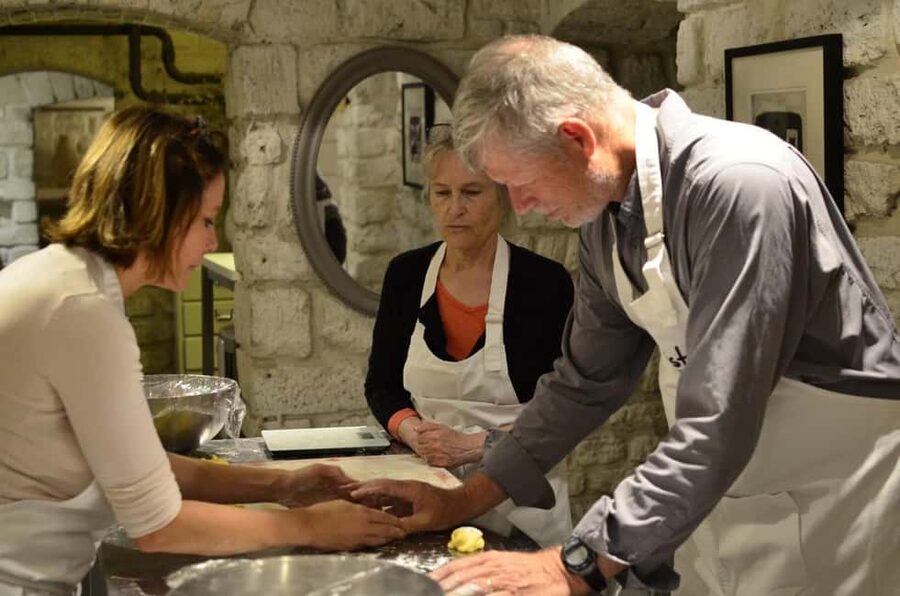
Book this class if you want more than a bakery visit: you want to handle dough, learn the stages of proofing and shaping, and sit down to taste the results. Its strongest appeal is the complete, four-hour process in a small group, followed by bread to take away. Go in expecting paired work, not a private baking session, and the $175 price is easier to justify.
If you would rather spend the day seeing Paris than working in a kitchen, choose a shorter food stop instead. But if flour on your hands and a bag of fresh bread sound like a good use of a Paris afternoon, this class makes a satisfying change of pace.
FAQ
How long is the class?
The class lasts four hours. Available starting times depend on the date you choose.
How much does the class cost?
The listed price is $175 per person.
What language is the class taught in?
The instructor teaches in English.
How many people can join?
The group is limited to eight participants.
Do participants work alone?
Participants work in pairs, so you should expect to share some of the hands-on work.
What breads can I make?
The class focuses on baguettes and French breads. Baguettes, brioche and ciabatta have been made during a class, though the exact selection may vary.
What stages of bread-making does the class cover?
You measure and mix dough, proof it, deflate and shape it, proof it again, then bake it.
Can I eat the bread I make?
Yes. The class includes time to taste the breads, which can be served with items such as cheese, butter or jam.
Can I take bread home?
Yes. You leave with a bag of your creations to share or enjoy later.
Can I cancel for a refund?
You can cancel up to 24 hours in advance for a full refund.
Recently reviewed in Paris
- Private Paris WWII History Tour: Occupation & Resistance★ 4.4 · 3 reviews
- Private Highlights of Paris Bike Tour★ 4.9 · 12 reviews
- Paris: Louvre Museum Highlights Small-Group Guided Tour★ 4.8 · 157 reviews
- Private Orsay Museum Tour: 2h Highlights w/ Monet & Van Gogh★ 5.0 · 4 reviews
- Private Mont Saint-Michel trip from Paris Calvados tasting★ 5.0 · 4 reviews
- Highlights of Paris: Private 6-Hour Vintage 2CV Tour★ 3.9 · 19 reviews
- Private Giverny Monet’s House & Gardens Trip from Paris★ 4.9 · 11 reviews
- Private Guided Tour, The Louvre by night !★ 4.2 · 30 reviews
Paris Tours, compared.

1-Hour Seine Cruise departing from the Eiffel Tower
Read our review →


Versailles Palace and Gardens Full Access Ticket
Read our review →

Eiffel Tower Entry Ticket with Optional Summit Access
Read our review →Browse the lists this tour appears in