
Reviewed · PARIS COOKING CLASSES
Paris: Baking Insider Experience with a Professional Baker
In a real Paris bakery, flour on your hands is part of the lesson. You’ll compare breads, shape a baguette, work with croissant dough, and hear how French baking traditions meet the demands of a working shop.
I like that you make more than one kind of baked good, and that a small group gives the baker room to offer personal guidance. I also like the chance to see how a neighborhood bakery works, not just follow a recipe in a classroom.
One thing to consider: the class involves standing, and the bakery is reached by 15 steps with no elevator. You may also spend more time shaping and learning than making a full pastry from scratch.
- A working bakery, not a demonstration kitchen: You get a glimpse of how a Paris boulangerie operates while learning its techniques.
- Several French staples in two hours: Expect baguette shaping, croissant dough, and, in some sessions, financiers.
- A group capped at eight: The small size gives the guide time to help everyone take part.
- Tastings make the lesson tangible: Try sweet and savory flavors as you learn how ingredients affect the finished bake.
- A family activity with limits: Children aged five and up can participate, but children under five cannot join the hands-on baking.
A Paris bakery becomes your classroom
The appeal here is simple: you learn French baking inside a Paris bakery, with an expert explaining techniques as you try them. This is not a broad food tour or a pastry counter tasting. You handle dough, ask questions, and get a closer look at the work behind familiar French staples.
The class lasts two hours, which is enough time to try several techniques without turning the activity into a full-day commitment. It is also a useful change of pace from museums and monuments. You leave with a better sense of what goes into a baguette or croissant, rather than only another photograph of one.
The booking can be at either of two traditional Paris bakeries, depending on the option you choose. The exact meeting point may vary, so check the location details for your selected session before setting out. The activity ends back at its meeting point.
The group limit is eight, and the guide speaks English. That small format matters in a bakery, where space and attention are limited. You should have a chance to try the techniques yourself, rather than watch a baker work from the back of a large crowd.
Comparing baguettes before shaping your own
The bread lesson starts with the basics: ingredients and differences in flour, yeast, and sourdough. You’ll also learn that baguettes are not all alike. In one reported session, the group tasted two types and discussed what distinguished them before rolling their own.
That comparison is more useful than it may sound. A baguette is a daily staple in France, but its crust, crumb, and flavor depend on how it is made. Learning what to notice gives you a better eye for choosing bread later in your trip, and a deeper appreciation of the work behind a good loaf.
Then comes the hands-on part. You’ll learn how to shape baguette dough, with the guide showing you how to handle it. Don’t expect to master professional technique in a few minutes. The goal is to try the movement, understand why it matters, and see how the baker’s work differs from a casual home attempt.
Some sessions include baking the bread you shape, with the finished loaves available to take away. That is a satisfying payoff, but the exact selection of bakes may vary by bakery and class. If bringing home your own bread matters to you, ask what is included when you book.
More cooking classes in Paris:
- Paris Cooking Class and Lunch with Wine plus Market Visit Option
★ 5.0 · 1,024 reviews - Paris Croissant Small-Group Baking Class with a Chef
★ 5.0 · 910 reviews - Paris: Macaron Class at Galeries Lafayette
★ 4.3 · 905 reviews
Croissant dough, layers, and a bit of patience
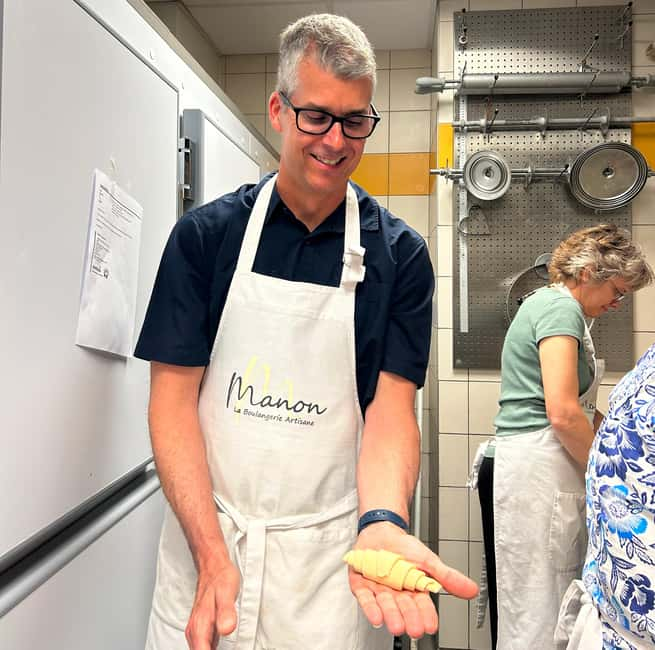
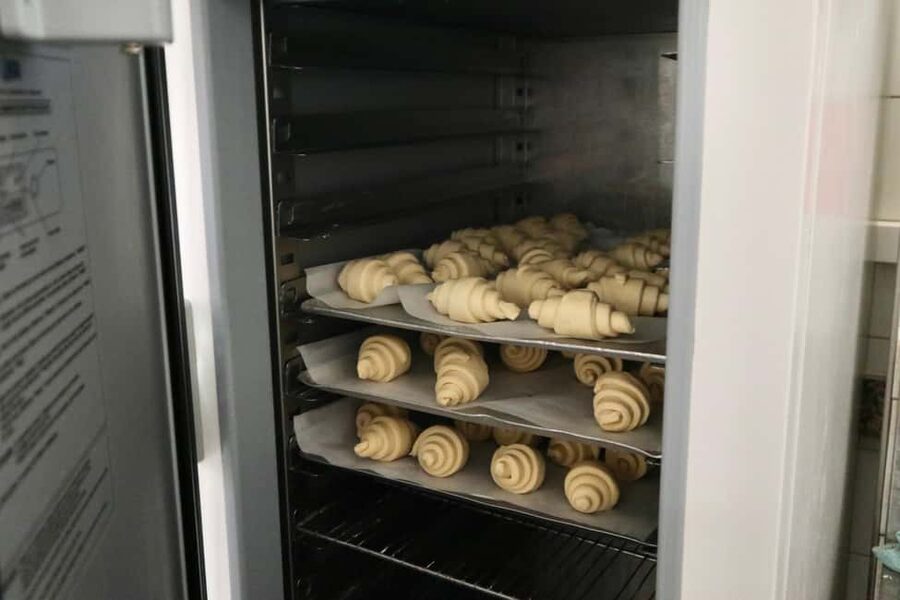
Croissants are the obvious star for many people, but the class is not simply a recipe lesson. You’ll handle croissant dough and learn about lamination, the process of layering dough and butter to create the pastry’s flaky structure. The baker can explain how the dough is made and why those layers matter.
You may roll or shape the croissant dough rather than complete every stage of production. One session participant, for example, shaped croissants but did not taste those particular pastries afterward. That is a useful expectation to set: this is a short introduction to bakery methods, not a promise that every item you touch will be finished and served on the spot.
Even so, the exercise helps explain why a proper croissant takes skill and time. You begin to see that puff and flake are not lucky accidents. They come from careful handling and technique, and a quick turn at the workbench gives you a new appreciation for the finished pastry in a Paris shop window.
Financiers and other tastes along the way
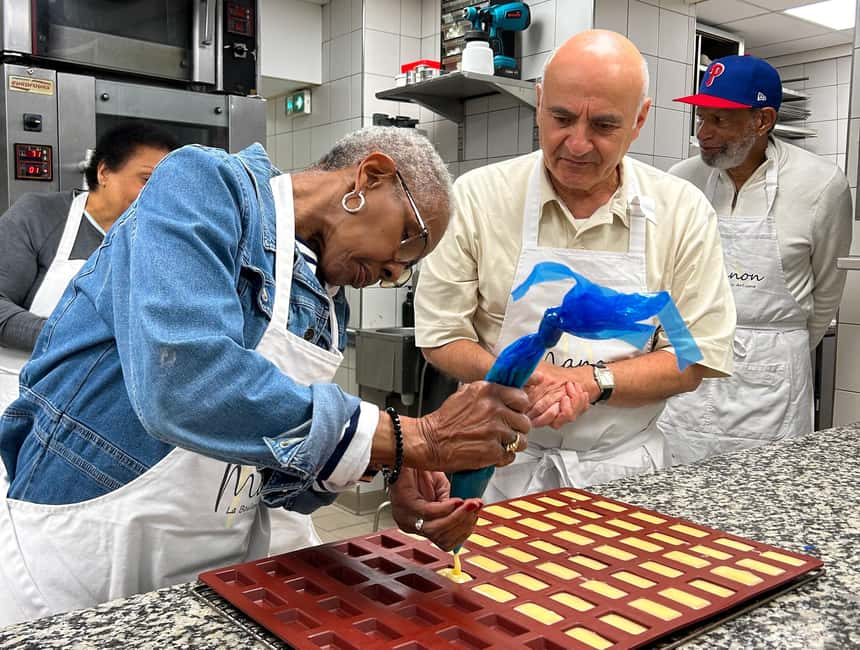
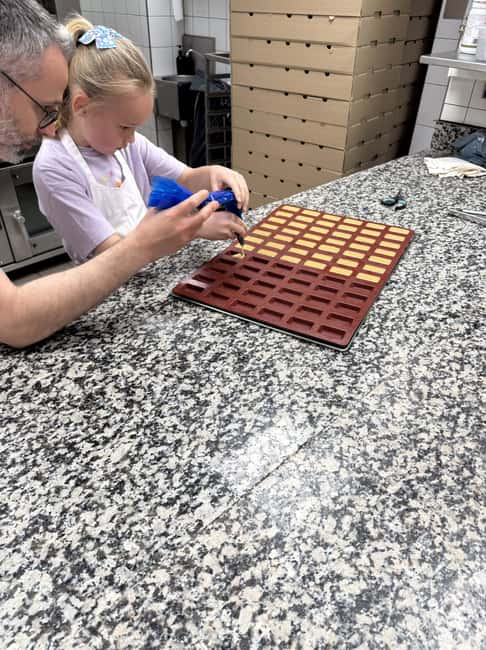
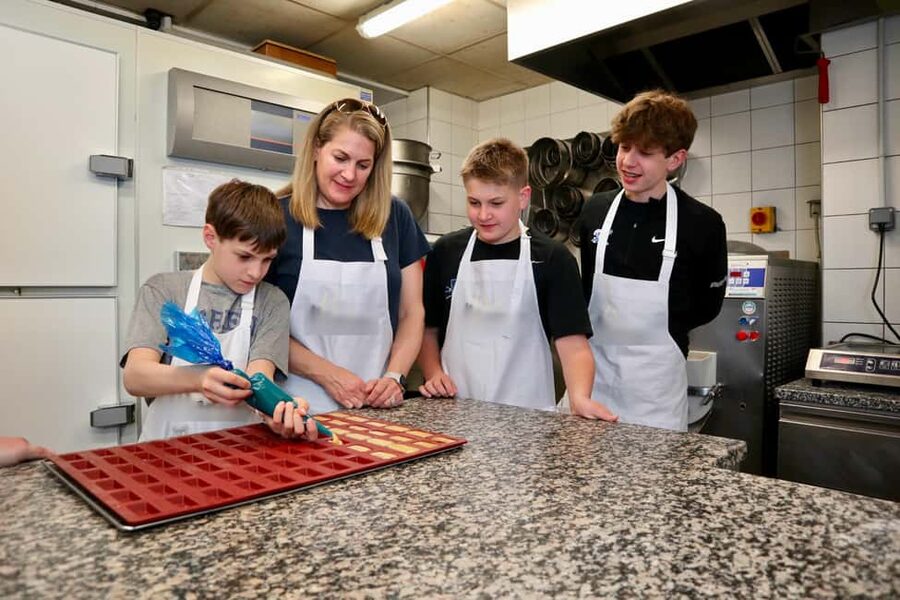
Some classes add financiers, small French cakes, to the bread and croissant work. One group shaped and baked them as well as baguettes and croissants. The exact mix of activities may differ, but the aim is to introduce you to several classic baked goods rather than spend the whole session on one recipe.
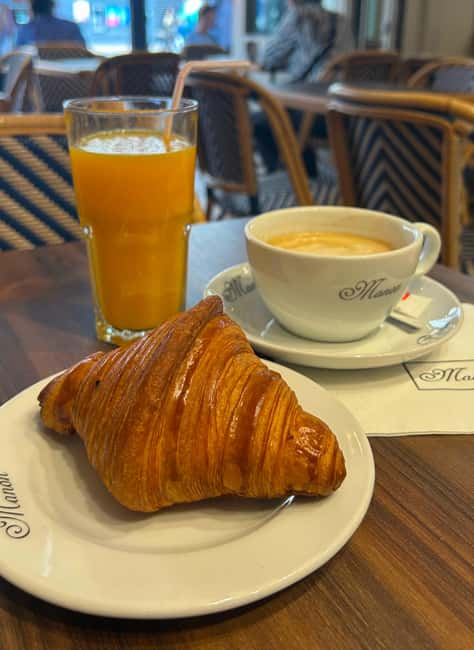
Tastings are part of the lesson. You might start with a pastry and a drink, or sample sweet and savory items as the class moves along. The food helps make the explanations practical: you can connect a flavor or texture to the ingredients and method behind it.
Come hungry. The activity includes snacks, and some participants have taken away bread and pastries they made. Still, the amount and type of food may depend on the session, so think of tasting as part of the class, not a full meal. It is sensible to leave room for lunch afterward, especially if you plan to keep exploring Paris bakeries.
The guide makes the small group count
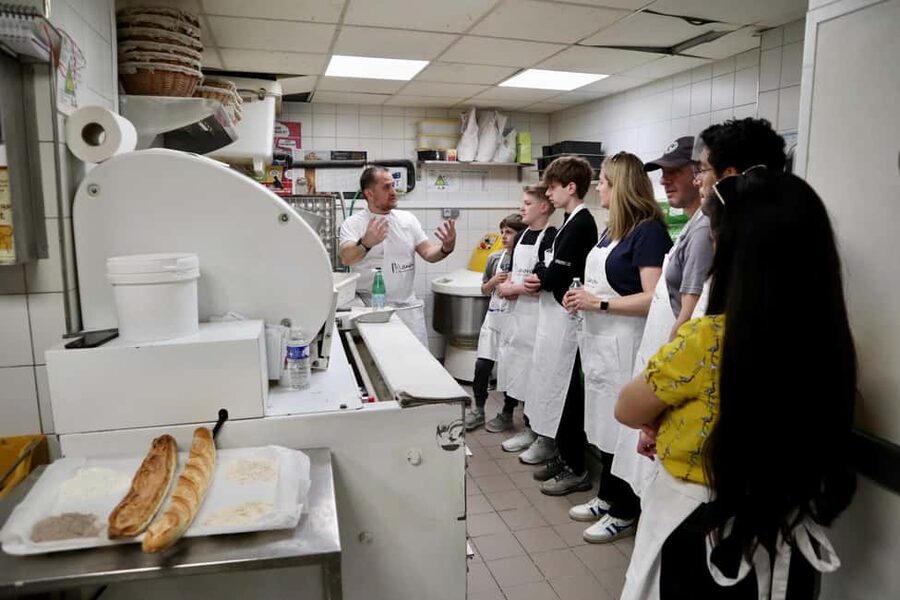
The baker’s explanations are central to the experience. Guides named Pierre, Jess, Martin, Candice, Rachel, Igor, and David have led sessions. Names and guides depend on the date and booking, so you cannot count on a particular person, but the teaching style described across sessions is warm, lively, and suited to people with different levels of baking experience.
Pierre has led groups at Chez Manon and in Le Marais. David has guided a class at an organic bakery where the group met the owner and some of the bakers, and learned that the shop makes its products in-house. These details show what can make the setting special: you are not only learning technique, but seeing how a real bakery fits into its neighborhood and runs its daily work.
The class also touches on the stories and history behind French baked goods, along with practical distinctions such as flour types and bakery standards. You will not leave as a professional baker, but you should have a better vocabulary for asking questions and noticing what is in front of you.
A personal touch is especially valuable when shaping dough. A guide can show you where to place your hands, correct a small mistake, or make sure everyone gets a turn. That is one reason the eight-person cap feels more meaningful here than it might on a walking tour.
More tours and experiences in Paris:
- Paris: 1-Hour Seine Cruise departing from the Eiffel Tower
★ 4.4 · 77,472 reviews - Paris: Louvre Museum Timed-Entrance Ticket
★ 4.6 · 71,977 reviews - Disneyland® Paris 1-Day Ticket
★ 4.6 · 49,412 reviews - Paris: Versailles Palace and Gardens Full Access Ticket
★ 4.6 · 41,579 reviews
What two hours can and cannot teach you
This is a sampler, not a complete baking course. In a short session, you can try several stages, learn a few core principles, and hear why technique affects the result. You will not have time to make every dough from scratch, wait through every rise, or bake a full range of pastries from start to finish.
That trade-off works well for most visitors. You get variety, context, and a practical activity without giving up half a day in Paris. If you are a keen home baker hoping for precise recipes and enough time to master each process, you may want to ask about the class content before booking. One participant left wishing for more time and recipes, which captures the main limitation neatly.
The class may also be less about producing perfect pastries than about understanding the process. Your baguette may not look shop-ready. That is part of the fun, and a reminder that good bread takes practice.
Who will enjoy this class most
I’d recommend the experience to curious eaters, home cooks, and anyone who wants a more hands-on look at French food culture. It is also a good choice for families with older children. Children aged nine and eleven have taken part and enjoyed the activity, and guides have made a point of including younger participants.
The class can work across generations, too. One family group included a nine-year-old and a 60-year-old, with the guide helping everyone participate. For teenagers and older children, the real bakery setting and practical tasks may hold attention better than a long lecture.
Children under five are free, but they cannot take part in the hands-on baking for safety reasons. The activity is listed as unsuitable for children under five, so do not assume a young child can join the workbench simply because admission is free.
This is not suitable for wheelchair users. You need to stand for an extended period, and there are 15 steps to the bakery on the second floor with no elevator. If you have long hair, bring a tie or clip to keep it back while working near food.
Is $108 a fair price?
At $108 per person, this is a premium two-hour activity. The price makes the most sense if you value a small group, expert instruction, and access to a working bakery. You are paying for more than snacks: the baker’s time, the chance to handle the dough, and an inside look at techniques you would otherwise see only from the other side of the counter.
It is less compelling if your main goal is a full meal or a large quantity of takeaway food. Snacks are included, and some sessions produce items you can take away, but the exact amount should not be assumed. You might find more value in the class if you are interested in baking itself, rather than simply looking for a pastry tasting.
Compared with a standard cooking class, the format also offers a distinct setting. You are learning in a real Paris bakery, and in some sessions you may meet bakery staff or see more of the operation. That can make the price worthwhile for a traveler who wants a practical, local-feeling activity and is happy to pay for a small-group lesson.
A few practical points before booking
The class runs for two hours, but starting times depend on availability. Check the exact meeting point for your chosen option, since it can vary. Arrive with enough time to find it, especially if you are unfamiliar with the neighborhood.
Wear comfortable shoes and be ready to stand. If you have long hair, bring something to tie it back. And because baking is hands-on, arrive ready to take part rather than expecting a seated demonstration.
The activity offers free cancellation up to 24 hours in advance, and you can reserve now and pay later. Those terms are useful if your Paris plans are still taking shape, but the important decision is whether the physical setup and short, practical format suit you.
Should you book this Paris baking class?
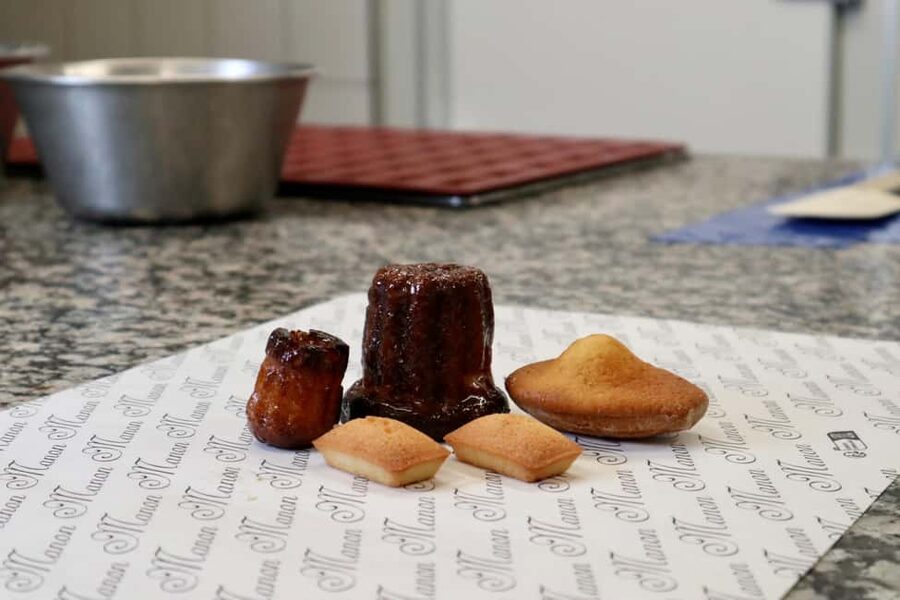
Book it if you want to understand French bread and pastry by handling the dough yourself, and if a real bakery sounds more appealing than a polished cooking studio. The small group, range of techniques, and guides such as Pierre, Jess, Martin, and David make this a strong choice for curious adults and families with children old enough to participate.
Skip it if you need step-free access, cannot stand for a while, or want a full recipe course with plenty of time to make every item from start to finish. For most food-minded visitors, though, two hours is a good exchange: you get flour on your hands, a few useful lessons, and a clearer idea of why a Paris baguette or croissant takes more craft than it lets on.
FAQ
How long does the baking class last?
The class lasts two hours. Starting times vary, so check availability for your chosen date.
Which baked goods will I make?
You can expect to work with baguette and croissant dough. Some sessions also include financiers. The exact activities may vary by bakery and session.
Is the class taught in English?
Yes. The live guide speaks English.
How many people are in each group?
The group is limited to eight participants.
Can children take part?
Children aged five and older can participate. Children under five are free of charge but cannot join the hands-on baking for safety reasons.
Is the bakery wheelchair accessible?
No. The activity is not suitable for wheelchair users. The bakery is reached by 15 steps to the second floor, with no elevator, and participants need to stand for an extended period.
Recently reviewed in Paris
- Private Paris WWII History Tour: Occupation & Resistance★ 4.4 · 3 reviews
- Private Highlights of Paris Bike Tour★ 4.9 · 12 reviews
- Paris: Louvre Museum Highlights Small-Group Guided Tour★ 4.8 · 157 reviews
- Private Orsay Museum Tour: 2h Highlights w/ Monet & Van Gogh★ 5.0 · 4 reviews
- Private Mont Saint-Michel trip from Paris Calvados tasting★ 5.0 · 4 reviews
- Private Giverny Monet’s House & Gardens Trip from Paris★ 4.9 · 11 reviews
- Private Guided Tour, The Louvre by night !★ 4.2 · 30 reviews
- Highlights of Paris: Private 6-Hour Vintage 2CV Tour★ 3.9 · 19 reviews
Paris Cooking Classes, compared.
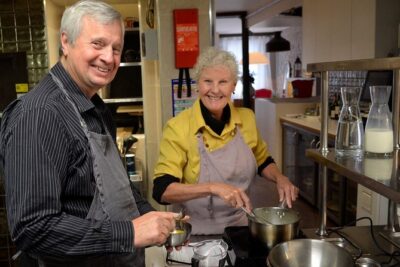
Paris Cooking Class and Lunch with Wine plus Market Visit Option
Read our review →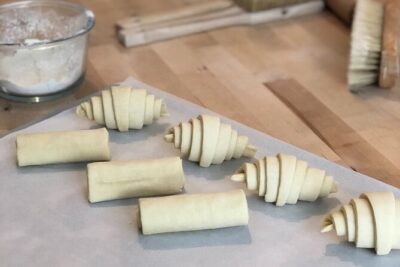
Paris Croissant Small-Group Baking Class with a Chef
Read our review →
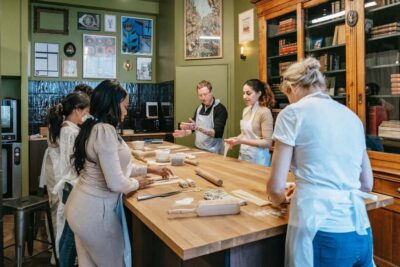
Paris Cooking Class: Learn How to Make Macarons
Read our review →
A Morning in Paris Food Tour: Croissants, Baguettes & Chocolate
Read our review →
Paris Evening Cooking Class French Dinner and Market Visit Option
Read our review →Browse the lists this tour appears in