
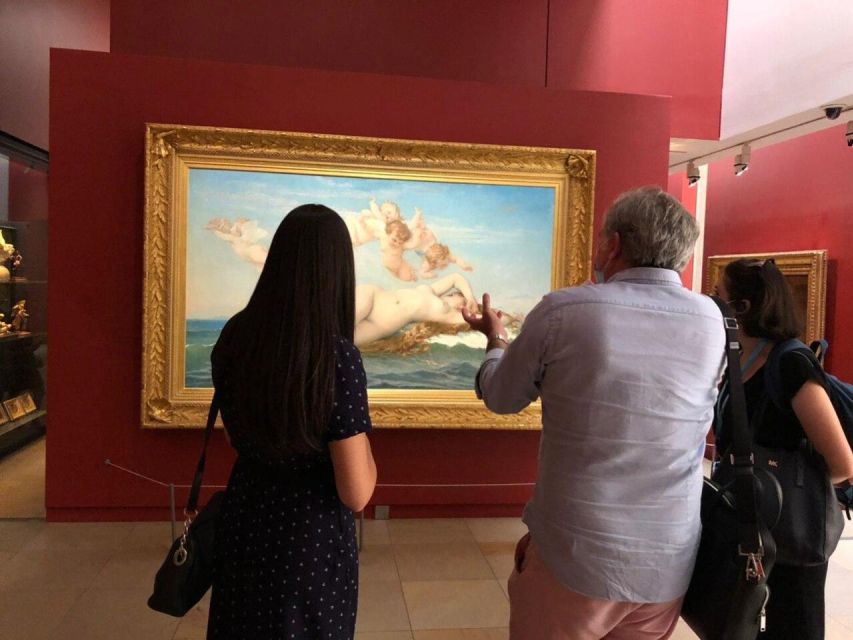
Reviewed · MUSÉE D'ORSAY TOURS
Musée d’Orsay: Impressionists with skip-the-line ticket
Musée d’Orsay is an art museum with a railway station at its heart. In two hours, this small-group tour connects the building’s 19th-century design with paintings by Monet, Renoir, Degas, Van Gogh, and other major artists. I like the mix of art and architecture, and the chance to understand how movements such as realism and Impressionism fit into a changing century.
I also like the group limit of six, which gives you room to follow a guide’s explanations and ask questions. One consideration: two hours is a brisk introduction, not time to linger over every gallery, and the $104 price is a serious spend for a short visit. The tour is not suitable for wheelchair users.
At a glance

- A former railway station: The museum building was built as a station for electric trains and became a museum in 1986.
- Small group: No more than six participants, with a licensed guide.
- A broad art tour: Expect Impressionism alongside realism, symbolism, sculpture, photography, and other 19th-century art.
- Major artists: The planned highlights include Monet, Manet, Renoir, Degas, Cézanne, Van Gogh, Gauguin, Millet, Courbet, and Rodin.
- Skip-the-line entry: Admission and a separate entrance are included, along with headsets.
- A two-hour sampler: The tour moves across several themes and works, so it suits a first visit more than a slow, self-directed study.
The station is part of the visit
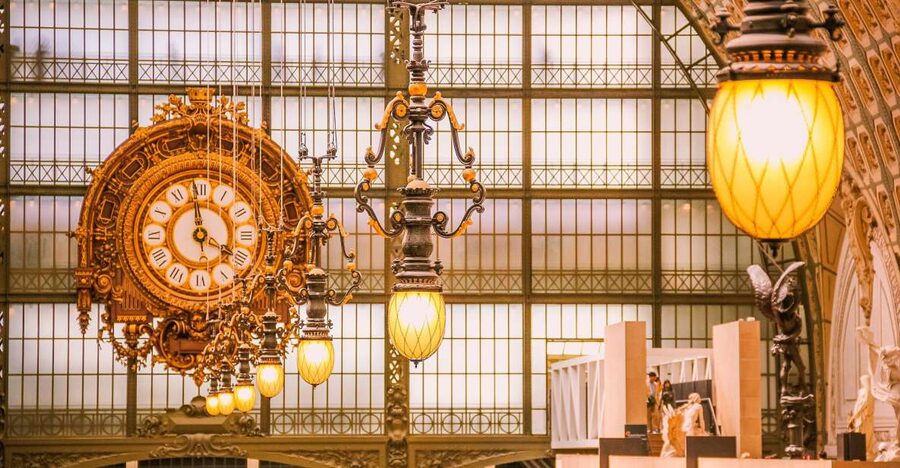
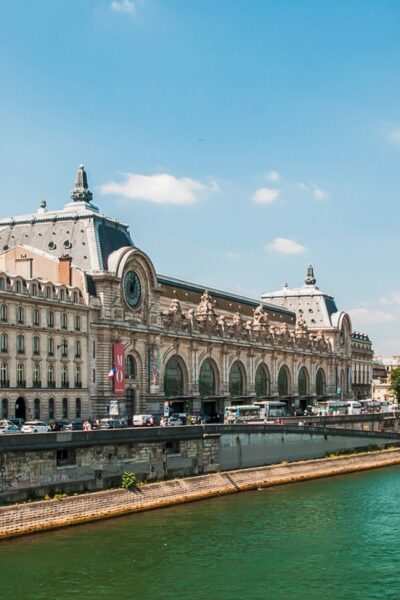
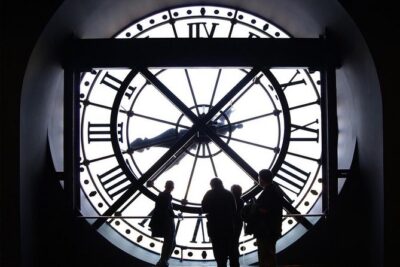
The first thing to notice at Musée d’Orsay is the building itself. Before it held paintings, it served as a railway station for electric trains in Paris. The station was transformed into a museum in 1986, making the architecture more than a grand setting: it is one of the tour’s main subjects.
That story gives the visit a useful frame. The 19th century brought fast shifts in technology, city life, and taste, and the station helps make those changes visible. Rather than treating art as a series of isolated masterpieces, a guide can connect it to the era that produced it.
You can expect the tour to consider the station alongside other examples of 19th-century design, including the Palais Garnier opera house and the Parisian quarter around it. These are discussed as architecture and urbanism, not as additional stops on a walking route. That distinction matters: the experience takes place inside the museum.
More Orsay visits in Paris:
- Paris: Orsay Museum Entry Ticket
★ 4.7 · 25,647 reviews - Paris: Orsay Museum Entry Ticket and Digital Audio Guide App
★ 4.4 · 3,170 reviews - Paris in a Day: Louvre or Orsay, Eiffel Tower, City Walk & Cruise
★ 5.0 · 1,956 reviews
A guided route through a crowded century
The tour’s central strength is its range. Neoclassicism, Neo-Gothic, Romanticism, eclecticism, Arts & Crafts, academic painting, realism, symbolism, and Impressionism all developed or found expression during the 19th century. In two hours, you will not get a full lesson in every movement, but a guide can show you how varied the period was and point out contrasts worth noticing.
I like this approach for anyone who knows a few famous paintings but wants a clearer sense of what came before and alongside them. Impressionism is the headline, yet the wider context keeps it from feeling like a single-style parade. The guide’s job is to help you see why artists made different choices, not simply to name the pictures.
The tour includes headsets, a practical help in a large museum where visitors and conversation can make it hard to hear. The small group also helps: with a maximum of six people, the guide can speak to the group without needing to compete with a big crowd. You still need to keep pace, though. Two hours can cover a lot of ground.
Impressionist paintings, beyond the familiar names
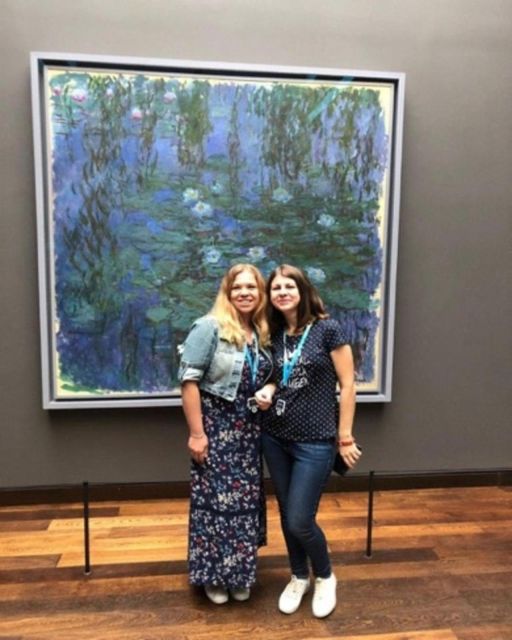
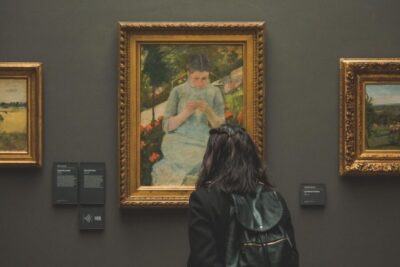
Works by Monet, Manet, and Renoir are among the listed highlights. These paintings are a good place to look at the Impressionists’ interest in changing light, modern subjects, and the experience of seeing a scene in a particular moment. A guide can help you look past the familiar names and notice how each artist handles a subject differently.
That context is useful if Impressionism is the main reason you booked. Rather than making the tour a list of famous canvases, expect the guide to explain how the movement fits into the broader story of 19th-century art. You will hear about other artists and styles, too, so the focus is not exclusively on Impressionism.
The route also includes Degas’s ballet dancers. They offer a different way into the period: instead of focusing only on landscapes or outdoor light, they bring the viewer close to the world of performance and movement. The guide can make the connection between subject and technique clearer, especially if you are not used to studying paintings in a museum setting.
Cézanne, Van Gogh, and Gauguin
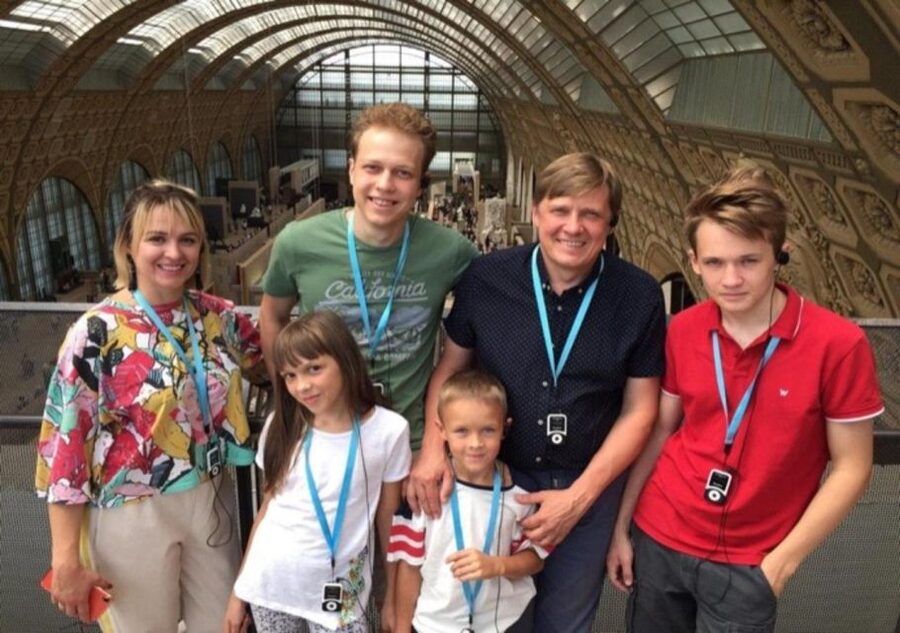
Cézanne’s still lifes are another planned stop. Still life can sound quiet beside the fame of Impressionist landscapes, but it offers a chance to notice how an artist builds a picture through shape, color, and arrangement. The guide’s explanations can make this kind of close looking easier, especially when you have only a short time in the gallery.
The tour also explores the artistic concurrence between Van Gogh and Gauguin. This is a chance to consider two distinct approaches within the period, rather than treating either artist as a self-contained story. The details supplied for the tour do not promise a particular painting or a set narrative, so go in expecting comparison and context rather than a fixed sequence of works.
Past guides named Sacha, Deli, and Maria have been praised for clear English, enthusiasm, and lively explanations. Those names are useful to know, but they do not guarantee who will lead your departure. The consistent point is the value of an engaging guide: an art museum can be much easier to read when someone gives you a few strong clues about what you are seeing.
More skip-the-line entries in Paris:
- Versailles: Skip-the-Line Tour of Palace with Gardens Access
★ 4.7 · 9,778 reviews - Versailles: Skip-the-Line Guided Palace Tour and Full Access
★ 4.6 · 5,214 reviews - Louvre Museum: Skip-the-Line Small Group Guided Tour
★ 4.6 · 3,960 reviews - From Paris: Versailles Skip-the-Line Tour & Gardens Access
★ 4.7 · 3,011 reviews
Realism, sculpture, and a work that still provokes
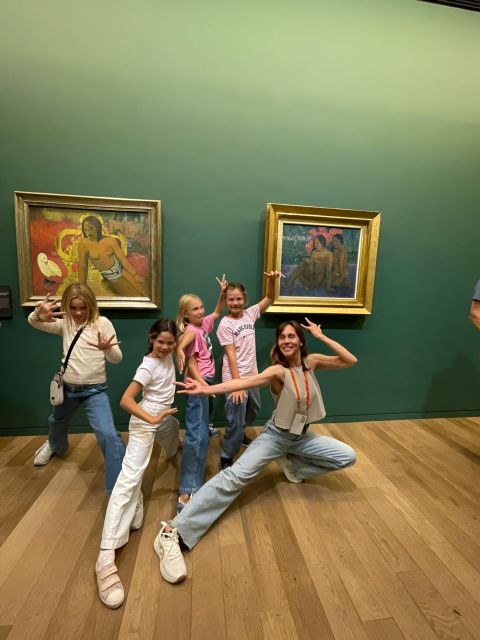
The tour’s scope extends beyond Impressionism to realist artists such as Millet and Courbet, as well as sculpture by Rodin. This range helps explain why the museum is not simply a home for one movement. The works reflect different ways of representing people and the world around them.
Courbet’s The Origin of the World is one of the tour’s more provocative works. Its inclusion makes clear that 19th-century art was not only about formal beauty or polite subjects. If you prefer a museum visit that does not shy away from difficult or challenging material, this is a notable part of the route.
Rodin’s sculptures bring a change of scale and medium. Moving from paintings to sculpture can refresh your attention during a compact tour, and it gives the guide a chance to show how artists approached form in three dimensions. The tour does not specify which sculptures you will see, so treat Rodin as a general highlight rather than a promise of a particular piece.
Photography, film, and a changing world
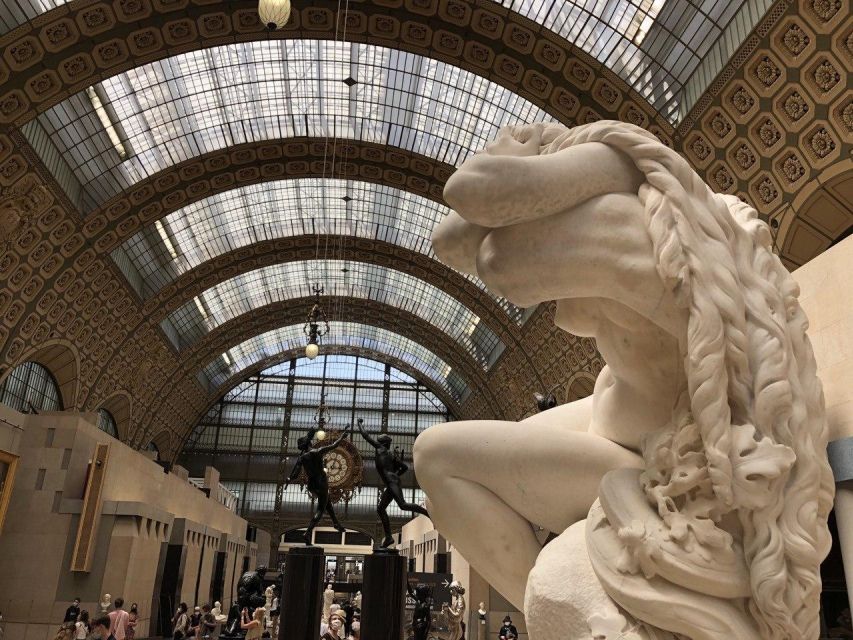
The 19th century was also a period of fast industrial and technical change. The tour connects art to that change through early photography and the beginnings of film, including the work of the Lumière brothers. These topics add a useful counterpoint to painting: artists were not the only people changing how the world could be recorded and viewed.
The museum also includes the first model of the Statue of Liberty. It is an unexpected highlight in a tour centered on 19th-century art, and a reminder that the century’s creative output ranged well beyond painting. You will see how the museum can tell a story about art, invention, and public life in the same visit.
This range is a reason to choose the guided tour, but it is also why you should keep expectations realistic. Two hours gives the guide time to introduce several themes, not to examine every object in depth. If early photography or sculpture is a personal passion, you may want to return afterward and give those sections more time.
What the two-hour format does well
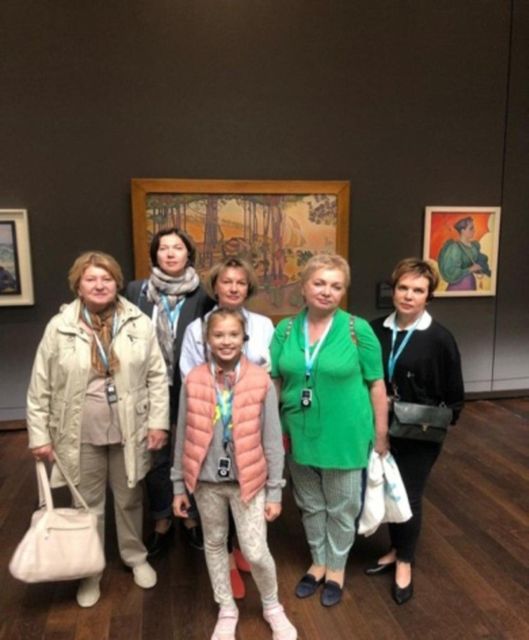
A two-hour tour is a useful first pass through a large collection. You get a guided route, a broad sense of the period, and explanations that can help you decide what you want to see again. One visitor described studying three floors with a guide in a day, but that should not be read as a guarantee that this two-hour tour will cover every floor or every major work.
The tight schedule is also the main trade-off. You may find that a painting catches your attention just as the group is moving on. If you enjoy long stretches with a single work, a guided visit might feel brisk. You can balance that by staying afterward to revisit favorites, though the tour itself is listed as two hours.
For a first visit, I think the format makes sense. A strong guide can quickly give you a map of the century, point out major works, and help you avoid wandering without a plan. For a return visit, especially if you already know the collection well, you may prefer to explore independently at your own pace.
Is $104 good value?
At $104 per person, this is not a low-cost museum visit. The fee includes admission, skip-the-line entry through a separate entrance, a licensed guide, and headsets. The group cap of six adds value if you want a more personal explanation than a large group tour can usually provide.
The price is easiest to justify if you value interpretation. You are paying not just to enter the museum, but for someone to link its station architecture with the art, and to make room for topics from Impressionism to photography and film. Past participants have singled out the guides’ enthusiasm, strong English, detailed commentary, and ability to make the tour enjoyable. Those qualities matter most when the museum is unfamiliar to you.
If you already have a strong plan and prefer to linger without a schedule, the added guide fee may not be worthwhile. You can still see the collection on your own, but you would miss the structured overview and the small-group conversation. Consider the tour an orientation with substance, rather than a substitute for spending a full day in the museum.
Meeting point and practical details
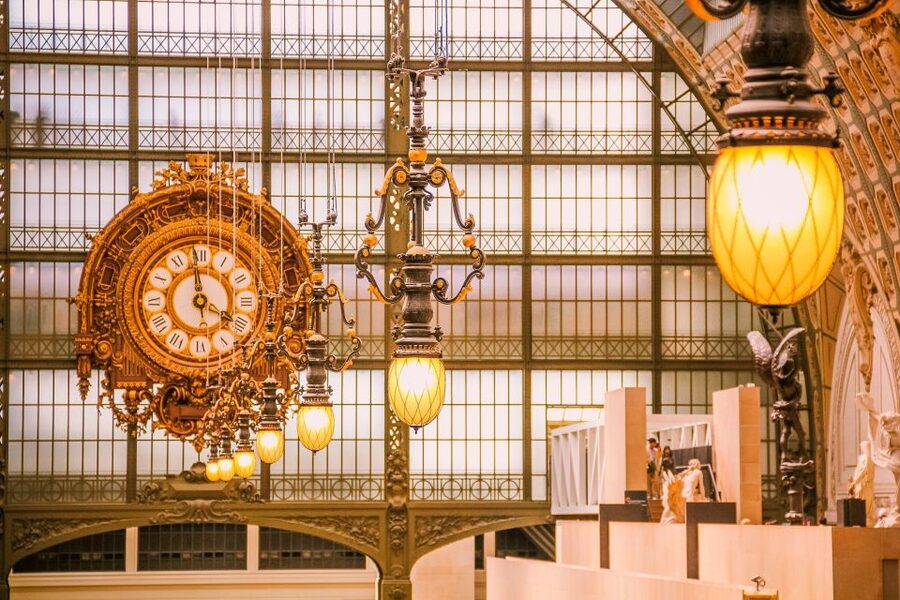
Meet under the statue of an elephant in front of the museum’s main entrance. Look for the guide holding a yellow My Super Tour sign. One practical wrinkle: the elephant statues may be moved, so the usual landmark might not be there on the day. If you cannot spot the meeting point, contact the tour’s headquarters for clarification.
The tour is offered in English and Russian, and the group is limited to six participants. Admission, the guide, skip-the-line entry, and headsets are included. The activity is not suitable for wheelchair users, so this is an important limitation to consider before booking.
The stated price is $104 per person, and the duration is two hours. Starting times depend on availability. Flexible booking is offered, with the option to reserve now and pay later, and you can cancel up to 24 hours in advance for a full refund.
Who should book this tour?
I would choose this tour if it is your first time at Musée d’Orsay, you want help making sense of the 19th century, or Impressionism is a priority but you would like more than a gallery checklist. It is especially suited to people who enjoy hearing how a building, a painting, and a period connect.
It is less suitable if you need wheelchair access, want to spend a long time with each work, or would rather explore without a guide. The small group and headsets help make the visit personal and easy to follow, but the pace remains that of a two-hour overview.
At $104, book it for the guide and the structure, not simply for a quicker entrance. If those are what you value, the combination of art, architecture, and early visual technology makes this a worthwhile introduction to the museum.
FAQ
How long is the tour?
The tour lasts two hours.
What languages are available?
The live guide is available in English and Russian.
How large is the group?
The group is limited to six participants.
What is included in the price?
The price includes a licensed guide, an entrance ticket, skip-the-line entry through a separate entrance, and headsets.
Where is the meeting point?
Meet under the elephant statue in front of the Musée d’Orsay’s main entrance and look for a guide holding a yellow My Super Tour sign. The elephant statues may be moved, so contact the tour’s headquarters if you cannot find the meeting point.
Is the tour suitable for wheelchair users?
No. The tour is not suitable for wheelchair users.
Recently reviewed in Paris
- Private Paris WWII History Tour: Occupation & Resistance★ 4.4 · 3 reviews
- Private Highlights of Paris Bike Tour★ 4.9 · 12 reviews
- Paris: Louvre Museum Highlights Small-Group Guided Tour★ 4.8 · 157 reviews
- Private Orsay Museum Tour: 2h Highlights w/ Monet & Van Gogh★ 5.0 · 4 reviews
- Private Mont Saint-Michel trip from Paris Calvados tasting★ 5.0 · 4 reviews
- Highlights of Paris: Private 6-Hour Vintage 2CV Tour★ 3.9 · 19 reviews
- Private Giverny Monet’s House & Gardens Trip from Paris★ 4.9 · 11 reviews
- Private Guided Tour, The Louvre by night !★ 4.2 · 30 reviews
Musée d'Orsay Tours, compared.
Orsay Museum Entry Ticket and Digital Audio Guide App
Read our review →
Paris in a Day: Louvre or Orsay, Eiffel Tower, City Walk & Cruise
Read our review →
Musée d’Orsay Entry Ticket and Seine River Cruise
Read our review →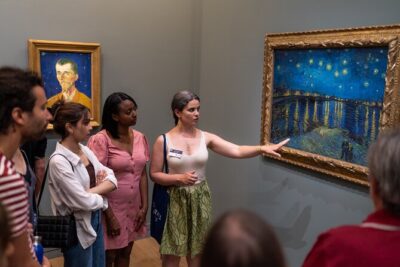
Musée d’Orsay Skip-the-Line Tour with Expert Guide
Read our review →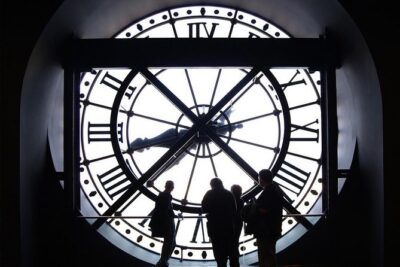
The Musée d’Orsay Guided Tour Orsay Museum Semi-Private 6ppl Max
Read our review →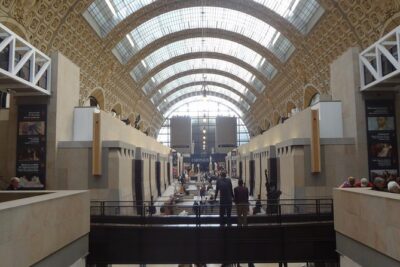
Orsay Museum – Exclusive Guided Tour (Reserved Entry Included)
Read our review →Browse the lists this tour appears in