
Reviewed · MUSÉE D'ORSAY TOURS
Orsay Museum – Exclusive Guided Tour (Reserved Entry Included)
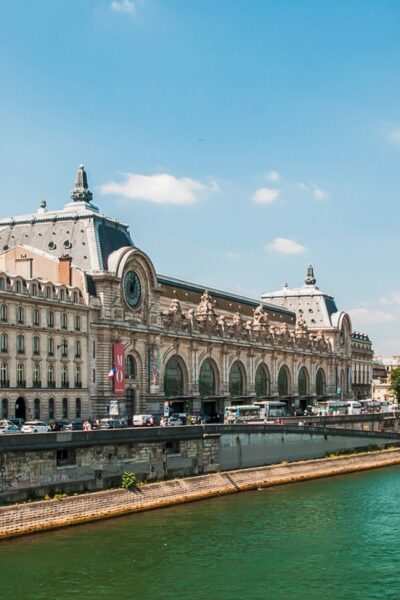
The Musée d’Orsay makes Impressionism easier to understand because its collection shows how the movement took shape, not just what its famous paintings look like. In a former Beaux-Arts train station, you can follow the shift from Millet and Manet to Monet, Renoir, and Van Gogh with a guide to connect the dots.
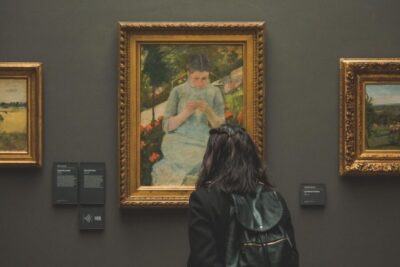
I like the reserved entry, which saves time for the paintings rather than the ticket line, and the focused route through major works such as The Luncheon on the Grass, Dance at Le Moulin de la Galette, and Monet’s poppies. A good guide can also make the art feel less like a parade of famous names and more like a lively argument about what painting could be.
The main consideration is price: at $144.21 per person, this is a substantial spend for a two-to-two-and-a-half-hour visit. Check whether you are booking the private or semi-private option, since that affects the group experience and some listed features.
- The art follows a story: See how artists moved from earlier traditions toward Impressionism and beyond.
- Reserved entry is included: It can spare you the regular ticket queue, though security checks may still cause waits.
- You have time choices: Morning, afternoon, and evening departures make it easier to fit the tour into a Paris day.
- Private and semi-private options differ: Read the selected option carefully before booking.
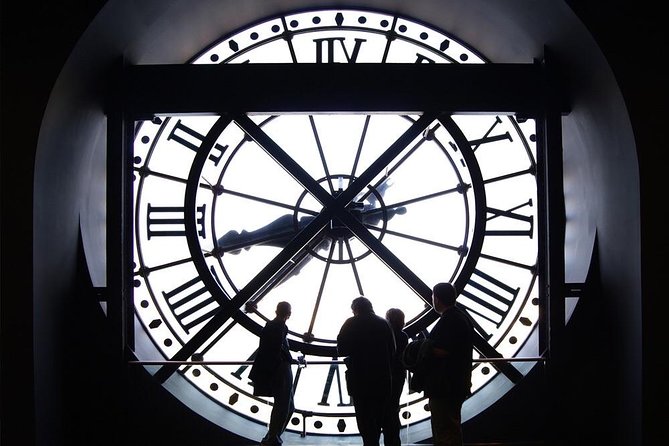
- The museum is part of the show: Its old train-station architecture and grand clock add plenty beyond the paintings.
- Strong guides make the difference: Dina, Christophe, Liliya, and others are praised for clear storytelling and a lively pace.
Why the Musée d’Orsay works so well with a guide
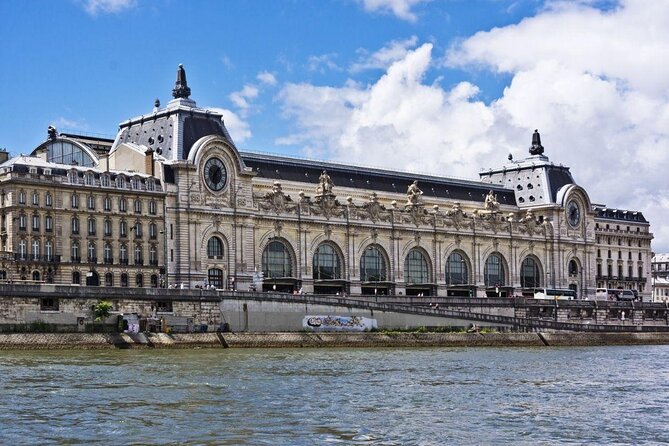
The Musée d’Orsay is a natural partner to the Louvre. The Louvre’s vast sweep can leave you with a long list of masterpieces and little sense of how one era led to another. At Orsay, you can trace a more concentrated story: artists questioned academic rules, painted modern life in new ways, and helped set the stage for Impressionism and Post-Impressionism.
That story matters because the paintings can look deceptively familiar. We have seen images of Monet’s gardens and Van Gogh’s Bedroom in Arles so often that it is easy to treat them as pretty pictures and move on. A guide can point out the choices behind the familiar surface: how a painter handled light, brushwork, composition, or a subject that challenged the expectations of the time.
This tour is built around that context. Rather than trying to cover every room, your guide leads you through major works and explains the people and artistic shifts that connect them. That is a sensible way to meet the museum if you have limited time, or if you want a structure before exploring on your own.
The experience is offered in English, and you can select a private tour or a lower-priced semi-private option. The distinction matters. With a private tour, the guide is exclusively for your group. The semi-private option is not private, and the listed wheelchair-friendly feature does not apply to that option.
From the station hall to the Impressionists
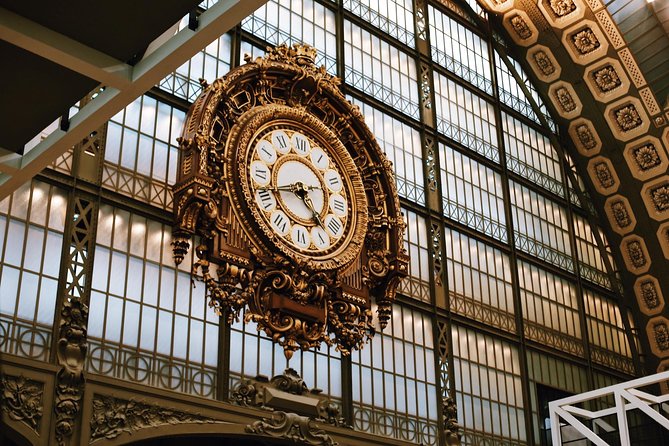
The visit starts at the Musée d’Orsay, at 75007 Paris, and ends back at the meeting point. The museum itself was converted from a Beaux-Arts train station, so the building gives you an immediate sense of scale. Its architecture is more than a backdrop: the old station design, grand interior, and celebrated clock help make the visit feel distinct from a conventional gallery walk.
The route takes about two to two-and-a-half hours. That is long enough to build a useful art-historical thread, but short enough to leave room in your day for lunch, another museum, or a return visit on your own. The trade-off is that Orsay holds far more than any short tour can cover. Think of this as a guided introduction, not an attempt to see every gallery.
Your guide begins with art that came before Impressionism, including Jean-François Millet and The Gleaners. This early stop helps explain what changed. The tour then turns to Édouard Manet, whose The Luncheon on the Grass stirred controversy and challenged conventions about subject matter and presentation. Knowing why the work caused a stir makes it easier to see it as more than a famous painting on a wall.
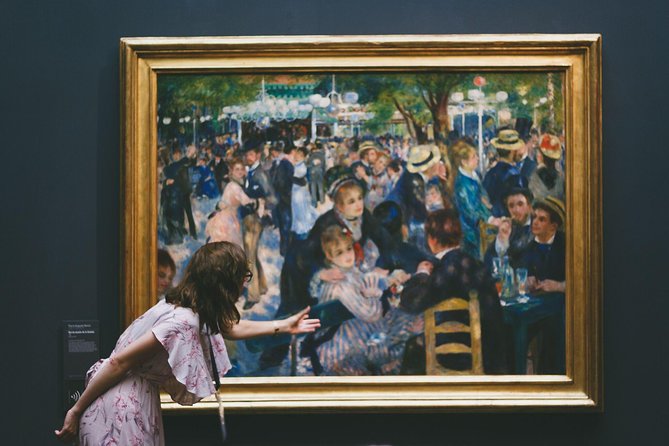
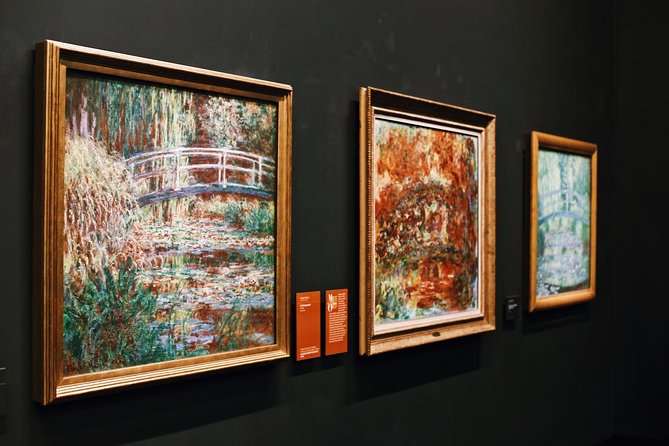
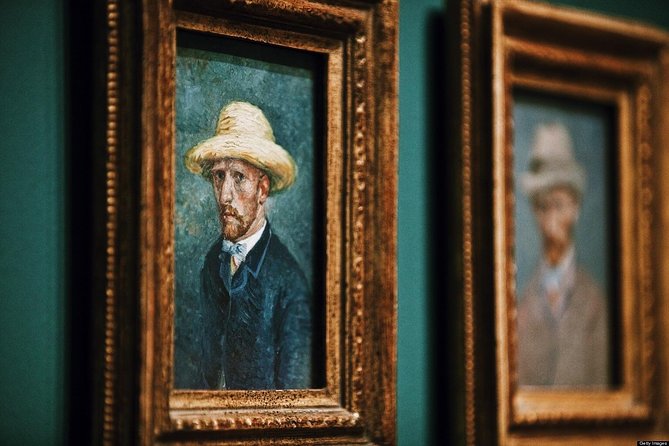
From there, the path includes Renoir’s Dance at Le Moulin de la Galette, Monet’s poppies, and Van Gogh’s Bedroom in Arles. The sequence gives you a sense of both the movement’s development and what followed it. You are not only seeing individual highlights; you are being shown how artists reacted to one another and how styles changed over time.
Some specific rooms have quiet rules or restrictions on speaking. In those areas, the guide is expected to explain the relevant details before you enter. That can interrupt the flow slightly, but it also means the tour can respect the museum’s rules without leaving you entirely in the dark.
More Orsay visits in Paris:
- Paris: Orsay Museum Entry Ticket
★ 4.7 · 25,647 reviews - Paris: Orsay Museum Entry Ticket and Digital Audio Guide App
★ 4.4 · 3,170 reviews - Paris in a Day: Louvre or Orsay, Eiffel Tower, City Walk & Cruise
★ 5.0 · 1,956 reviews
What a good guide adds to the paintings
The most important variable here is the guide. The strongest guiding style is not a stream of dates and names. It is a clear account of why a painting mattered, how it was made, and what the artist was trying to do differently. That is the kind of approach described by visitors who singled out guides including Dina, Christophe, Liliya, Beatrice, Ugo, and Romain.
Dina is praised for being engaging and attentive, with a knack for making art history feel like a lively class rather than a lecture. Christophe is noted for connecting artists and movements, guiding groups through the museum, and making the tour work for families. Liliya is described as interactive and easy to follow, while Romain is recognized for explaining Impressionism’s roots with care and good pacing.
These names are useful examples, not a promise that you can select a particular guide. If a favorite guide is important to you, ask the operator whether that person is available before booking. The experience depends heavily on the person leading it, and even an excellent route can feel rushed or flat if the guide is not a good fit.
A few visitors have found the tour too fast, or felt that their guide was stronger on history than on art. That is worth keeping in mind at this price. You are paying for more than admission and a route through the building: the guide’s ability to explain visual details and answer questions is a large part of the value.
If you enjoy asking questions, speak up early. Guides are described as answering questions and adapting the visit to a group’s interests, but a two-hour tour has a natural limit. If you want a slower, highly tailored discussion, a private option may suit you better than joining other people.
Reserved entry, crowds, and timing
Admission is included, so there is no separate museum ticket to buy for the tour. Reserved entry is a meaningful convenience, especially when the regular ticket line is long. It does not mean you can expect to walk past every queue: security measures can still create waits, and the museum can be crowded inside.
Morning, afternoon, and evening starts give you useful flexibility. An earlier visit may help you get oriented before the day grows busier, while a later slot can fit around other plans. The tour provider does not specify that one time is always quieter, so choose based on your schedule rather than assuming a particular departure guarantees a calm museum.
The guide’s route is also a crowd-management tool. Orsay is popular, and moving efficiently from one major work to the next can save energy as well as time. One useful detail from the tour experience is that headphones may be used, which can make it easier to hear the guide when the galleries are busy.
The museum may occasionally close without prior warning. If opening is delayed by more than an hour past the tour start, an alternative is offered, but a refund or discount is not provided in that situation. Collections can also change during the year, so the exact works on view may vary.
Is $144.21 a fair price?
At $144.21 per person, this is not a budget museum visit. The value comes from three things bundled together: admission, reserved entry, and an English-speaking guide for a focused two-to-two-and-a-half-hour tour. If you would otherwise spend time in line and feel uncertain about how to read the paintings, the guided structure can make the cost easier to justify.
It is a better fit for someone who wants an organized introduction than for someone who likes to wander quietly at their own pace. You can see major works, learn how Impressionism emerged, and leave with a framework for looking at the art. That can be especially useful if this is your first visit to Orsay or if you want to make the museum’s highlights fit into a tight Paris itinerary.
The private option gives your party the guide’s attention, which may be worthwhile for a family, a group with varied interests, or anyone who wants to ask questions freely. The semi-private choice may lower the cost, but you share the experience, and some inclusions differ. Check the wording at checkout rather than relying on the general description.
The tour does not include hotel pickup or drop-off, gratuities, or temporary exhibitions. Plan your own way to the meeting point, and remember that only handbags or small, thin backpacks are allowed through museum security. Large bags and suitcases are not permitted inside.
More museum visits in Paris:
- Paris: Louvre Museum Timed-Entrance Ticket
★ 4.6 · 71,977 reviews - Louvre Museum Masterpieces Guided Tour with Access
★ 4.5 · 12,023 reviews - Paris: Louvre Museum Entry Ticket With Host and River Cruise
★ 4.6 · 9,926 reviews - Les Invalides: Napoleon’s Tomb & Army Museum Entry
★ 4.6 · 9,185 reviews
Who should book this tour?
I would consider this tour if you want more than a quick look at Impressionist favorites. It suits first-time visitors who want the art placed in context, people who enjoy asking questions, and anyone who would rather spend museum time looking than figuring out a route alone. It can also work well for families, since guides such as Christophe have been praised for handling tours with children.
It is less suited to visitors who want to spend several hours lingering over every room, or who prefer total independence. The two-to-two-and-a-half-hour format is an introduction. You will get a guided selection, not full coverage of the collection, and you may want to return afterward to revisit a favorite painting or explore sections beyond the route.
You should also be comfortable walking through a large museum for the duration. The stated fitness level is moderate. The private tour is listed as wheelchair friendly, but that feature does not apply to the semi-private option, so confirm the precise format and access needs before booking.
Should you book it?
Book this tour if you value a clear story, reserved entry, and a guide who can help you see why these paintings changed art. The best reason to go is not simply to tick off Monet, Renoir, and Van Gogh, but to understand the artistic road that brought them there. If you are happy to pay for that structure, it is a strong way to meet Orsay.
Skip it if you prefer an unhurried solo visit or mainly want to browse without commentary. If you book, choose private or semi-private with care, arrive ready for security screening, and treat the guided route as a starting point for your own time in the museum.
FAQ
How long does the tour last?
The tour lasts about two to two-and-a-half hours. The stated duration is 2.5 hours.
Is museum admission included?
Yes. Museum entrance fees and reserved entry are included.
Is the tour private?
The private option is for your group alone. The lower-priced semi-private option is not private, so check which one you select.
Is the tour offered in English?
Yes. English is the listed tour language.
What artworks are included in the route?
The route may include Millet’s The Gleaners, Manet’s The Luncheon on the Grass, Renoir’s Dance at Le Moulin de la Galette, Monet’s poppies, and Van Gogh’s Bedroom in Arles. Works and collections can vary during the year.
Are temporary exhibitions included?
No. Temporary exhibitions are not included.
Does the tour include hotel pickup?
No. Hotel pickup and drop-off are not included. The meeting point is the Musée d’Orsay.
Can I bring a large bag or suitcase into the museum?
No. Large bags and suitcases are not allowed. Handbags and small, thin backpacks are allowed through security.
Are morning and afternoon start times available?
Yes. Morning, afternoon, and evening start times are offered.
Can I cancel for a refund?
You can cancel at least 24 hours before the start time for a full refund. Cancellations or changes made less than 24 hours before the tour are not accepted.
Recently reviewed in Paris
- Private Paris WWII History Tour: Occupation & Resistance★ 4.4 · 3 reviews
- Private Highlights of Paris Bike Tour★ 4.9 · 12 reviews
- Private Orsay Museum Tour: 2h Highlights w/ Monet & Van Gogh★ 5.0 · 4 reviews
- Private Mont Saint-Michel trip from Paris Calvados tasting★ 5.0 · 4 reviews
- Paris: Louvre Museum Highlights Small-Group Guided Tour★ 4.8 · 157 reviews
- Highlights of Paris: Private 6-Hour Vintage 2CV Tour★ 3.9 · 19 reviews
- Private Giverny Monet’s House & Gardens Trip from Paris★ 4.9 · 11 reviews
- Private Guided Tour, The Louvre by night !★ 4.2 · 30 reviews
Musée d'Orsay Tours, compared.
Orsay Museum Entry Ticket and Digital Audio Guide App
Read our review →
Paris in a Day: Louvre or Orsay, Eiffel Tower, City Walk & Cruise
Read our review →
Musée d’Orsay Entry Ticket and Seine River Cruise
Read our review →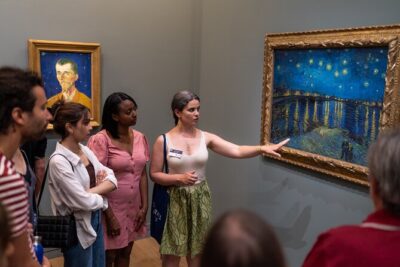
Musée d’Orsay Skip-the-Line Tour with Expert Guide
Read our review →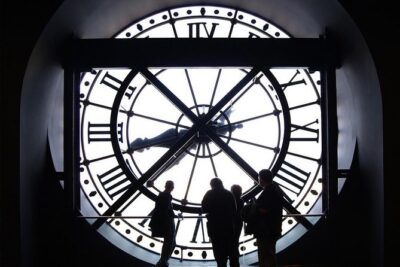
The Musée d’Orsay Guided Tour Orsay Museum Semi-Private 6ppl Max
Read our review →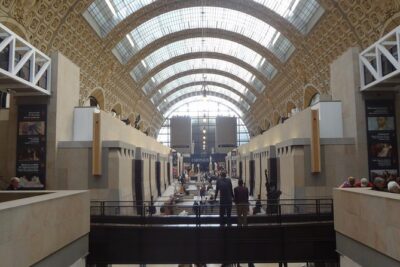

Orsay Museum and Rodin Museum Combo Entry Ticket
Read our review →Browse the lists this tour appears in