
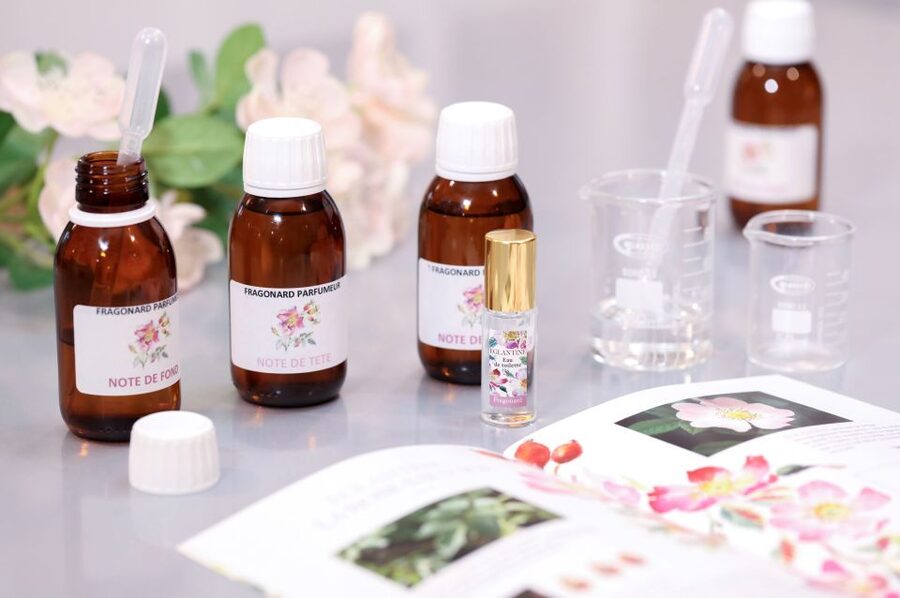
Reviewed · PARIS PERFUME WORKSHOPS
Fragonard Paris: Mini Perfume Workshop
Perfume is not just something to dab on before dinner. At Fragonard, you learn how top, heart, and base notes work together, then mix your own proportions of three prepared accords into a small bottle of Eau de Toilette. The workshop takes place beside a museum filled with fragrance bottles and objects that trace perfume across thousands of years.
I like two things in particular: the hands-on blending gives you a personal souvenir, and the museum visit adds history to an activity that could otherwise feel like a quick craft class. The English-speaking guides, including Yoko, Naomi, and Paco, have been praised for making the explanations lively and easy to follow.
The main consideration is time. The full visit lasts 45 minutes, and the workshop itself takes about 20, so the pace can feel brisk. You also work with three pre-composed notes from Fragonard’s Flower of the Year, not a full palette of ingredients or a completely original formula.
The experience at a glance
- Blend three prepared notes: Adjust the proportions of top, heart, and base notes to make your own version of the Flower of the Year Eau de Toilette.
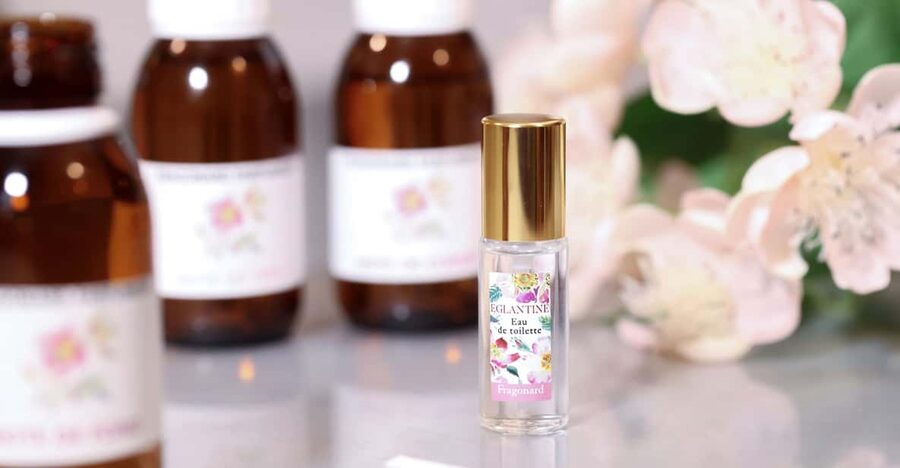
- Take home a 12 ml spray: Your finished perfume is a small, personal keepsake rather than a full-size bottle.
- Visit a museum in an old mansion: The collection includes antique fragrance bottles, perfume-making objects, and decorative works.
- Learn the olfactory pyramid: The guide explains how fragrance notes unfold and how their roles differ.
- Join a small English-language group: The activity is limited to 10 participants, with children accepted from age 8 when accompanied by a paying adult.
At Fragonard, perfume becomes a hands-on lesson
The Fragonard Perfume Museum sits right beside the Opéra Garnier, making this an easy cultural stop to pair with time around central Paris. The experience combines a guided look at the museum with a short workshop. Depending on the session, the museum visit takes place before or after the perfume-making portion.
The setting matters. Rather than making perfume in a generic classroom, you start or finish in an old private mansion with a Second Empire atmosphere. Its displays link scent to daily life, craft, and status, showing how perfume has changed over roughly three thousand years.
This is a compact activity, not an exhaustive course in perfumery. You will get a clear introduction to the subject, some museum context, and time to make a small fragrance of your own. If you want a focused change of pace from churches, galleries, and long walks, that mix makes good use of 45 minutes.
More perfume workshops in Paris:
- Paris: 2-Hour Perfume Creation Workshop
★ 4.8 · 731 reviews - Paris: Perfume Creation Workshop
★ 4.8 · 289 reviews - Paris Create your Own Perfume Workshop with a Perfumer
★ 4.5 · 275 reviews
The museum explains perfume through objects
The museum tour gives the workshop a useful historical frame. You see old scent bottles and objects connected to fragrance, along with vanished raw materials and examples of the techniques associated with Grasse, the French town closely linked with perfume-making.
The collection spans a long stretch of history, from objects associated with ancient Egypt to pieces from the era of Fabergé. The bottles are more than pretty containers: their materials and designs offer clues about how scent was stored, displayed, and valued in different periods. A perfume bottle can be a practical vessel, but it can also be a small work of decorative art.
A second part of the museum focuses on artistic objects and goldsmithing. That gives you a broader view of the craftsmanship surrounding perfume, rather than treating fragrance as only a matter of smell. You may find this section especially interesting if you enjoy decorative arts, historic objects, or the design of everyday luxury goods.
The tour is brief, so think of it as an introduction rather than time to study every display at length. Some visitors have wanted more time in the exhibits, and the 45-minute format leaves little room to wander slowly during the guided portion. If an object catches your eye, you can ask your guide a question, then consider returning to the museum displays if time and entry arrangements allow.
The olfactory pyramid makes the workshop click
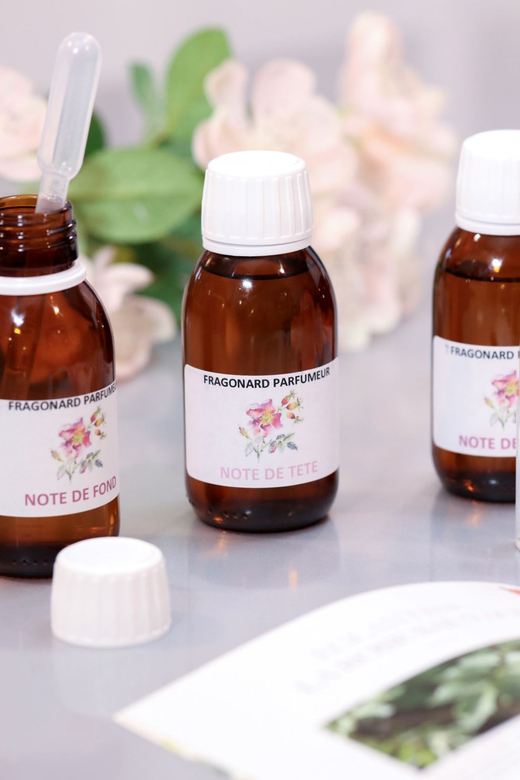
The guide introduces the olfactory pyramid, a way of describing how different parts of a fragrance work together. In this session, you encounter a top note, a heart note, and a base note. These are supplied as three pre-composed elements from Fragonard’s Flower of the Year Eau de Toilette.
That distinction is important when you book. You are not choosing from a large collection of individual raw materials and starting from scratch. Instead, you learn to recognize three prepared blends and decide how much of each to use. It is a more approachable format, especially if you do not know perfume vocabulary or would rather not face dozens of choices.
The guide walks you through the process and helps you customize the balance. Even with the same three notes, different proportions can produce different results. That gives you a real role in making the scent, while the pre-composed ingredients keep the activity manageable within a short session.
The lesson also sharpens your sense of smell. You are encouraged to notice the character of each component and how it contributes to the overall fragrance. This is a practical introduction, not just a demonstration: you leave with a better idea of why a perfume can feel fresh, floral, sweet, or warm, and why one note alone does not tell the whole story.
Your 12 ml perfume is the personal souvenir
The workshop ends with a 12 ml spray bottle of your own Eau de Toilette. It is a modest size, but that is part of the appeal. You can carry it home easily, and it is a more meaningful reminder of the visit than a standard shop purchase because you helped determine the blend.
Keep expectations clear: you are customizing the Flower of the Year formula using three prepared notes, rather than inventing an entirely new perfume. If you enjoy making choices and testing scent combinations, that limitation is unlikely to spoil the fun. In fact, it can help if you feel overwhelmed by too many options.
The format also works well for a pair or family. Each person can choose a different balance, and the finished scents need not be identical. Children from age 8 can take part under the responsibility of a paying adult, which makes this a possible shared activity with school-age children or teenagers. The short duration helps keep it accessible for younger participants.
More hands-on workshops in Paris:
- Paris Cooking Class and Lunch with Wine plus Market Visit Option
★ 5.0 · 1,024 reviews - Paris Croissant Small-Group Baking Class with a Chef
★ 5.0 · 910 reviews - Paris: Macaron Class at Galeries Lafayette
★ 4.3 · 905 reviews - Paris: French Croissant Baking Class with a Chef
★ 4.9 · 712 reviews
The guide sets the tone
The guide is a major part of the experience. Names that have been praised include Yoko, Naomi, and Paco, though the guide for your session may be someone else. The strongest guides explain perfume history in plain language, keep the pace lively, and make room for questions without letting the short schedule drift.
The teaching style matters because fragrance can be hard to describe. A good guide helps you put words to what you smell, then ties those impressions to the notes and categories used in perfumery. Visitors have particularly valued explanations that were clear, humorous, and easy to follow.
At the end, there may also be a chance to explore fragrance categories such as citrus, floral, and oriental, and sample scents. This adds a useful bridge between the museum and the perfume counter: you can practice identifying broad scent families rather than simply deciding that a perfume smells good or bad. The session can leave your nose a little overloaded, so take your time with samples if you are sensitive to strong scents.
The adjacent shop offers Fragonard products for browsing and purchase. Buying something is not required to make the activity worthwhile. Your take-home bottle is already included, and the workshop is best approached as a lesson and a souvenir, not as a sales appointment.
Is $36 good value for 45 minutes?
At $36 per person, this is not the cheapest short activity in Paris, but the price covers more than a quick demonstration. You get a guided museum visit, an English-language introduction to perfume, the blending workshop, and a 12 ml bottle to take away. The included souvenir gives the price a practical edge, especially if you would otherwise buy a small perfume as a memento.
Value depends on what you want from the session. If you love fragrance, enjoy craft activities, or want a cultural experience that is less predictable than another monument visit, the combination is appealing. If you want a long, technical course with access to dozens of raw ingredients, this is not that. The format is short and structured, and the three prepared notes set clear limits on how much you can experiment.
The small group, capped at 10 participants, should make it easier to hear the guide and get help with your blend than in a large tour. Still, a small group does not change the overall schedule. The workshop portion lasts about 20 minutes, and the whole visit is 45 minutes, so you should arrive ready to pay attention and make decisions without lingering over each step.
Who will enjoy this most?
This is a good fit for perfume fans who want to understand scent construction, but you do not need prior knowledge. The guide explains the basic ideas, and the activity gives you a direct way to test them. If you are curious about how a fragrance is built, you will get more from the session than someone who only wants a souvenir bottle.
It also suits couples, friends, and families with children aged 8 or older. The shared task gives you something to compare afterward: how each person balanced the notes, and how differently the same prepared ingredients can smell. For a rainy morning or a gap between nearby sightseeing stops, the short format is convenient.
Consider another activity if you need wheelchair access. The experience is listed as unsuitable for wheelchair users, and pets are not allowed. English is the stated tour language, and the group is small. Children must be accompanied by a paying adult.
Practical details before you book
The meeting point is the Fragonard Perfume Museum, next to the Opéra Garnier. Check the starting times when you choose a date, since availability determines the options. The overall visit lasts 45 minutes, with about 20 minutes devoted to the workshop.
You can cancel up to 24 hours before the activity for a full refund, and a reserve-now, pay-later option is available. Those terms are helpful if your Paris plans are still shifting, but the key decision is whether a short, guided introduction suits your interests.
Should you book the Fragonard Mini Perfume Workshop?
Book it if you want a compact Paris experience that combines museum history with a hands-on activity and a small scent to take home. The best part is the balance: you learn the basic structure of perfume, then put that lesson to work by adjusting three notes yourself.
Skip it if you expect an open-ended perfumer’s lab or a long museum visit. The workshop is brief, the formula is based on pre-composed notes, and the museum tour moves at a purposeful pace. For $36, though, the combination of instruction, historic objects, and a personalized 12 ml bottle makes this a thoughtful choice for curious noses and families with older children.
FAQ
How long does the Fragonard Mini Perfume Workshop last?
The full activity lasts 45 minutes. The perfume-making workshop itself takes about 20 minutes.
What do I make during the workshop?
You blend three pre-composed notes, a top note, a heart note, and a base note, from Fragonard’s Flower of the Year Eau de Toilette.
Do I take home the perfume I make?
Yes. The activity includes a 12 ml spray bottle of your own Eau de Toilette creation.
Is the tour available in English?
Yes. The live tour guide speaks English.
How many people are in each group?
The group is limited to 10 participants.
Where is the meeting point?
Meet at the Fragonard Perfume Museum, located beside the Opéra Garnier.
Can children take part?
Children aged 8 and older are accepted under the responsibility of a paying adult.
Is the experience suitable for wheelchair users?
No. The activity is listed as unsuitable for wheelchair users.
Can I bring a pet?
No. Pets are not allowed.
Recently reviewed in Paris
- Private Paris WWII History Tour: Occupation & Resistance★ 4.4 · 3 reviews
- Private Highlights of Paris Bike Tour★ 4.9 · 12 reviews
- Paris: Louvre Museum Highlights Small-Group Guided Tour★ 4.8 · 157 reviews
- Private Orsay Museum Tour: 2h Highlights w/ Monet & Van Gogh★ 5.0 · 4 reviews
- Private Mont Saint-Michel trip from Paris Calvados tasting★ 5.0 · 4 reviews
- Highlights of Paris: Private 6-Hour Vintage 2CV Tour★ 3.9 · 19 reviews
- Private Giverny Monet’s House & Gardens Trip from Paris★ 4.9 · 11 reviews
- Private Guided Tour, The Louvre by night !★ 4.2 · 30 reviews
Paris Perfume Workshops, compared.
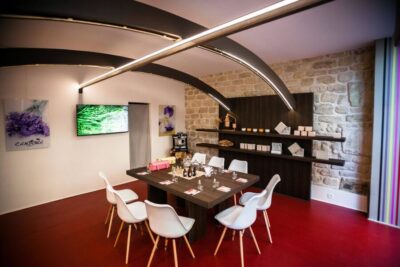
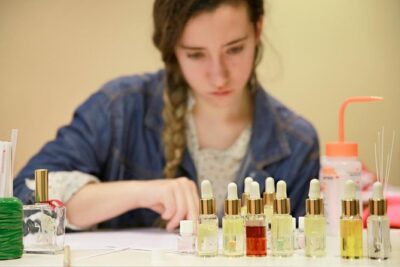
Paris Create your Own Perfume Workshop with a Perfumer
Read our review →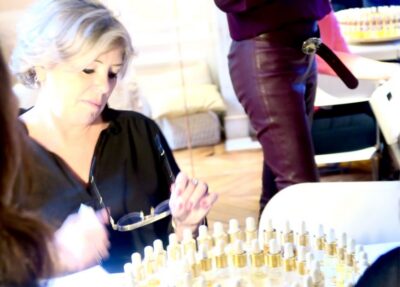
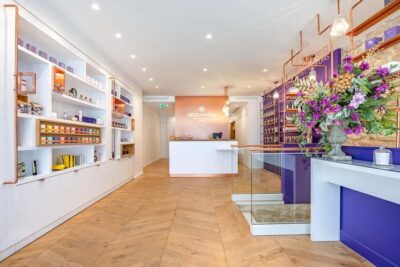
Paris Saint Honoré Ier: Perfume Creation Workshop
Read our review →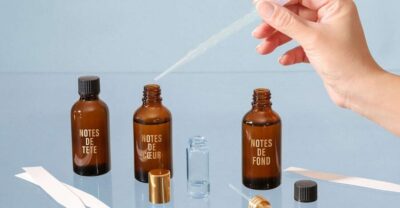
Fragonard Paris – Mini Perfume workshop – only in Spanish
Read our review →
Paris 4 : Fragrance Creation Workshops – Vegan Perfumes
Read our review →
Browse the lists this tour appears in