
Reviewed · PARIS TOURS
Private Paris WWII History Tour: Occupation & Resistance
Paris’s occupation story is written into its streets: clandestine Resistance work, Nazi control, the persecution of Jewish families, and the city’s eventual liberation. This three-hour private walk connects those events to places you can see, including the Luxembourg Gardens and the Saint-Michel district.
I like two things about the route: it makes the Resistance’s work tangible through specific neighborhood sites, and it gives space to remember the victims of deportation at the Mémorial des Martyrs de la Déportation. One visitor also found the walking pace comfortable and appreciated seeing parts of Paris they had not explored before.
The main caution is value for money. At $294 per person, this is a costly walk, and one visitor found the guide’s delivery too neutral and the tour half an hour shorter than expected. Your experience may depend greatly on the guide and how much time they spend at each stop.
Key points to know before you book
- A private, three-hour walk focuses on occupation, Resistance, persecution, and liberation.
- Jean Moulin and the underground press help explain how resistance networks worked, including the role of Défense de France.
- The Luxembourg Gardens carry a stark contrast: a peaceful public garden today, and a place associated with Luftwaffe headquarters during the occupation.
- The Saint-Michel district brings the story to street level, with sites linked to resistance, the 1942 riots, and Samuel Beckett’s refuge from the Gestapo.
- The itinerary includes remembrance, not just military history, with reflection on the Vel d’Hiv roundup and a visit to the Deportation Memorial.
- The price calls for careful consideration: the tour costs $294 per person, and one account describes a finish 30 minutes early.
A street-level account of occupation and resistance
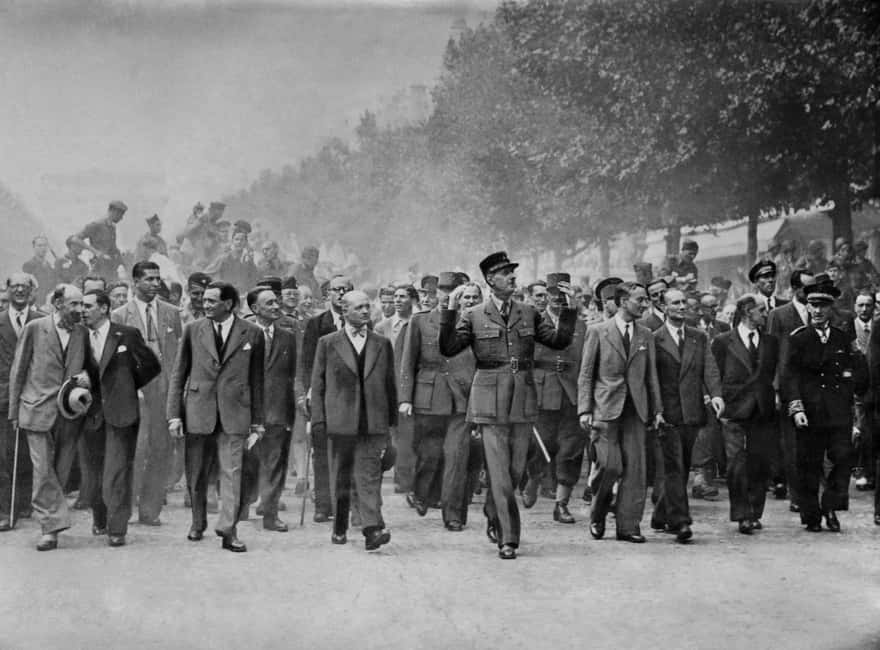
This tour’s main value is its focus on place. Instead of treating wartime Paris as a string of dates and famous names, it connects events to streets and landmarks you can stand beside. That can make a complicated history easier to picture, especially if you already know the broad outline of the occupation but want a stronger sense of how it touched everyday city life.
The walk covers several different strands of that history. You’ll hear about secret Resistance activity, the underground publication Défense de France, Jean Moulin’s efforts to unite resistance groups, the persecution and deportation of Jewish families, and the final days of Nazi control. The route also addresses what came after liberation, including collaboration and rebuilding.
That range is useful, but it is a lot to cover in three hours. You should expect an overview shaped by the stops, not a full account of every aspect of wartime Paris. If one subject matters especially to you, such as the Resistance or the Vel d’Hiv roundup, consider raising it with your guide so you can see how much time the route allows for it.
More history tours in Paris:
- Paris: Louvre Museum Entry with History of Mona Lisa
★ 3.9 · 2,823 reviews - Paris: Dark History and Ghostly Guided Walking Tour
★ 4.7 · 1,000 reviews - Le Marais/Paris – The Historic, Trendy, Jewish, LGBT district
★ 5.0 · 341 reviews
Resistance work in streets near the Gestapo
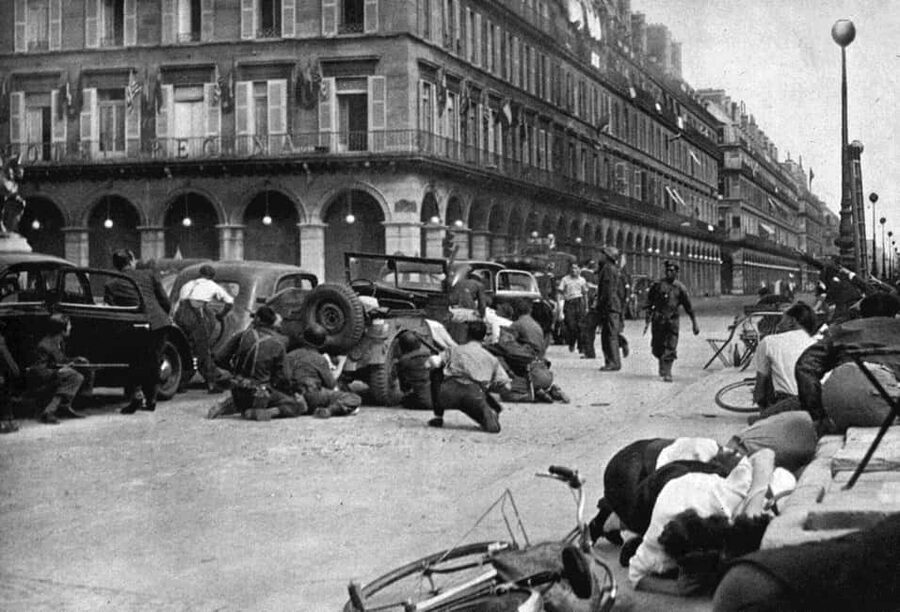
One part of the walk looks at the neighborhoods where Resistance members operated while the Gestapo was close by. The contrast matters: ordinary streets became settings for clandestine meetings, communication, and acts of defiance. The tour also explores the role of underground publications, including Défense de France, which gives you a way to think about resistance beyond armed action.
The value of this section is in understanding how much depended on secrecy and trust. A city block may look unremarkable now, but the guide can use it to explain the risks involved in passing information or organizing against the occupation. The supplied details do not identify every street or building on the route, so treat this as a neighborhood-focused account rather than a promise to visit a particular Resistance headquarters.
Jean Moulin provides a thread through this story. The tour follows his path and explains his effort to bring different Resistance groups together. That work helps put the movement in context: resistance was not one unified organization from the start, and cooperation was necessary to build a broader challenge to Nazi rule.
For you, this stop is likely to be most engaging if you enjoy history that connects individual choices to larger events. It is less about grand monuments than about the difficult work done out of public view. The guide’s ability to tell these stories clearly and with feeling will matter. One visitor found the information strong but the delivery neutral, a useful reminder that a private format does not guarantee a lively storytelling style.
The Luxembourg Gardens’ wartime past
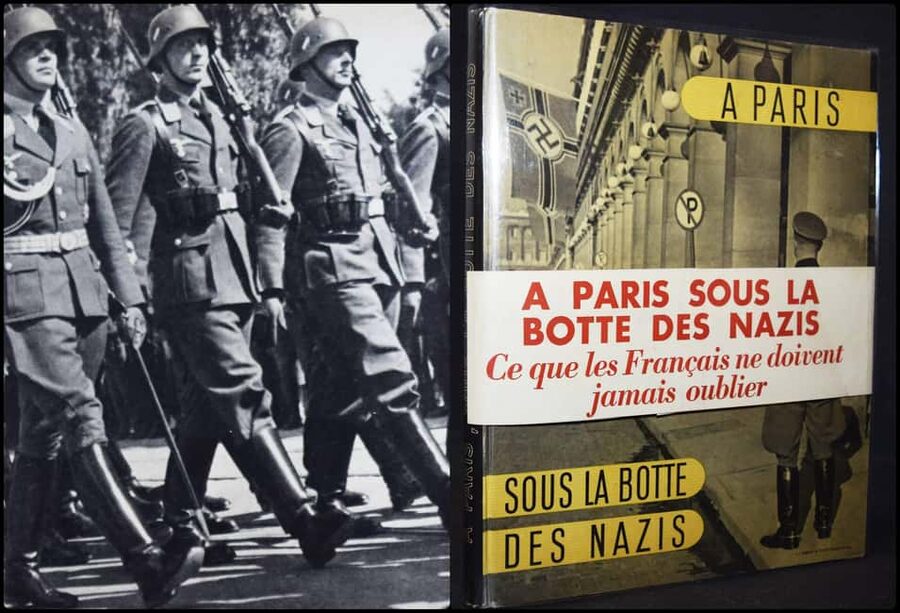
The Luxembourg Gardens offer one of the tour’s sharpest contrasts. Today, the setting is peaceful; during the occupation, the site held a darker role as headquarters for the Luftwaffe. The guide uses that contrast to help you picture how Nazi power was embedded in Paris, even in places now associated with leisure and beauty.
This is not simply a garden visit. Its point is the shift in meaning: a familiar public space can carry a hidden wartime history that is easy to miss without context. The tour description does not specify how long you spend here or which exact features are discussed, so the value will depend on the guide’s explanation rather than a set of named exhibits.
The stop also offers a change of pace from the more painful subjects on the route. That does not make the history less serious. Instead, it gives you a way to consider how the occupation altered the use and meaning of places across the city.
Saint-Michel, defiance, and Samuel Beckett
The Saint-Michel district is presented as a symbol of resistance, including its connection to riots against Nazi rule in 1942. This part of the walk brings the story into a lively central area, where the present-day streets can feel far removed from the danger and anger of wartime events.
A bookstore associated with Samuel Beckett adds a striking personal detail. Beckett found refuge there from the Gestapo, a reminder that the occupation’s reach affected not only organized Resistance members but also people trying to stay safe. The supplied details do not name the bookstore, so you may want to ask the guide for its name and what is known about Beckett’s time there.
This is one of the tour’s more memorable links between a well-known cultural figure and the risks of daily life under occupation. It also gives the guide a chance to show how resistance and refuge could take different forms. If you like history tied to writers, books, and specific human decisions, this stop may be a highlight.
More tours and experiences in Paris:
- Paris: 1-Hour Seine Cruise departing from the Eiffel Tower
★ 4.4 · 77,472 reviews - Paris: Louvre Museum Timed-Entrance Ticket
★ 4.6 · 71,977 reviews - Disneyland® Paris 1-Day Ticket
★ 4.6 · 49,412 reviews - Paris: Versailles Palace and Gardens Full Access Ticket
★ 4.6 · 41,579 reviews
Remembering the Vel d’Hiv roundup and deportation
The tour also turns to the roundup of Jewish families during the Vel d’Hiv raid. This is a grave subject, and the route asks you to reflect on the people who were seized and sent away. The story belongs at the center of any account of occupied Paris, not at the edge of it.
A visit to the Mémorial des Martyrs de la Déportation provides a place for remembrance. The memorial honors people sent to concentration camps, shifting the focus from the workings of occupation to its human cost. Expect a solemn stop. The tour’s own guidance asks you to respect the seriousness of memorial sites, and that is good advice: this is not a place for hurried sightseeing or casual conversation.
For you, this part of the walk may be emotionally demanding. It is also an important reason to choose a guide who can handle the subject with care. The stated itinerary includes reflection and a memorial visit, but does not specify the length of the stop or provide details about what is included at the site. If you need a slower pace or more time for quiet, ask in advance whether the timing can accommodate that.
From Nazi control to liberation
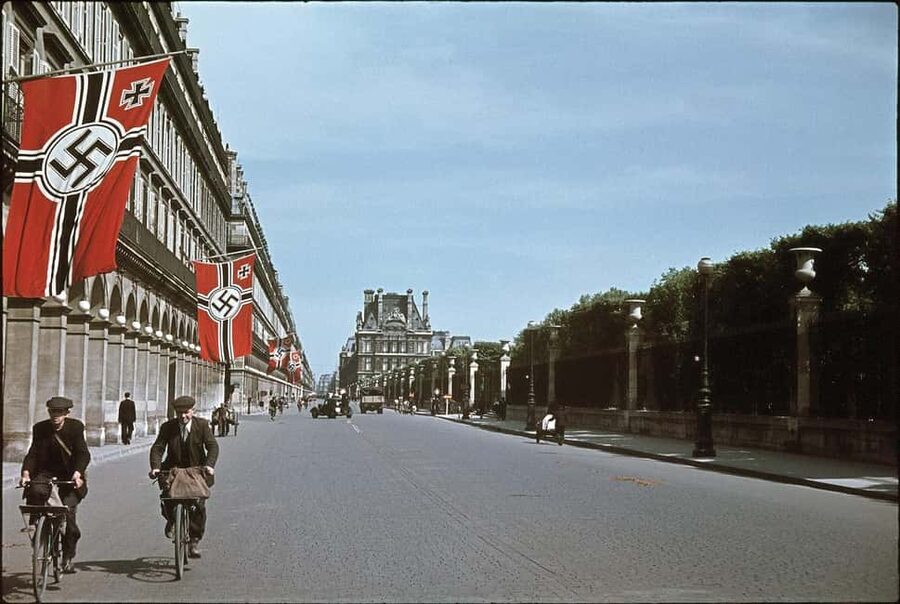
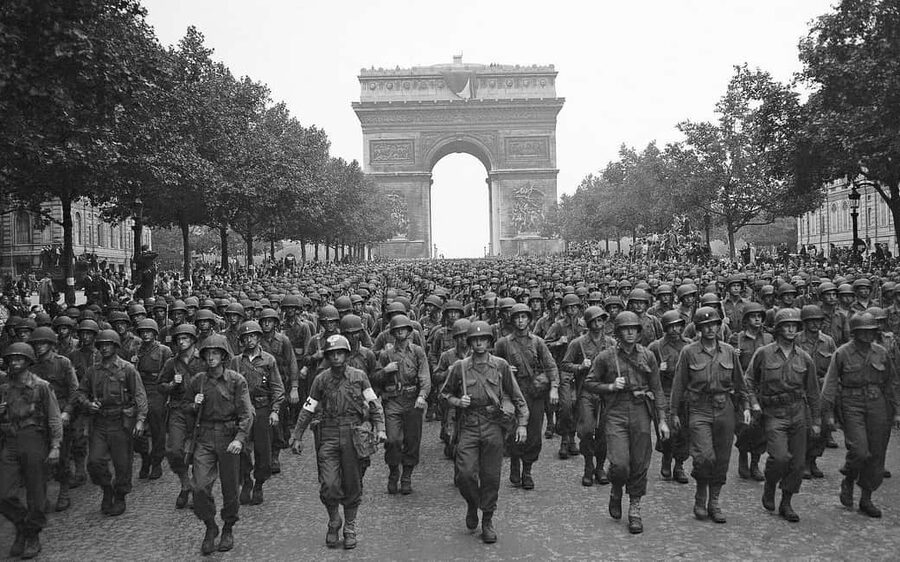
The final part of the tour follows Paris through the last days of occupation and the celebrations that came with freedom. That transition is compelling because liberation was not just a single moment. The walk also considers the aftermath, including the complexities of collaboration and the work of rebuilding.
This broader ending helps keep the tour from stopping at the dramatic image of a liberated city. It invites you to think about what came next: how people faced the choices made during occupation, and how a city moved forward after years of control and fear. The tour does not promise a detailed treatment of every postwar issue, but it does place liberation in a longer story.
The emotional range is wide. You move from covert resistance to persecution, then toward public celebration and difficult questions about responsibility. That makes the tour a strong fit if you want a serious introduction to Paris during WWII, but perhaps less suitable if you prefer a lighter city walk.
What the three-hour private format means
The walk lasts three hours and involves significant walking. Wear comfortable shoes and bring clothing suited to the weather. One visitor found the amount of walking about right and liked seeing unfamiliar parts of Paris, but another found the tour ended 30 minutes early. If you value a full three hours of guided time, it is sensible to confirm the expected finish and ask how the guide handles the schedule.
The tour is for a private group, which gives you a more personal setting than a large group walk. It does not, by itself, guarantee a customized route or extra time at your preferred stops. The listed guide languages are English, Spanish, Russian, German, Korean, Chinese, Japanese, Italian, and French. No guide names are provided, so you cannot choose a particular guide based on name or biography.
The tour is listed as wheelchair accessible, while also requiring significant walking. Those details are worth discussing directly before booking if you have mobility needs, since the information does not explain the route’s surfaces, distances between stops, or arrangements for rest.
The meeting point is next to the Saint Michael Monument, where the guide will be holding a Mister Llama mascot. That makes the starting spot easier to identify in a busy area. Hotel pickup and drop-off are not included, though the tour can start closer to your hotel if it is conveniently located along the route. Meals, beverages, and personal expenses are also not included.
Is $294 per person good value?
At $294 per person, this is a significant outlay for a three-hour walking tour. A private guide can make the experience feel more focused, and the subject matter benefits from explanation that links different sites into one story. But the price is hard to justify if you receive a rushed or overly neutral presentation.
The available feedback points in both directions. One visitor praised the walking pace and the chance to see new areas of Paris while making a visual connection to an important part of history. Another appreciated the guide’s command of the subject but felt the delivery lacked warmth, the walk ended early, and the price was too high for the experience. There are only three ratings in the overall score, so the 4.4 rating is a small sample, not a guarantee of what you will get.
I would weigh the price against your priorities. If you want a private, guided route through several difficult and connected subjects, and you value having a guide explain what happened at each location, the cost may make sense. If you mainly want a basic introduction, you may find the price steep for a three-hour walk. Ask about the pace, the planned finish time, and whether there is room to spend longer on the subjects that matter most to you.
Free cancellation is available up to 24 hours before the tour for a full refund, and you can reserve now and pay later. Those terms offer flexibility, but they do not change the central question: are you paying for the kind of thoughtful, attentive interpretation you want?
Who should book this Paris WWII walk?
This tour suits you if you want to connect Paris’s wartime history to real streets and memorials, and if you are comfortable with a serious subject. It is especially relevant if you want to learn about the Resistance, Jean Moulin, the occupation’s effect on public spaces, the Vel d’Hiv roundup, and the city’s liberation in one guided walk.
It may be less appealing if you are watching your budget closely, need a fast overview, or expect a highly theatrical guide. The most important variable is the guide’s ability to make the history clear and human without rushing. Before booking, ask how the three hours are usually divided and whether the route can give extra attention to a subject you care about.
I’d book it if a private format and careful, place-based history are worth the premium to you. I’d pause if the price only feels reasonable with a guaranteed full three hours and a particularly engaging delivery, since neither can be assured from the details available.
FAQ
How long is the tour?
The tour lasts three hours. One visitor reported that it ended 30 minutes early, so you may want to confirm the expected finish time before booking.
Where is the meeting point?
Meet next to the Saint Michael Monument. The guide will be holding a Mister Llama mascot.
Is the tour private?
Yes. It is offered as a private group tour.
What languages are available?
Guides are listed in English, Spanish, Russian, German, Korean, Chinese, Japanese, Italian, and French.
Is the tour wheelchair accessible?
It is listed as wheelchair accessible. The tour also involves significant walking, so contact the provider to discuss your mobility needs and the route.
What should I wear or bring?
Wear comfortable shoes and bring clothing suitable for the weather.
Are hotel pickup, meals, or drinks included?
No. Hotel pickup and drop-off, meals, beverages, and personal expenses are not included. A closer starting point may be possible if your hotel is conveniently located along the route.
Can I cancel for a refund?
Yes. You can cancel up to 24 hours in advance for a full refund. You can also reserve now and pay later.
Recently reviewed in Paris
- Private Highlights of Paris Bike Tour★ 4.9 · 12 reviews
- Private Mont Saint-Michel trip from Paris Calvados tasting★ 5.0 · 4 reviews
- Paris: Louvre Museum Highlights Small-Group Guided Tour★ 4.8 · 157 reviews
- Private Orsay Museum Tour: 2h Highlights w/ Monet & Van Gogh★ 5.0 · 4 reviews
- Highlights of Paris: Private 6-Hour Vintage 2CV Tour★ 3.9 · 19 reviews
- Private Giverny Monet’s House & Gardens Trip from Paris★ 4.9 · 11 reviews
- Private Guided Tour, The Louvre by night !★ 4.2 · 30 reviews
- Private Exquisite Red & White Burgundy Wines Trip from Paris★ 5.0 · 3 reviews
Paris Tours, compared.

1-Hour Seine Cruise departing from the Eiffel Tower
Read our review →

Versailles Palace and Gardens Full Access Ticket
Read our review →
Eiffel Tower Entry Ticket with Optional Summit Access
Read our review →Browse the lists this tour appears in