
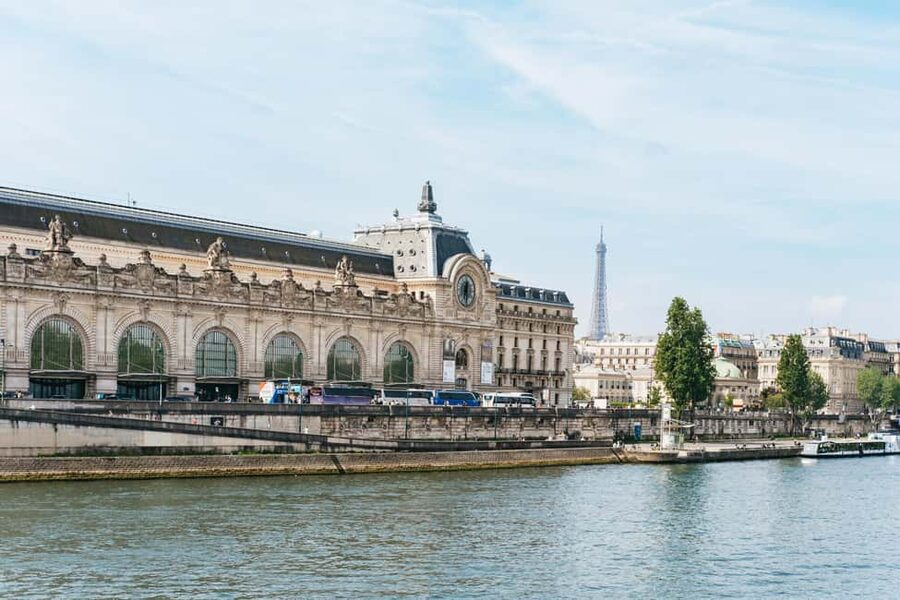
Reviewed · MUSÉE D'ORSAY TOURS
Paris: Musée d’Orsay Guided Tour with Skip-the-Line Tickets
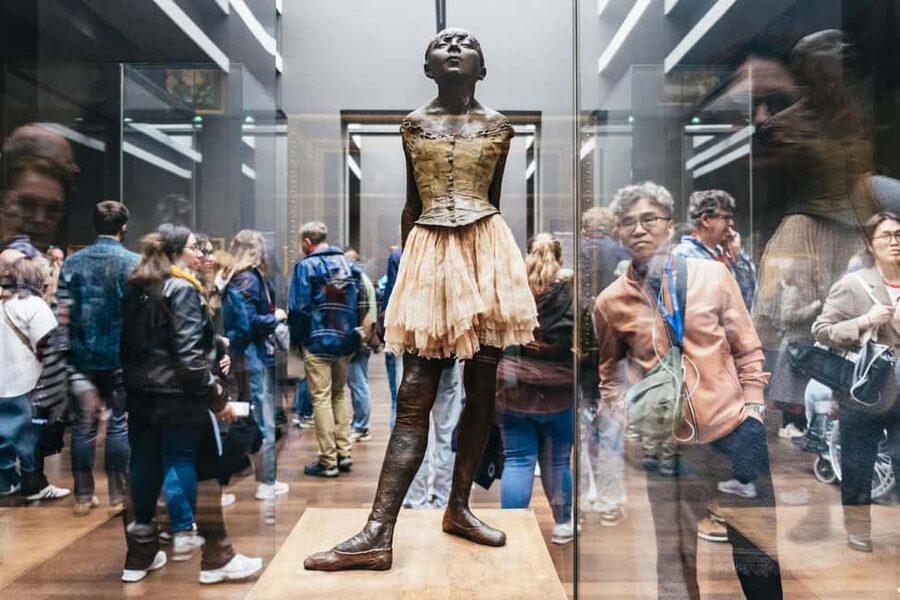
The Musée d’Orsay’s greatest surprise is that the art and the building tell the story together. On this 1.5-hour guided tour, you’ll see works by Monet, Van Gogh, Manet and Renoir inside a former train station, while your guide explains how industrial-era Paris and changing tastes shaped both the artists and the museum.
I like two things in particular: the building’s railway-station scale, which makes the visit memorable before you reach a painting, and the guide’s art stories, which can help you see more than just a familiar name on a wall. Guides including Merve, Gabriella and Thibeault have led tours, with visitors praising their energy, clear explanations and links between artists and works.
The main trade-off is time. Ninety minutes is enough for a guided highlights route, not a full museum visit, and crowded rooms can make the pace feel brisk. The skip-the-line entrance helps, but security can still take up to 15 minutes.
Key points before you book
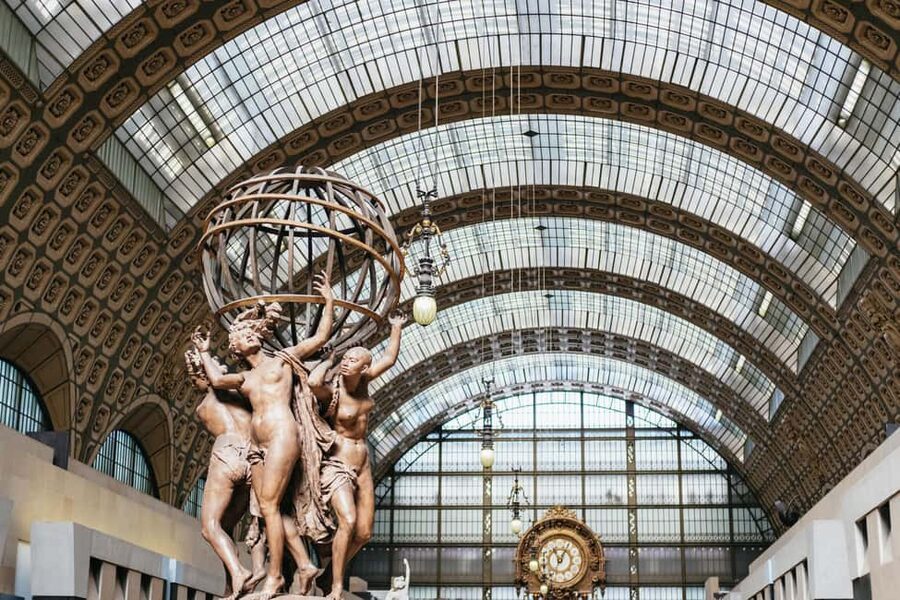
- A former station sets the scene: The museum’s grand railway interior is part of the visit, not just a container for the paintings.
- Impressionism is the focus: Expect works by Monet, Manet, Renoir, Van Gogh and Cézanne, among others.
- The guide supplies context: The tour connects paintings to 19th-century Paris, the Industrial Revolution and changing artistic styles.
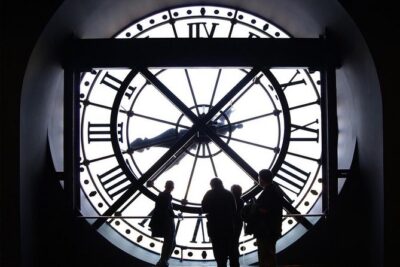
- Clock views offer a pause: You’ll take in Paris through one of the old station’s large clocks.
- The route is a highlights visit: The museum is too large to cover in 90 minutes, and temporary exhibitions are not included.
- A Louvre add-on is available: Choose the option with a separate two-hour Louvre tour in the afternoon.
Entering a station turned museum

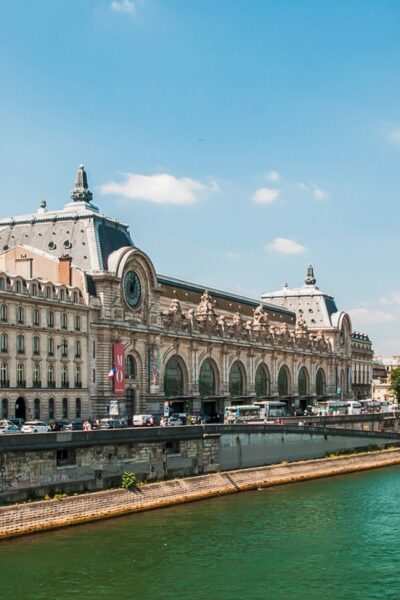
The Musée d’Orsay began life as a train station and hotel, a building designed for the movement and spectacle of modern travel. Its vast central hall, iron structure and great clock give the museum a character quite unlike the more conventional gallery spaces you may have visited elsewhere in Paris.
That history is a useful part of the tour, not a footnote. Your guide explains how the station was transformed into a museum and places the building within the changes taking place in Paris during the 19th century. The city was being reshaped by industry and new ways of living, while artists were finding fresh subjects and ways to paint them.
Meet your guide beside the horse statue near the Musée d’Orsay entrance at the time you booked. The statue is the agreed meeting point, but it can be harder to spot a guide in a crowd than you might expect. Look for the person leading a group, and arrive with enough time to find them without rushing.
The tour uses a separate entrance for skip-the-line access, but that does not mean you walk straight into the galleries. Security checks can still take up to 15 minutes, and the tour allows about 30 minutes for organization, entry and getting audio headsets. Treat the booked start time as a meeting time, not necessarily the moment the first painting comes into view.
More Orsay visits in Paris:
- Paris: Orsay Museum Entry Ticket
★ 4.7 · 25,647 reviews - Paris: Orsay Museum Entry Ticket and Digital Audio Guide App
★ 4.4 · 3,170 reviews - Paris in a Day: Louvre or Orsay, Eiffel Tower, City Walk & Cruise
★ 5.0 · 1,956 reviews
Getting your bearings among the Impressionists
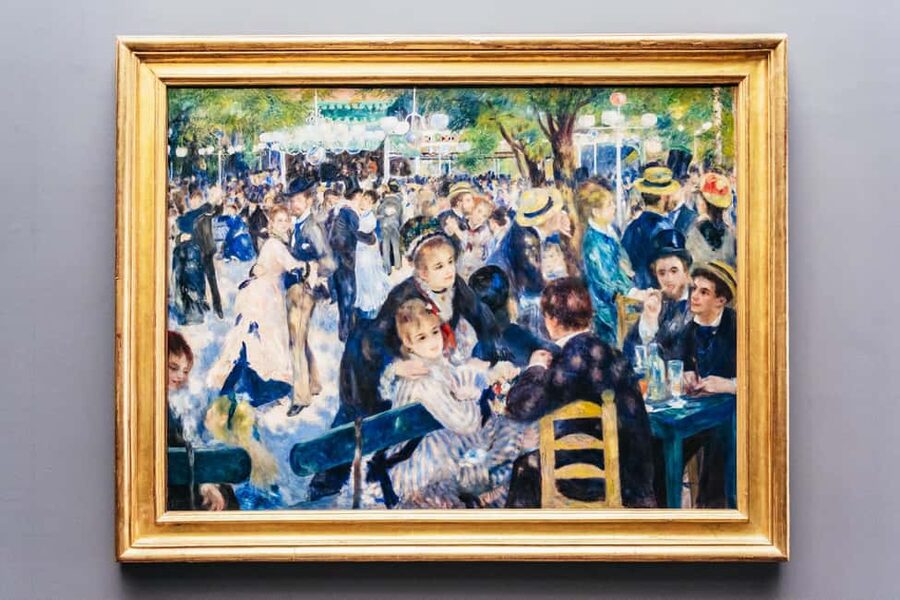
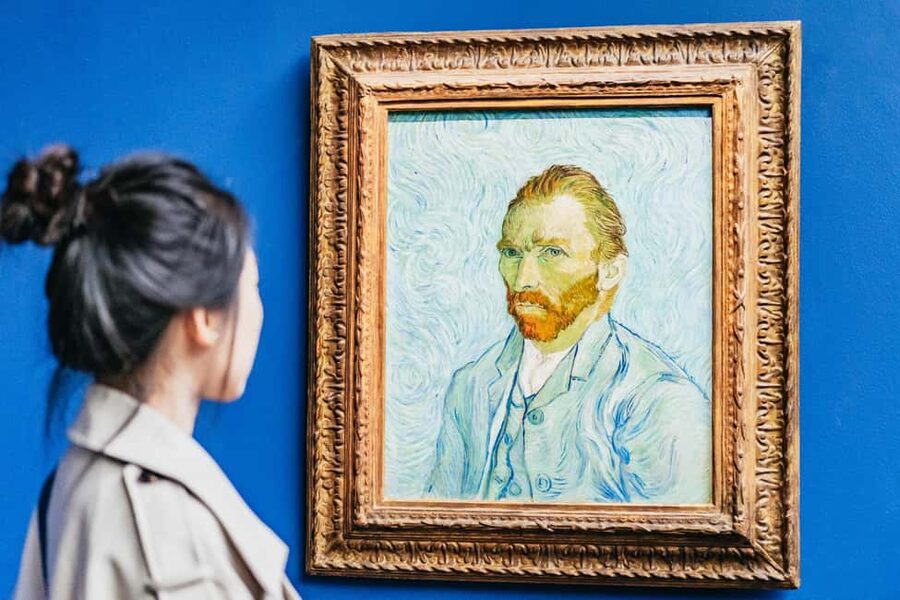
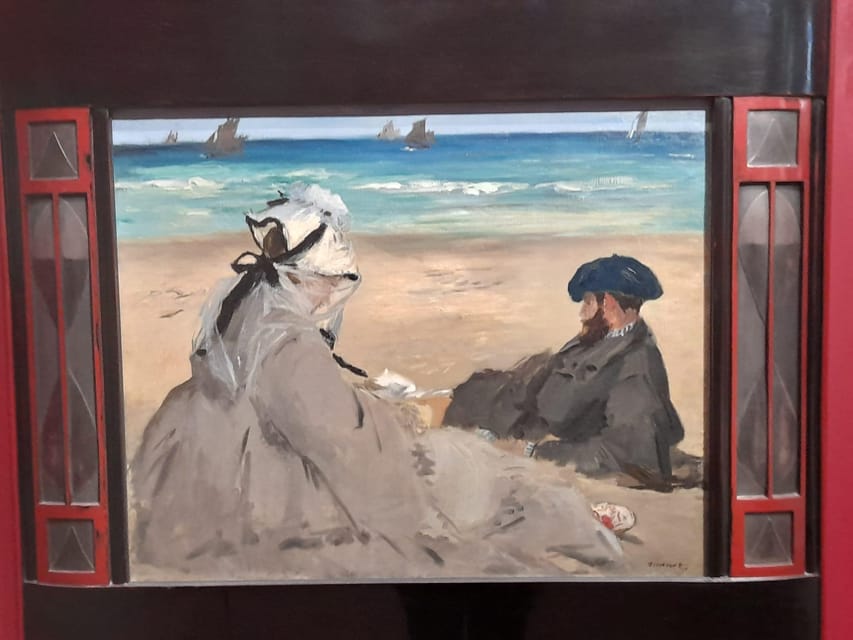
Once inside, the guide helps you make sense of a collection that can otherwise feel like a parade of famous names. Monet, Manet, Renoir, Van Gogh and Cézanne are among the artists on the route. You’ll also hear about Post-Impressionist painters such as Gauguin, whose work carries the story beyond Paris and toward other parts of the world.
The value here is not simply seeing a painting you recognize. A guide can point out how a work fits into its time, what the artist was trying to do and how that approach differed from the art that came before. One guide might explain a painting’s technique; another might connect it to the artist’s life or a broader shift in society. The particular route and emphasis can vary with the guide.
The reviews of guides such as Merve, Gabriella, Thibeault, Erlon and Laetitia describe lively explanations, thoughtful artist connections and room for questions. That gives you a sense of what this tour does best: a good guide makes the works easier to read without turning the visit into a lecture. You still need to look for yourself, but you’ll have more clues about what to notice.
The tour also moves between subjects. Some paintings show industrial Paris; others take you into the countryside or farther south, through the work of Monet, Cézanne and Van Gogh. Gauguin offers a glimpse beyond Europe. That shift in setting helps you understand how broad the movement’s interests were, rather than treating Impressionism as a single look or a handful of familiar canvases.
Following a highlights route, not the whole collection
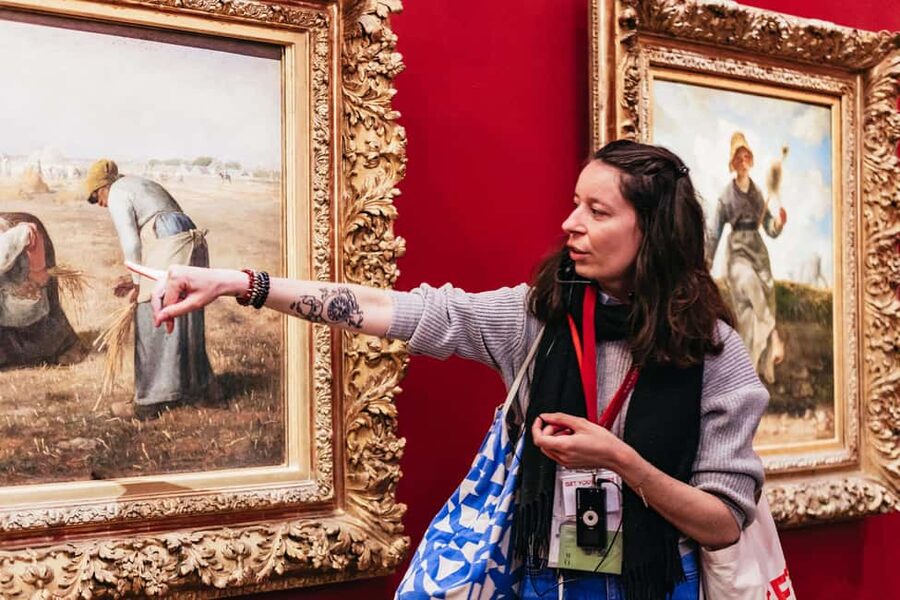
A 90-minute tour is best understood as an introduction. The Musée d’Orsay is large, and even a couple of hours cannot account for every gallery, sculpture and work on display. The guide selects significant pieces and moves you through the museum’s main story. That focus is a real advantage if you’re short on time or want help choosing what deserves your attention.
It also means you may want to return to a favorite room or explore more on your own afterward. The guided portion is not a slow, open-ended wander. Crowds can complicate the pace, especially around well-known works, and one or two visitors have found the experience rushed. Others appreciated that guides paused to let the group look before moving on. Your experience depends partly on the room conditions and the guide’s timing.
Temporary exhibitions are not included in this tour. If a special show is the main reason you want to visit, check its access separately rather than assuming the guided ticket covers it. The tour is centered on the permanent collection and the museum’s Impressionist and Post-Impressionist highlights.
One practical restriction matters: once you leave the museum, you cannot re-enter. Don’t plan to step outside midway through and come back later on the same visit. Large bags and luggage are not allowed, nor are selfie sticks or tripods. A cloakroom is included for small bags and clothing, but it is not a solution for travel cases.
Looking through the great clock
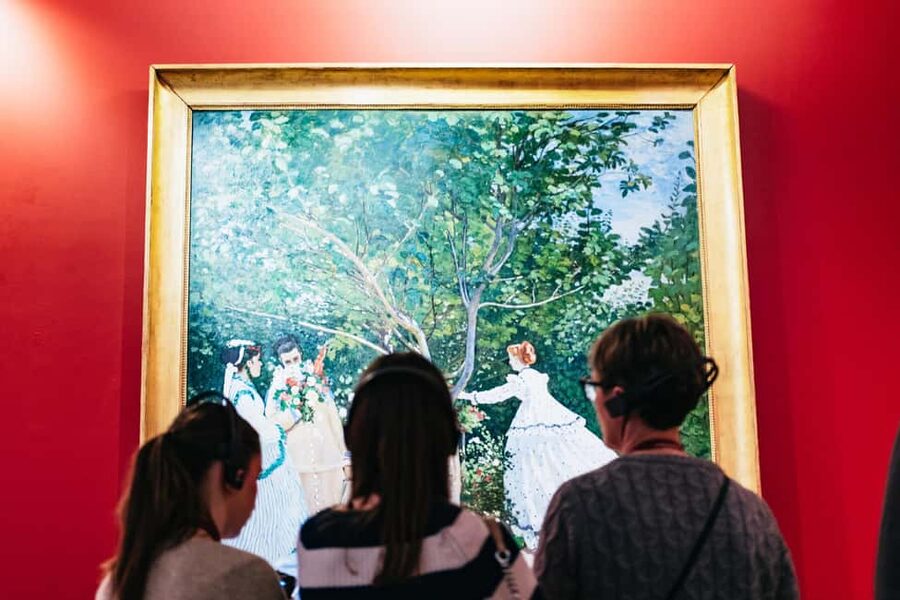
The old station’s clock is more than a decorative landmark. From one of its windows, you can look out over Paris, making it a natural pause in a tour built around paintings and their history. The view also brings the building’s original purpose into focus: this was a place designed to connect people and places, not a quiet gallery.
That moment helps balance the close looking inside. You move from painted scenes of city and countryside to a real view of the city beyond the museum walls. It’s a small feature of the route, but it gives the visit a sense of place that a gallery tour focused only on canvases might miss.
More skip-the-line entries in Paris:
- Versailles: Skip-the-Line Tour of Palace with Gardens Access
★ 4.7 · 9,778 reviews - Versailles: Skip-the-Line Guided Palace Tour and Full Access
★ 4.6 · 5,214 reviews - Louvre Museum: Skip-the-Line Small Group Guided Tour
★ 4.6 · 3,960 reviews - From Paris: Versailles Skip-the-Line Tour & Gardens Access
★ 4.7 · 3,011 reviews
What $55 buys you
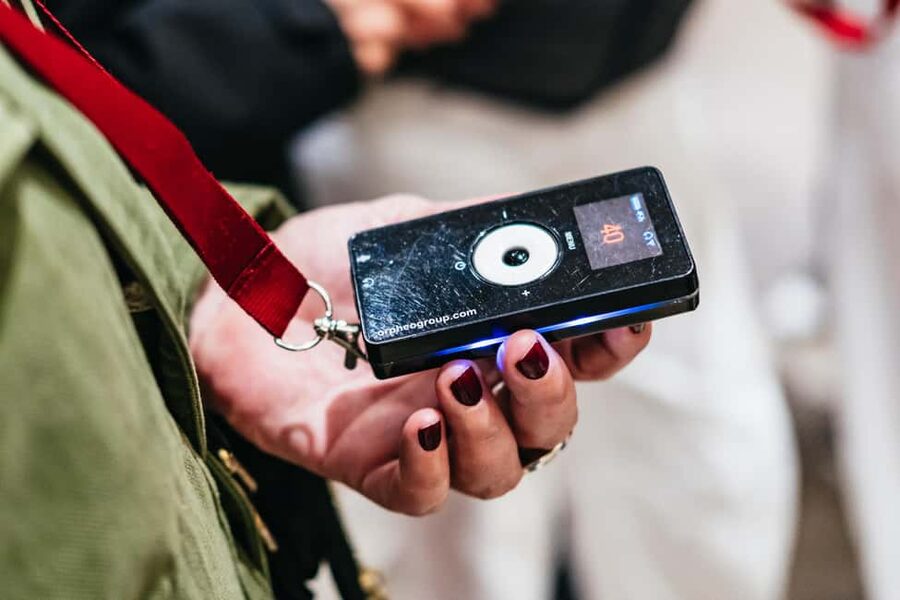
At $55 per person, the price covers a licensed English-speaking guide, the Musée d’Orsay tour, skip-the-line entry, audio devices and cloakroom service for small bags and clothes. You’re paying for more than admission: the guide’s structure and interpretation can save time and help you understand why these works matter, especially if this is your first visit.
The value depends on how you like to visit museums. If you enjoy wandering at your own speed and already know the collection well, a ticket with a digital audio guide may suit you better. If you want someone to set the route, explain the key works and answer questions, the guided tour is easier to justify. A separate entrance is helpful, though security checks still apply and crowds inside are not avoided by the ticket.
The tour does not include lunch. That’s not much of a drawback for a 90-minute visit, but if you choose the Louvre add-on, plan your own meal and break between the morning and afternoon portions. The available information describes the Louvre tour as a two-hour guided visit in the afternoon, but does not specify the length of the break between tours.
Adding the Louvre in the afternoon
You can upgrade to a combined Musée d’Orsay and Louvre experience. The added Louvre portion lasts two hours and covers major works including the Mona Lisa, Venus de Milo and Winged Victory of Samothrace, along with less familiar pieces. It’s a way to get a guided introduction to two very different museums in one day.
That combination suits you if your Paris schedule is tight and you want a guide to help you navigate both collections. It is a long day of looking and listening, though, and neither museum gets the unhurried attention it could fill on its own. Choose the add-on for breadth and structure, not for a deep or exhaustive visit to the Louvre.
The two museums also offer contrasting experiences. Orsay brings you into the later 19th century, with Impressionism and the social changes surrounding it; the Louvre spans a much wider collection and includes the iconic works named in the tour description. If you have time, you may prefer to give each museum its own visit.
Who will get the most from this tour
This is a strong choice for a first visit to the Musée d’Orsay, particularly if you want to see the main Impressionist works without spending half a day working out a route. It also suits anyone who enjoys hearing the story behind a painting and prefers a guide’s explanation to a self-guided visit.
Art lovers with more time may still enjoy the tour as an orientation, then stay to explore at their own pace if the ticket arrangements allow. Keep in mind, however, that leaving the museum ends your visit, and the tour does not include temporary exhibitions. The guided portion itself is fixed at 1.5 hours.
The tour is not suitable for wheelchair users or people with mobility impairments. Children need their own tickets, and you should not bring luggage or large bags. Audio devices are provided so you can hear the guide more clearly, which is useful in crowded galleries.
Should you book the Musée d’Orsay guided tour?
Book it if you want a clear, lively introduction to Impressionism, value a guide’s explanations and would rather spend 90 minutes on selected works than roam without a plan. The station history and clock view add character, while the separate entrance can make arrival more orderly, though it does not remove the security check.
Skip it if you want a quiet, self-paced visit, need wheelchair access or mainly want to see a temporary exhibition. For most first-time visitors who can manage the brisk highlights format, $55 is a reasonable price for admission, a licensed guide and a focused route through one of Paris’s most memorable museums.
FAQ
How long is the Musée d’Orsay tour?
The guided museum tour lasts 1.5 hours. Allow about 30 minutes for organization, entering the museum and getting audio headsets.
What language is the tour in?
The live tour guide speaks English.
Where do I meet the guide?
Meet beside the entrance of the Musée d’Orsay, next to the horse statue, at the time you booked.
Does skip-the-line entry mean there is no waiting?
No. The tour uses a separate entrance, but you may still wait up to 15 minutes at the security check.
Are temporary exhibitions included?
No. The tour does not give access to temporary exhibitions.
Can I leave the museum and come back in?
No. Once you exit the museum, you cannot re-enter.
Are children allowed on the tour?
Yes, but each child joining the tour needs a ticket.
Can I bring luggage or a large bag?
No. Luggage and large bags are not allowed. Selfie sticks and tripods are also prohibited. Cloakroom service is available for small bags and clothes.
What does the Louvre upgrade include?
The optional upgrade includes a two-hour guided tour of the Louvre Museum in the afternoon, with stops including the Mona Lisa, Venus de Milo and Winged Victory of Samothrace.
Recently reviewed in Paris
- Private Paris WWII History Tour: Occupation & Resistance★ 4.4 · 3 reviews
- Private Highlights of Paris Bike Tour★ 4.9 · 12 reviews
- Private Orsay Museum Tour: 2h Highlights w/ Monet & Van Gogh★ 5.0 · 4 reviews
- Private Mont Saint-Michel trip from Paris Calvados tasting★ 5.0 · 4 reviews
- Paris: Louvre Museum Highlights Small-Group Guided Tour★ 4.8 · 157 reviews
- Highlights of Paris: Private 6-Hour Vintage 2CV Tour★ 3.9 · 19 reviews
- Private Giverny Monet’s House & Gardens Trip from Paris★ 4.9 · 11 reviews
- Private Guided Tour, The Louvre by night !★ 4.2 · 30 reviews
Musée d'Orsay Tours, compared.
Orsay Museum Entry Ticket and Digital Audio Guide App
Read our review →
Paris in a Day: Louvre or Orsay, Eiffel Tower, City Walk & Cruise
Read our review →
Musée d’Orsay Entry Ticket and Seine River Cruise
Read our review →
Musée d’Orsay Skip-the-Line Tour with Expert Guide
Read our review →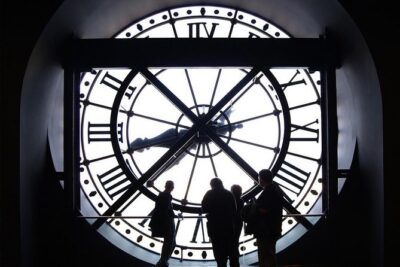
The Musée d’Orsay Guided Tour Orsay Museum Semi-Private 6ppl Max
Read our review →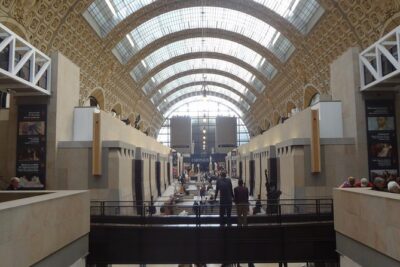
Orsay Museum – Exclusive Guided Tour (Reserved Entry Included)
Read our review →Browse the lists this tour appears in