
Reviewed · MUSEUMS
Paris Museum Pass: 2, 4, or 6 Days
The Paris Museum Pass turns a long wish list into one practical plan: more than 60 museums and monuments are covered, from the Louvre and Musée d’Orsay to Versailles and the Arc de Triomphe. I like the freedom to fit in a small museum between major sights, and I like that the pass can save both ticket money and time when you visit several places.
The catch is that the pass does not remove every queue or replace required reservations. Its days run consecutively by calendar day, and the Louvre, Orangerie, and several other sites require a time slot, so planning matters. If you want only one or two major attractions, buying individual tickets may suit you better.
- The calendar starts with your first use: A 2, 4, or 6-day pass runs for consecutive calendar days, not rolling 24-hour periods.
- More than 60 sites are included: The list ranges from the Louvre and Arc de Triomphe to castles and museums outside Paris.
- Reservations still matter: The Louvre, Orangerie, and several other attractions require advance booking.
- Priority entry has limits: You may avoid the ticket-buying queue, but a pass does not guarantee immediate entry or a timed slot.
- Pickup takes planning: Collect your pass at the tour office near the Louvre, open daily from 9:00 to 16:00.
- The Seine cruise is option-dependent: Check that your chosen pass option includes it before you book.
A flexible pass, not a guided tour
Think of this as an admission tool for a self-directed Paris visit, not a set route with a guide. You choose what to see and how long to stay. That freedom is valuable in a city where a single museum can absorb half a day, while a nearby monument may take much less time.
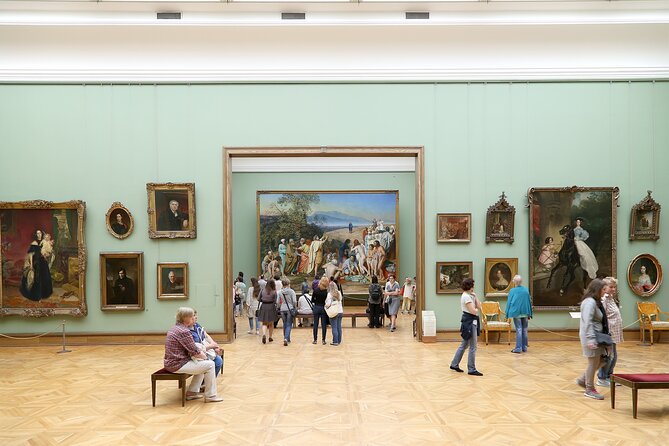
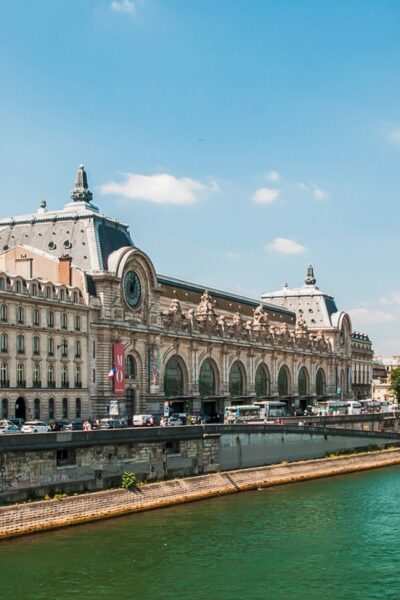
The pass covers permanent exhibitions at participating sites. The selection includes major art collections, military history, architecture, science, and royal residences. In Paris, examples include the Louvre, Musée d’Orsay, Musée de l’Orangerie, Musée Rodin, Musée Picasso, Sainte-Chapelle, the Panthéon, and the Arc de Triomphe. Outside the city, the list includes Versailles, Fontainebleau, Château de Vincennes, Château de Chantilly, and the Basilica Cathedral of Saint-Denis.
That range is the pass’s strongest practical feature. You are not forced to spend every day in famous, crowded museums just to get value. You can use it for a smaller museum or monument that fits your interests, then add a major sight when your schedule and reservation allow.
Choosing two, four, or six days
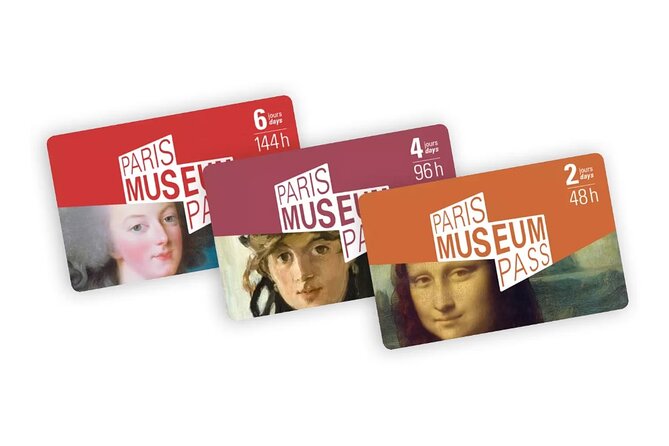
The pass comes in 2, 4, and 6-day versions. Choose based on the number of days you can devote to paid museums and monuments, not simply the length of your Paris stay. A trip with many free activities, shopping, neighborhood walks, or time outside the city may not justify activating a longer pass.
The important detail is how the clock works. Pass days are consecutive calendar days. If you first use the pass at 14:00, that calendar day counts as day one. Starting in the afternoon can therefore spend a full pass day on only a few hours of sightseeing.
I would collect the pass before the day you plan to begin, if your schedule allows. The office is near the Louvre, about a 10-minute walk away, and is open seven days a week from 9:00 to 16:00. That gives you the chance to start early on day one rather than using precious pass time to collect it. Check your booking voucher for the exact meeting point, since it may vary by option.
A three-day version is not offered. If your ideal plan spans three days, compare the cost of a four-day pass with the individual admission prices for your actual schedule. Do not add sights simply to make the pass feel worthwhile. A museum is better enjoyed when you have time to look around, not when you are rushing to tally another entry.
More museum visits in Paris:
- Paris: Louvre Museum Timed-Entrance Ticket
★ 4.6 · 71,977 reviews - Paris: Orsay Museum Entry Ticket
★ 4.7 · 25,647 reviews - Louvre Museum Masterpieces Guided Tour with Access
★ 4.5 · 12,023 reviews
What the covered sights add to your Paris days
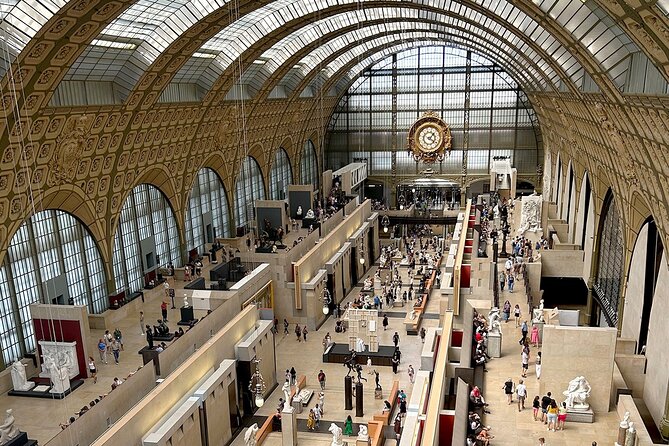
The major Paris museums are an obvious draw. The Louvre has a vast collection, while the Musée d’Orsay is a major stop for art lovers. The Musée de l’Orangerie, Musée Rodin, and Musée Picasso offer different collections and experiences, so the pass can suit visitors with varied interests rather than only those planning a marathon of one kind of art.
The list also reaches beyond paintings. At the Arc de Triomphe, you can visit the monument and take in its place among Paris’s historic sights. Sainte-Chapelle, the Panthéon, and the Conciergerie add architecture and history to the mix. The Musée de l’Armée and Napoleon’s tomb appeal to anyone interested in military history, while the Cité des Sciences et de l’Industrie offers a science-focused change of pace.
Some of the smaller or more specialized sites may be the pass’s quiet advantage. The Musée des Égouts de Paris, the Crypte archéologique de Notre-Dame, the Musée des Arts et Métiers, and the Musée du quai Branly provide alternatives to the best-known stops. A pass can make it easier to consider these places without weighing each admission fee on its own.
Outside Paris, the selection opens the door to day trips and longer excursions. Versailles is the best-known name, but the pass also covers Fontainebleau, Château de Chantilly, Château de Vincennes, Château de Compiègne, and other sites. These are not quick add-ons to a busy central Paris day. Allow time for travel and the visit itself, and check each attraction’s entry rules before setting out.
The pass covers permanent exhibitions, not necessarily every special exhibition or additional activity. Read the details for the place you plan to visit, particularly if a temporary show is the main reason you want to go.
Build a route around reservations, not just the pass list
A long list of included places can tempt you to plan too much. I would start with the attractions you most want to see, then book required time slots before filling in the rest. The Louvre requires advance timeslot booking, and the link is provided on your voucher. Reservations are also mandatory for the Orangerie Museum, the Museum of the Art and History of Judaism, Hôtel de la Marine, and the Cité de l’architecture et du patrimoine.
A pass is not a substitute for those reservations. In high season, popular entry slots can be hard to get, and some sights may still have queues even for pass holders. The Louvre is especially important to plan ahead: entry cannot be guaranteed, in part because of renovation work and high visitor numbers. If the Louvre is central to your trip, secure a time slot early rather than assuming the pass alone will get you in.
You may find that priority entry helps most at places where the main delay is buying a ticket. The Arc de Triomphe and Musée d’Orsay were especially useful stops for pass holders seeking to avoid ticket lines. But priority entry is not the same as walking straight in at every site. Sainte-Chapelle, for example, may still involve a wait, and an individual timed ticket can move faster than a pass-holder queue at a busy attraction.
Before you arrive at each site, check its current reservation and entry instructions. Different museums use different booking systems, and a pass does not guarantee that a desired slot will remain available. This is a little administrative work, but it can save you from reaching a museum only to find that the next available entry time is hours away.
Make the price work for your plans
The stated price is $129 per person, though the cost can depend on the duration or option you select. Check the price displayed for your exact pass before booking. The value comes from combining the admission fees of the places you will genuinely visit, then factoring in the time saved by avoiding ticket-buying lines where priority entry applies.
If you plan to visit several paid museums and monuments over two or more days, the pass may offer a useful balance of cost and convenience. It is particularly appealing if you want to visit five or more museums or monuments and are comfortable moving at a brisk pace. The wider selection can also encourage you to try an unfamiliar site without stopping to price every ticket.
But the pass is not automatically a bargain. If your must-see list consists of only one or two popular attractions, compare individual ticket costs first. You may also find the pass less useful if required reservations are unavailable for the dates you want, or if you prefer to spend a full day at one museum rather than visit several sites.
Children under 18 enter public museums free, and EU citizens under 26 also do not need the pass for free admission. These visitors may still need a ticket with a reserved timeslot, so free entry does not mean you can skip the reservation process. If you are buying for a family, account for these age rules before paying for passes.
If you would rather spend the day differently:
- Paris: 1-Hour Seine Cruise departing from the Eiffel Tower
★ 4.4 · 77,472 reviews - Disneyland® Paris 1-Day Ticket
★ 4.6 · 49,412 reviews - Paris: Versailles Palace and Gardens Full Access Ticket
★ 4.6 · 41,579 reviews - Paris: Arc de Triomphe Rooftop Tickets
★ 4.6 · 34,264 reviews
The optional Seine cruise
A river cruise is included only if you choose the option that lists it. It is a separate addition to the museum pass, not a feature to assume comes with every booking. The supplied details do not identify the cruise company or its exact departure point, so check your voucher for the operator and meeting location.
That small check matters. Several cruise companies operate on the Seine, and heading to the wrong pier can waste time. If the cruise is part of your plan, confirm the company name and departure instructions before you go. Treat it as a pleasant extra, not as a reason by itself to buy a pass that otherwise does not fit your museum plans.
Pickup and practical details
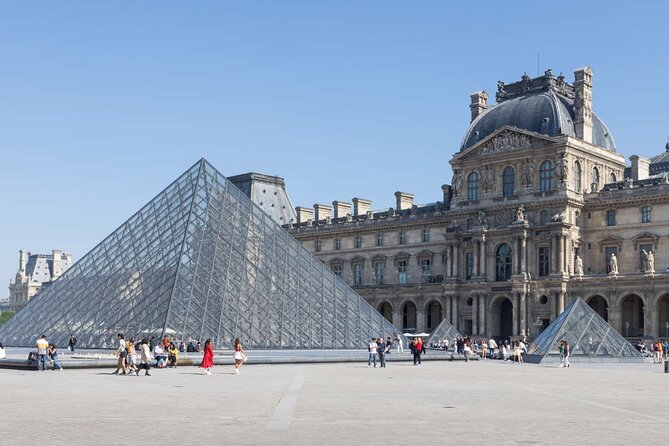
You must collect the pass at a tour office near the Louvre. The office is open daily from 9:00 to 16:00, and the pickup point may vary depending on the option booked. Keep your voucher handy and follow its specific directions. The pickup is manageable if you are already visiting the Louvre area, but it does take time and makes an early start on the first pass day less convenient if you wait until that morning.
The pass is valid for the number of consecutive calendar days you choose. It does not pause overnight or give you a fresh 24-hour period after each use. Plan your first scan carefully, and avoid activating it late in the day unless you have enough time for a worthwhile visit.
Free cancellation is available up to 24 hours in advance for a full refund, and the booking offers a reserve-now, pay-later option. Confirm those terms for your selected booking before you finalize it.
Should you book the Paris Museum Pass?
I would book this pass if you have a clear list of several paid museums and monuments, can secure the required reservations, and want the flexibility to add a few smaller sites along the way. The 4-day option can suit a museum-focused stay, while the 2-day pass can work for a concentrated visit. Choose six days only if you have enough paid attractions planned to use them well.
I would skip it if you are mainly interested in one or two sights, are travelling with children who qualify for free entry, or cannot get reservations for your top choices. The pass can save money and time, but it works best as a planning tool, not a magic key. Pick your priorities, reserve the sites that require it, and let the included range add options rather than pressure.
FAQ
How many attractions does the Paris Museum Pass cover?
It provides admission to more than 60 museums and monuments in and around Paris. The included list features sites such as the Louvre, Musée d’Orsay, Arc de Triomphe, Versailles, and Fontainebleau.
Which pass durations are available?
You can choose a 2, 4, or 6-day pass. The days are consecutive calendar days, not rolling 24-hour periods.
Do I need a reservation for the Louvre?
Yes. You need to book a Louvre timeslot in advance. The reservation link is provided on your voucher, and entry cannot be guaranteed.
Which other attractions require reservations?
Reservations are also mandatory for the Orangerie Museum, the Museum of the Art and History of Judaism, Hôtel de la Marine, and the Cité de l’architecture et du patrimoine.
Where do I collect the pass?
You collect it at the tour office near the Louvre, about a 10-minute walk away. The office is open seven days a week from 9:00 to 16:00, but the exact meeting point may vary by option.
Is the Seine river cruise included?
Only if you select an option that includes the cruise. Check your booking details and voucher for the cruise company and meeting point.
Do children need a pass?
Public museum admission is free for children under 18, and for EU citizens under 26. Museums may still require a ticket with a reserved timeslot.
Recently reviewed in Paris
- Private Paris WWII History Tour: Occupation & Resistance★ 4.4 · 3 reviews
- Private Highlights of Paris Bike Tour★ 4.9 · 12 reviews
- Paris: Louvre Museum Highlights Small-Group Guided Tour★ 4.8 · 157 reviews
- Private Orsay Museum Tour: 2h Highlights w/ Monet & Van Gogh★ 5.0 · 4 reviews
- Private Mont Saint-Michel trip from Paris Calvados tasting★ 5.0 · 4 reviews
- Highlights of Paris: Private 6-Hour Vintage 2CV Tour★ 3.9 · 19 reviews
- Private Giverny Monet’s House & Gardens Trip from Paris★ 4.9 · 11 reviews
- Private Guided Tour, The Louvre by night !★ 4.2 · 30 reviews
Museums, compared.


Louvre Museum Masterpieces Guided Tour with Access
Read our review →
Louvre Museum Entry Ticket With Host and River Cruise
Read our review →
Les Invalides: Napoleon’s Tomb & Army Museum Entry
Read our review →
Louvre Museum – Exclusive Guided Tour (Entry Included)
Read our review →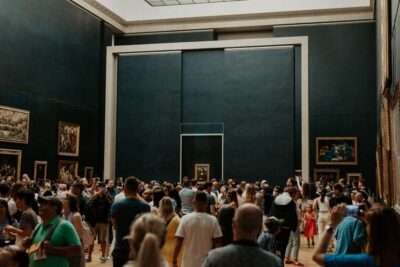
Louvre Museum Hosted Entry and Mona Lisa Audioguide
Read our review →
Louvre Museum Tour Mona Lisa & Iconic Masterpieces
Read our review →Browse the lists this tour appears in