
Reviewed · MONTMARTRE TOURS
Paris: Montmartre hidden gems walking Tour with Local Guide
Montmartre’s appeal is more than a hilltop basilica and a postcard view. This 140-minute walk connects Sacré-Cœur with the artists’ village below, showing how an agricultural community of mills became a Paris neighborhood associated with Picasso, Van Gogh, Dalida and other celebrated names.
I like two things in particular: the small group, capped at 16, gives you room to ask questions, and the stories reach beyond painters to musicians and local history. Guides such as Yazid, Sylvia, Zoe and Marcella are praised for keeping the walk lively and adapting their commentary to the group.
The main consideration is the terrain. You’ll walk uphill on cobblestone streets, and Montmartre’s slopes can take more effort than the modest 140-minute duration suggests. The guide makes regular stops, but comfortable walking shoes are a sensible choice.
What makes this Montmartre walk worthwhile
- Sacré-Cœur begins the story: Hear about the basilica and its vast Sacred Heart of Jesus mosaic.
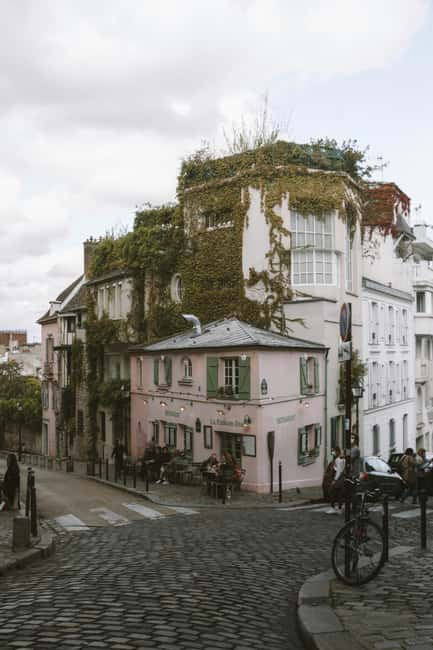
- The route takes in village landmarks: Place du Tertre, Moulin de la Galette, Picasso’s studio, the Pink House and Montmartre’s vineyards are among the sights.
- Art history has local context: Learn how a village of mills became a home and gathering place for artists, musicians and revolutionaries.
- Guides add personality: Yazid, Sylvia, Zoe and Marcella are noted for engaging storytelling, from artists’ lives to music and Paris history.
- A small group keeps it personal: With a maximum of 16 people, there is more chance to hear clearly and ask questions.
- The walk is family-friendly, but hilly: Children are welcome, though cobbles and uphill stretches call for practical shoes and a steady pace.
Starting near Sacré-Cœur
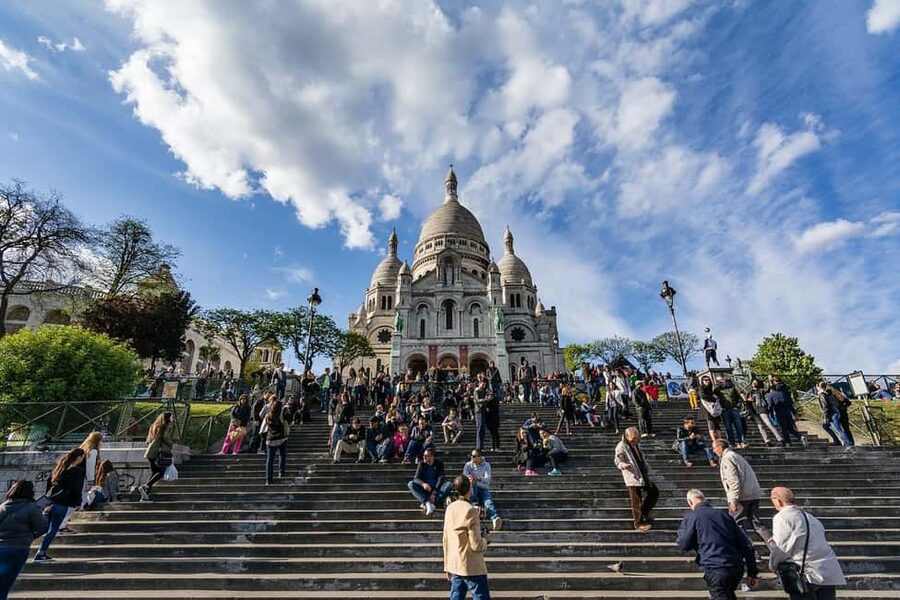
Meet your guide at La Place Saint-Pierre, near the carousel. Look for Paris Tours Experiences and a guide wearing a name tag. The meeting point sits close to Sacré-Cœur, so the tour gets straight to Montmartre’s most prominent landmark rather than using the first part of the outing to travel across the city.
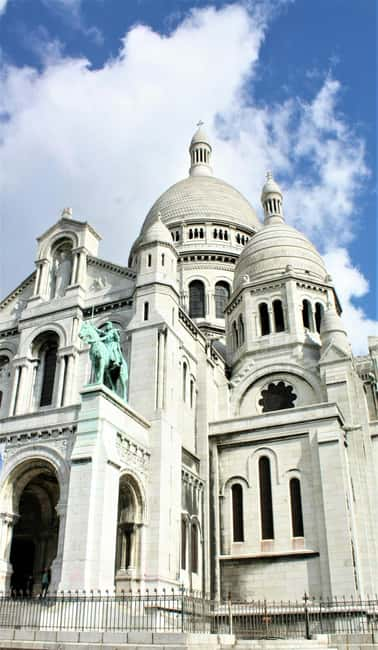
The basilica is a fitting place to begin. Its position on the city’s highest hill gives it a commanding presence, and the view over Paris helps explain why Montmartre has long felt distinct from the streets below. The guide introduces the building and points out the Sacred Heart of Jesus mosaic, described as the largest in the world.
The experience is a guided visit to the area, not a stated promise of entry into every interior space. If seeing the basilica from inside is important to you, check the exact tour details before booking. The tour’s strength is its wider story: Sacré-Cœur is one chapter in a walk through a whole neighborhood.
The meeting point is specific, but the square can be busy. Give yourself time to find the carousel and identify the guide’s name tag rather than arriving at the last minute. If you have a delayed train, one visitor appreciated Yazid’s communication and help catching up, but don’t treat that as a guaranteed late-arrival arrangement.
More Montmartre tours in Paris:
- Montmartre Hidden Gems and Scenic Highlights Walking Tour
★ 5.0 · 2,684 reviews - Montmartre Hill French Gourmet Food and Wine Tasting Walking Tour
★ 5.0 · 2,588 reviews - Paris: Montmartre Cheese, Wine & Pastry Guided Walking Tour
★ 4.8 · 2,255 reviews
From mills and fields to an artists’ village
Montmartre once had an agricultural character, with mills on its hill. The tour uses that change as a thread through the walk: you’re not just ticking off pretty corners, but learning how a village became a fashionable and creative part of Paris.
That context is useful because the district’s famous names can otherwise feel like a list. Picasso, Van Gogh and Salvador Dalí are among the artists associated with Montmartre, while Dalida and Charles Aznavour represent the musicians whose stories also feature in the area’s cultural life. Revolutionaries, too, shaped the city’s past.
Guides bring those connections down to street level. Yazid is particularly noted for stories about artists and their ties to Montmartre. Zoe has included recordings of famous singers’ songs, a small touch that can make the music history feel less abstract. The emphasis can vary by guide, but the tour’s scope extends beyond painting.
This broad approach is a good fit if you want more than a narrow art-history lecture. You’ll hear about the neighborhood’s changing identity, its notable residents and the mix of culture that made it famous. If you’re an art specialist seeking a detailed study of one painter or movement, a dedicated art tour may suit you better.
Winding streets and the landmarks between them

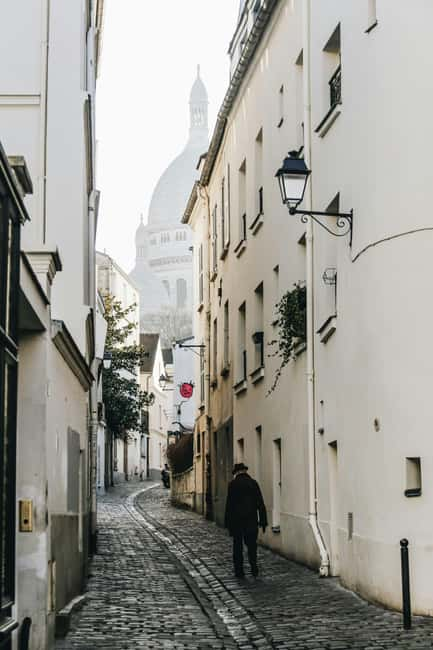
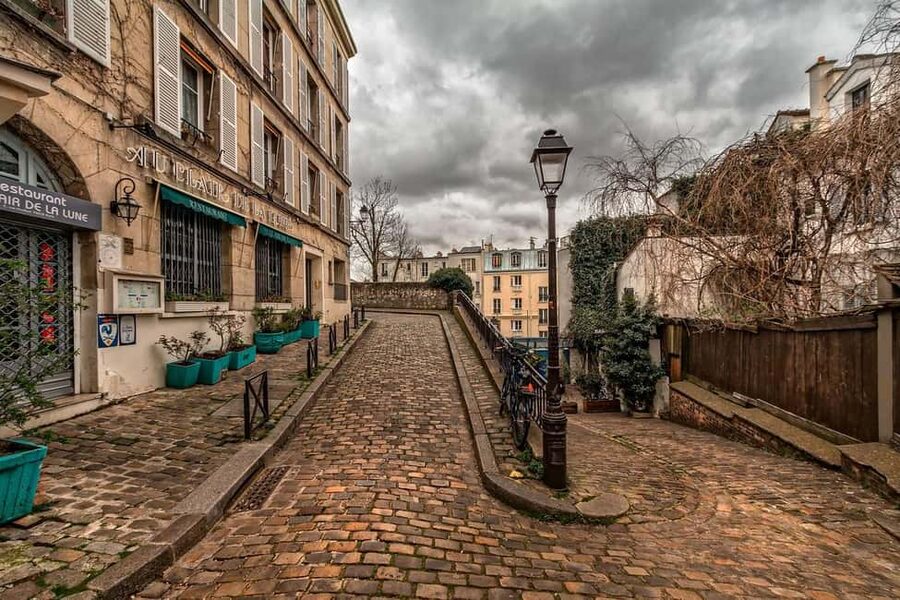
After the basilica, the walk moves through the lanes of Montmartre. The route includes Place du Tertre, Moulin de la Galette, Picasso’s studio, the Pink House, vineyards, cabarets and alleys. These sights give the tour its village feel, though the appeal lies as much in the links between them as in any single stop.
Place du Tertre is one of Montmartre’s best-known squares. Its place on the route makes sense as a point to discuss the district’s artistic identity, while the smaller lanes help you see how the neighborhood differs from broad Paris boulevards. The word hidden can overpromise in a famous district, so expect a guided look at familiar landmarks and less obvious streets, not a secret Paris untouched by visitors.
Moulin de la Galette brings the district’s history of mills into view. It helps connect Montmartre’s rural past with its later reputation as a place for artists and social life. Picasso’s studio offers another point of reference for that creative community, though the tour description does not promise entry to the studio itself.
The Pink House and the vineyards add variety to the walk. They’re reminders that Montmartre is not only a sequence of major monuments. You’ll also pass cabarets and narrow lanes that help create the neighborhood’s character. The exact time spent at each stop may depend on the group and the guide’s storytelling.
One visitor wished there had been more sites, despite enjoying the guide. That’s a fair note if your priority is covering as many landmarks as possible. In 140 minutes, a walking tour has to balance movement with explanation. This one is better understood as a guided introduction than a checklist of every Montmartre attraction.
The view from Paris’s highest hill
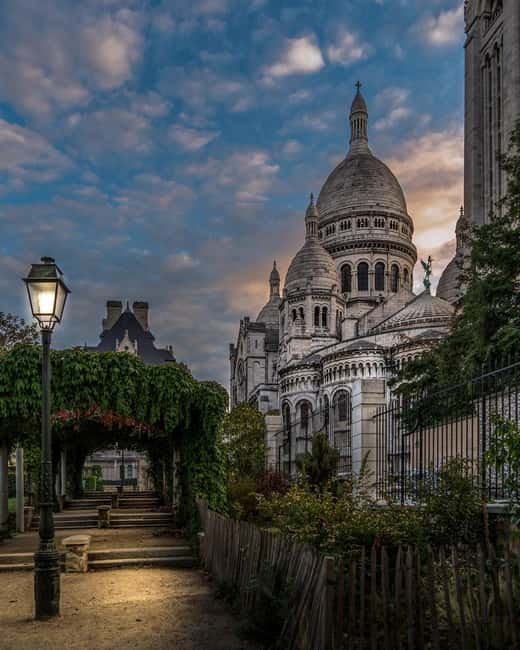
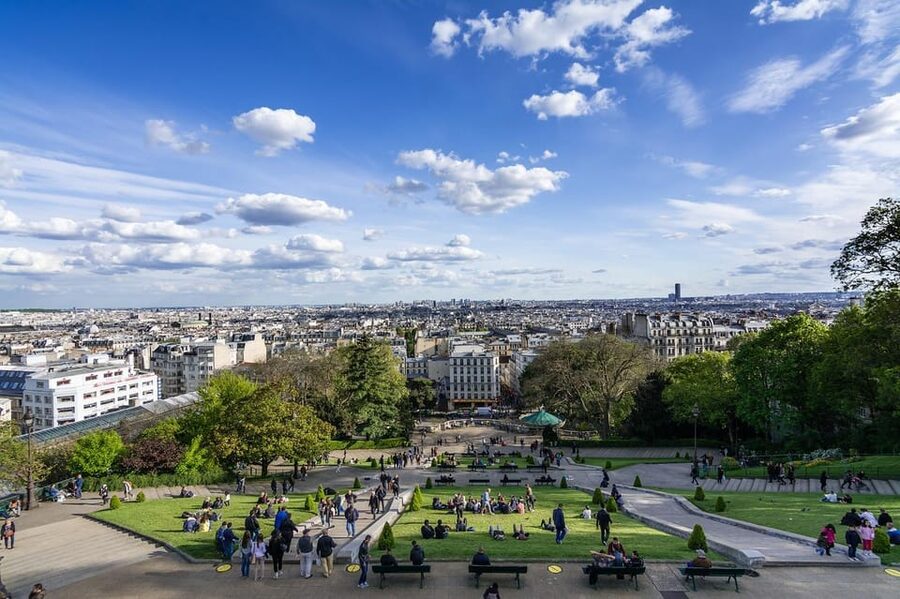
The panoramic outlook is one of the tour’s natural rewards. Montmartre’s hill gives you a broad view across Paris, and the guide can help put the city below into perspective. It’s a welcome pause after the uphill sections and a chance to orient yourself before continuing through the neighborhood.
Views can depend on weather and visibility, neither of which the tour can control. Still, the hilltop setting is part of what makes this route feel distinct. You get the contrast of a high viewpoint and close-up lanes within the same outing.
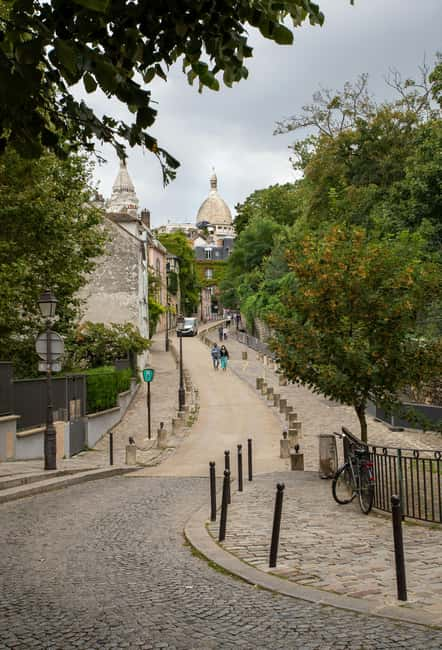
The ascent is the practical detail to plan around. The walk includes uphill cobblestone streets, though one guide was praised for choosing less touristy streets and stopping often enough to make the climb feel manageable. Those pauses also create room for stories and questions, rather than making the outing feel like a race to the top.
More city highlights tours in Paris:
- Paris: Seine River Panoramic Views Dinner Cruise
★ 4.3 · 10,611 reviews - Bateaux Parisiens Seine River Gourmet Dinner & Sightseeing Cruise
★ 4.5 · 6,930 reviews - Paris: Seine River Sightseeing Cruise by Bateaux Mouches
★ 4.4 · 4,461 reviews - Paris: Big Bus Panoramic Night Tour by Open-Top Bus
★ 4.4 · 4,168 reviews
How the guides shape the experience
The guide is central to this tour’s value. Montmartre’s sights are easy enough to photograph on your own, but the stories make them easier to understand. The strongest guide experiences described include lively explanations of artists, musicians and French history, along with an ability to keep a group engaged.
Yazid is a name that comes up repeatedly, with praise for his enthusiasm, depth of detail and approachable manner. He has also been described as good with children and as someone who takes photos for the group. Sylvia is praised for her passion, friendly delivery and practical advice for what to do after the walk. Zoe has brought in music recordings, while Marcella is noted for balancing her commentary to suit the audience.
Those examples point to a tour that can adapt to the people on it. If the group is quiet, a confident guide can keep the energy up; if questions come, there is room to answer them. The maximum group size of 16 helps make that interaction more realistic than it would be in a much larger crowd.
Guide assignments can vary, so don’t book on the assumption that you’ll get a particular person. Instead, consider the format: an English-speaking local guide, a small group and a mix of art, music and neighborhood history. That combination is the dependable part.
A useful pace for adults and children
The tour lasts 140 minutes, long enough to build a clear picture of Montmartre without taking up an entire day. It is adapted for children, and families with young children have enjoyed the combination of stories and sights. That doesn’t mean every child will find two hours of walking easy, especially on cobbles and hills.
The guide’s pacing matters. Stops along the way make the climb less demanding, and stories about recognizable artists, singers and local characters can hold a child’s interest better than dates alone. Parents should still consider their child’s comfort with walking and standing while the guide talks.
For adults, the duration is a useful middle ground. A quick self-guided wander may leave you with attractive photos but little sense of how the village changed. A longer specialist tour may offer more depth, but this walk gives you a substantial introduction while leaving time for lunch or another Paris plan afterward.
Getting good value from the walk
No price is provided here, so I can’t judge the exact cost against other tours. I can assess what the format offers: 140 minutes with an English-speaking guide, a group capped at 16, several major Montmartre sights and context that ranges from artists to musicians and local history.
That’s meaningful value if you want a clear orientation and stories you can’t get from a map alone. A guide can also help you understand how the landmarks fit together, and visitors have appreciated getting suggestions for what to do after the tour. The experience is less compelling if you prefer to explore at your own speed or want long, independent visits at each site.
The operator offers reserve-now, pay-later booking and free cancellation up to 24 hours before the activity for a full refund. Those terms can help if your Paris plans are still shifting, though you should confirm the details shown for your chosen date when booking.
Is this Montmartre walk right for you?
I’d choose this tour if you want a friendly introduction to Montmartre that combines the big sights with neighborhood stories. It suits first-time visitors, art and music fans, and families whose children are comfortable with a couple of hours on foot. The small group and guides’ reported warmth are real advantages.
Look elsewhere if you need a flat route, want guaranteed entry to specific buildings, or prefer a deep technical focus on one artist. The walk covers varied ground, but the cobbles and uphill stretches are part of the deal. Bring comfortable shoes, leave room for pauses, and arrive early enough to find the guide.
For most visitors, this is a practical way to make Montmartre feel like more than a hill with a basilica on top. Book it for the stories and the neighborhood perspective, not for a promise to see every corner.
FAQ
How long is the walking tour?
The tour lasts 140 minutes.
What language is the tour in?
The live guide speaks English.
How large is the group?
The group is limited to a maximum of 16 people.
Where do I meet the guide?
Meet at La Place Saint-Pierre near the carousel. Look for Paris Tours Experiences and a guide wearing a name tag.
Which Montmartre sights are included?
The walk includes Sacré-Cœur, Place du Tertre, Moulin de la Galette, Picasso’s studio, the Pink House, vineyards, cabarets and alleys.
Is the tour suitable for children?
Yes. The walking tour is adapted for kids.
Can I cancel or pay later?
You can cancel up to 24 hours in advance for a full refund. Reserve-now, pay-later booking is also offered, so you do not pay at the time of booking.
More walking tours in Paris
- Paris Top Sights Half Day Walking Tour with a Fun Guide
★ 5.0 · 2,893 reviews - Paris Île de la Cité and Notre-Dame Walking Tour With Crypt
★ 5.0 · 2,272 reviews - Paris in a Day: Louvre or Orsay, Eiffel Tower, City Walk & Cruise
★ 5.0 · 1,956 reviews - Paris: Montmartre Highlights Walking Tour with a Local Guide
★ 4.9 · 1,668 reviews
Recently reviewed in Paris
- Private Paris WWII History Tour: Occupation & Resistance★ 4.4 · 3 reviews
- Private Highlights of Paris Bike Tour★ 4.9 · 12 reviews
- Paris: Louvre Museum Highlights Small-Group Guided Tour★ 4.8 · 157 reviews
- Private Orsay Museum Tour: 2h Highlights w/ Monet & Van Gogh★ 5.0 · 4 reviews
- Private Mont Saint-Michel trip from Paris Calvados tasting★ 5.0 · 4 reviews
- Private Giverny Monet’s House & Gardens Trip from Paris★ 4.9 · 11 reviews
- Private Guided Tour, The Louvre by night !★ 4.2 · 30 reviews
- Highlights of Paris: Private 6-Hour Vintage 2CV Tour★ 3.9 · 19 reviews
Montmartre Tours, compared.

Montmartre Hidden Gems and Scenic Highlights Walking Tour
Read our review →
Montmartre Hill French Gourmet Food and Wine Tasting Walking Tour
Read our review →
Montmartre Cheese, Wine & Pastry Guided Walking Tour
Read our review →
Montmartre Highlights Walking Tour with a Local Guide
Read our review →
Sacré-Coeur and Montmartre Tour with Expert Guide
Read our review →
Private Montmartre Food Tour with Wine, Cheese & Pastries
Read our review →
Paris Montmartre Food Tour – A Full French Meal by Do Eat Better
Read our review →
Hidden Montmartre: Paris’ Secret Streets Walking Tour
Read our review →Browse the lists this tour appears in