Reviewed · PARIS TOURS
Paris: French Revolution Tour Relive the 14th July 1789
The French Revolution began not only in royal halls and grand squares, but in neighborhoods where ordinary Parisians lived and worked. This 90-minute walk through Faubourg Saint-Antoine follows the people and pressures behind the events of 14 July 1789, ending at the Place de la Bastille.
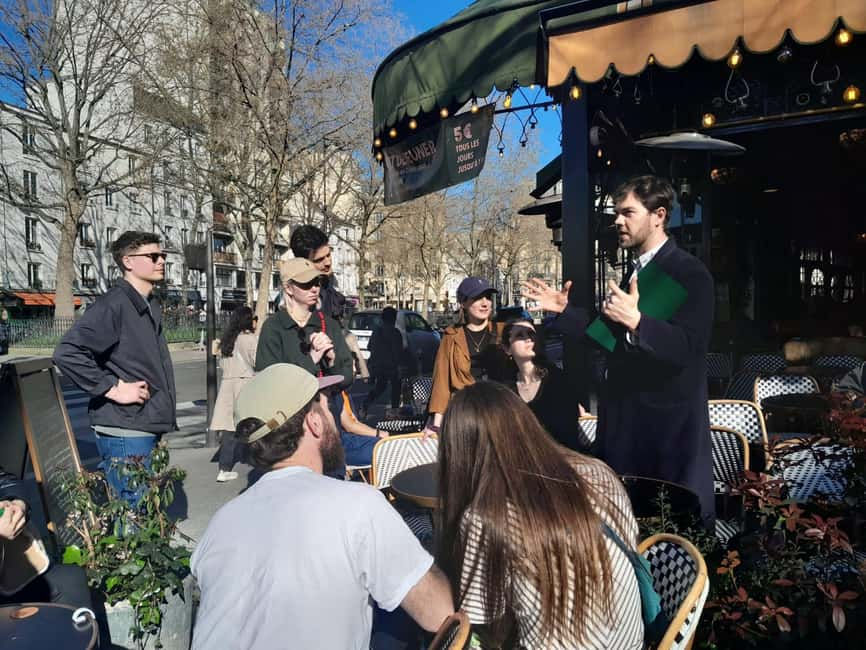
I like two things especially: the route puts revolution in its working-class neighborhood, away from the usual parade of central Paris sights, and guide Robin makes the past legible through local details, social history and, at times, historical pictures. One consideration: this is a compact tour focused on the lead-up to 1789, so it is not a full account of the Revolution, the Reign of Terror or Napoleon.
Key points to know
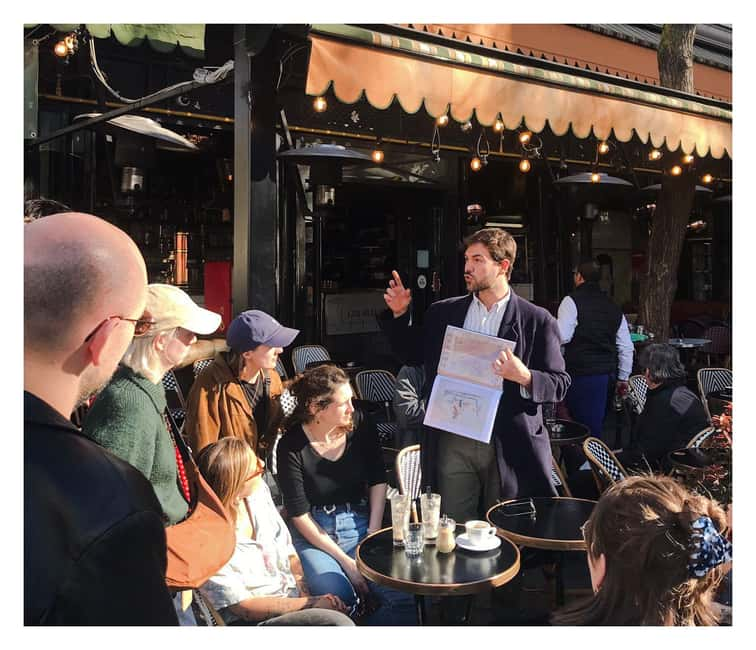
- The walk follows the neighborhood around Bastille: Expect Faubourg Saint-Antoine, La Folie Titon and Passage de Lhomme, with a finish at Place de la Bastille.
- Robin is the guide name most often associated with the tour: The experience is built around clear storytelling and questions, not a one-way lecture.
- It puts daily life in the story: You hear about working people, social conditions and the reasons revolt took hold.
- Small-group size needs a quick check: The details give different limits, from 10 participants to 12 or 15.
- The route is 90 minutes on foot: It suits a short history-focused slot, but leaves little time for a broad account of later revolutionary events.
- It costs $37 per person: For a focused guided walk through a less-visited district, the value depends on how much you want context rather than monument interiors.
Why the revolution makes more sense at street level
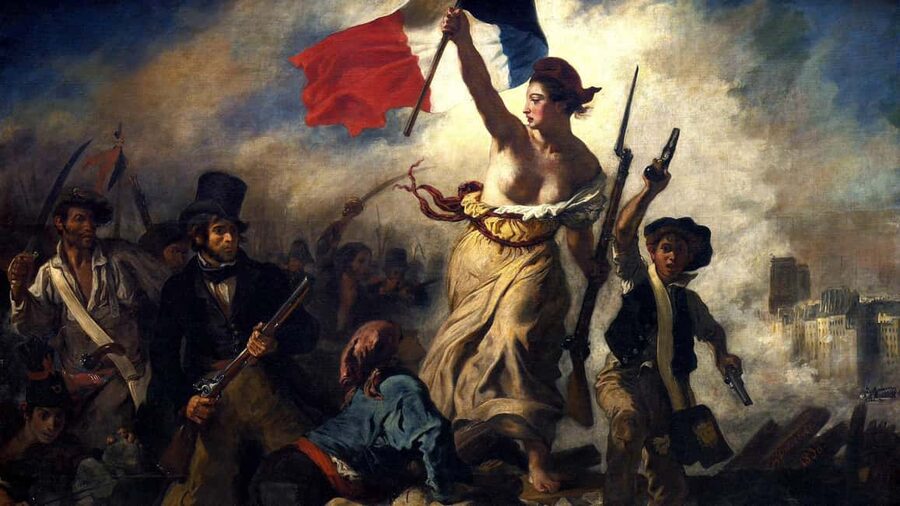
The Bastille is the obvious symbol of 14 July, but a visit to the square alone cannot explain why a crowd went there, what people in nearby streets were living through, or how events gathered force. This tour starts in Faubourg Saint-Antoine, the artisan district whose working population helps give the story its social footing.
That shift in focus is the walk’s main strength. Instead of treating the French Revolution as a list of famous dates and names, Robin connects political upheaval with the conditions of everyday life. You get a local frame for the anger and urgency that brought Parisians into the streets.
The tour description promises an hour-by-hour retelling of 14 July 1789, while the route and guide’s explanations also cover the tensions that led up to it. You can expect the Bastille to be the dramatic endpoint, but the neighborhood is not just a backdrop. Its streets and surviving details help make a distant event feel tied to a real place.
More tours and experiences in Paris:
- Paris: 1-Hour Seine Cruise departing from the Eiffel Tower
★ 4.4 · 77,472 reviews - Paris: Louvre Museum Timed-Entrance Ticket
★ 4.6 · 71,977 reviews - Disneyland® Paris 1-Day Ticket
★ 4.6 · 49,412 reviews
Starting in Faubourg Saint-Antoine
The meeting point is at 1 Place du Docteur Antoine Béclère, between Café les Blouses Blanches and Mon Café. From there, the walk heads through the Saint-Antoine area toward Bastille. This is a useful starting point if you want to see a side of Paris beyond its major museum and monument circuit.
The first part of the route sets up the social setting. The district’s working-class past matters because the Revolution did not happen in a vacuum. As you walk, Robin explains how people lived and why they revolted, giving you context before the story reaches its best-known moment.
A guide who can connect broad history to visible street details adds real value here. Robin has used historical pictures to help show how the area looked in the past, and his explanations draw attention to features you could otherwise pass without a second thought. Keep your eyes up and take your time between stops: part of the experience is learning what to notice.
La Folie Titon and the build-up to revolt
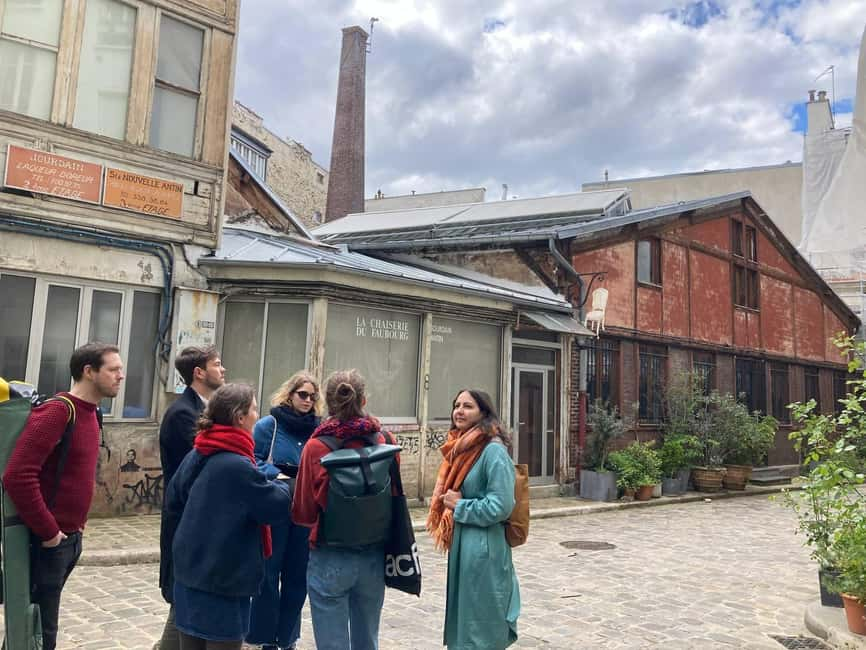
La Folie Titon is one of the named stops, and it gives the route a more specific anchor than a general walk through the district. The tour presents it within the story of the neighborhood and the events leading to July 1789. Rather than simply ticking off a landmark, you hear how local places fit into the larger sequence.
The wider setting is just as important as any single site. The tour’s focus on artisans and working people helps explain why the history here is about more than royal decisions. If you already know the major dates, you may find the social perspective the most useful part: it supplies the human circumstances behind a familiar textbook narrative.
You should not expect an indoor exhibit or a long stop at every location. This is a walking tour, with guided explanations along the way. Its strength lies in how Robin links the points together, not in a collection of standalone attractions.
Passage de Lhomme and the details you might miss
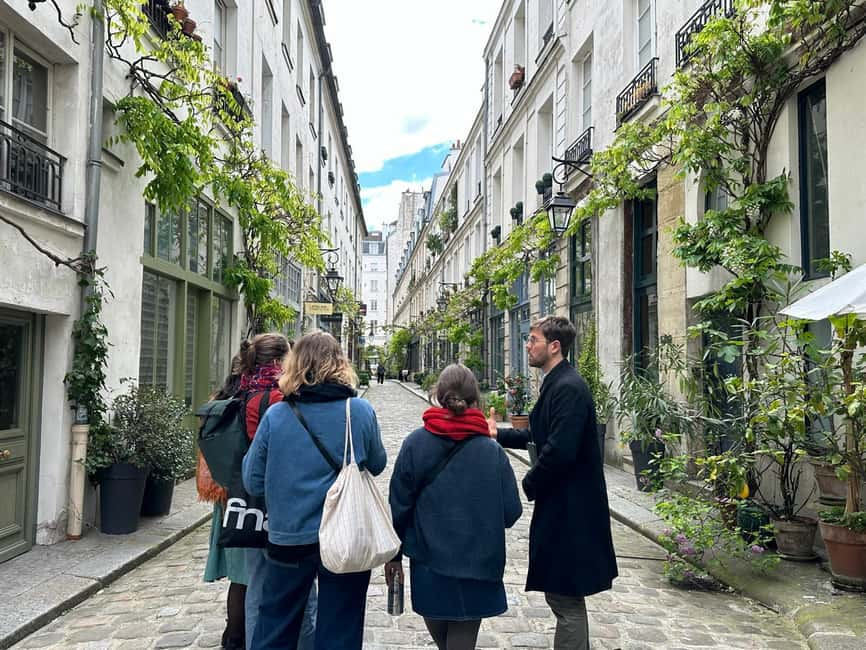
Passage de Lhomme is another named highlight, and a change of scale from the grand public spaces most associated with Paris. Its inclusion helps the walk range beyond the main thoroughfare and into a more intimate part of the district.
The pleasure of this kind of stop is learning to read a place. Small details can help you picture the older neighborhood and understand what has changed, even when the physical setting is not a formal museum. Robin’s use of images and his attention to local features are especially helpful for that. You do not need specialist knowledge to follow along, and the guide invites questions rather than expecting you to stand quietly through a lecture.
The itinerary also includes several stops described simply as hidden gems, a traditional village, a secret stop and a viewpoint. Those labels do not give enough detail to predict exactly what you will see at each one, but they suggest a route that mixes named historical sites with less obvious corners. Go in ready to walk and listen, rather than expecting a fixed sequence of grand monuments.
If you would rather spend the day differently:
- Paris: Versailles Palace and Gardens Full Access Ticket
★ 4.6 · 41,579 reviews - Paris: Arc de Triomphe Rooftop Tickets
★ 4.6 · 34,264 reviews - Paris: Orsay Museum Entry Ticket
★ 4.7 · 25,647 reviews - Paris: Evening River Cruise with Music
★ 4.4 · 22,721 reviews
Arriving at the Place de la Bastille
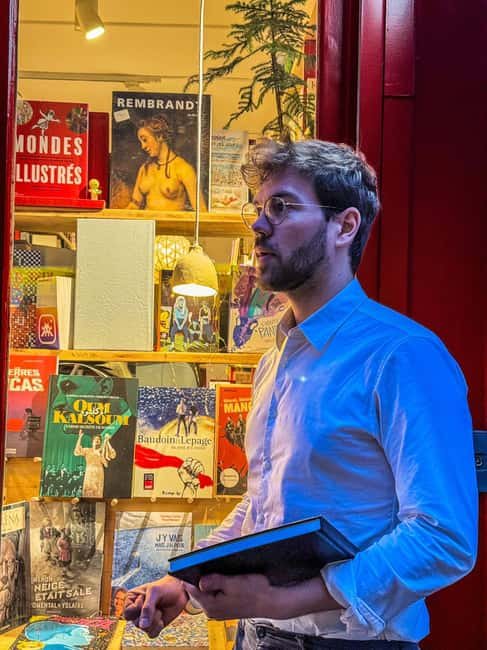
The tour finishes at 28 Place de la Bastille, bringing you to the site most closely associated with the day in its title. The square is a natural place to complete the story: you have moved from the neighborhood that helped set events in motion to the landmark that became their lasting symbol.
The location also makes the route easy to place in your wider Paris plans. You can use the tour as a history-focused introduction to the area, then decide whether to stay nearby or continue on. The walk itself does not promise an interior visit or entry to a museum, so think of Bastille as the conclusion to an outdoor story, not a ticketed attraction.
One of the more useful effects of this ending is that it changes how you see the square afterward. A quick photo stop can make Bastille seem like a single famous place; a guided walk gives you a chain of neighborhood events to associate with it.
What Robin’s guiding adds
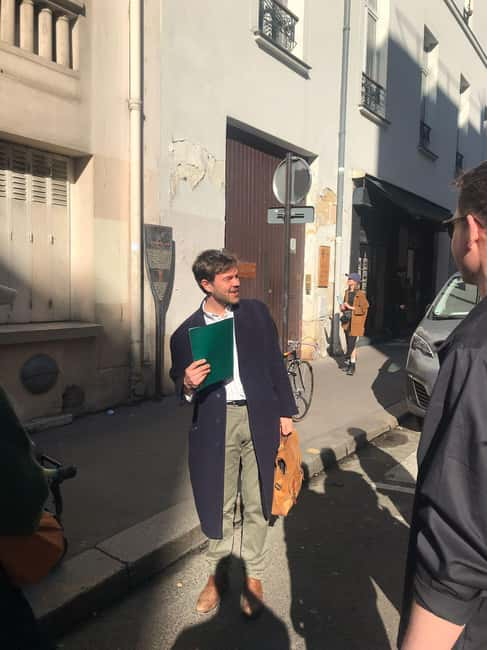
Robin is repeatedly praised for making the history clear, lively and accessible. Several aspects of his approach stand out: he explains the social conditions of the period, encourages the group to take part, and uses local details to make the past easier to imagine. His background is described by some participants as that of a history professor or academic, but the important point for you is the teaching style: serious subject matter, delivered in a conversational way.
That balance matters on a 90-minute walk. The French Revolution can quickly turn into a tangle of factions, dates and political changes. A strong guide keeps the thread intact and gives you enough context to understand why the events escalated, without asking you to arrive with a history degree.
If you like asking questions, this format should suit you. The tour is designed for interaction, and the group size is intended to support dialogue. The exact maximum is unclear in the tour details: one section says 10 participants, another says 12 to 15, while the summary says 12. Confirm the current cap when booking if an especially small group matters to you.
Is $37 good value for 90 minutes?
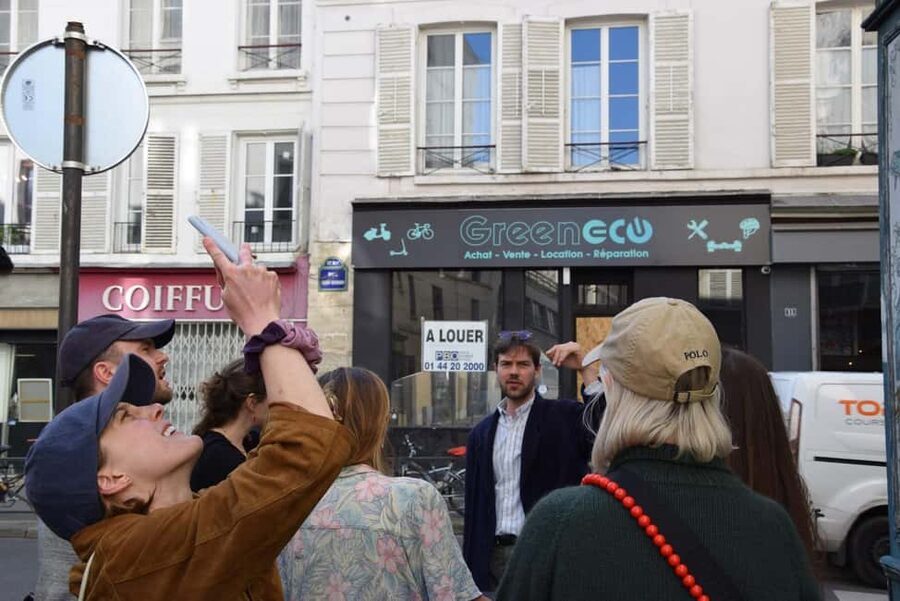
At $37 per person, this is not the cheapest way to spend an hour and a half in Paris. But the price pays for more than a route between places: the guide’s historical interpretation is the main attraction. If you want to understand why the Bastille matters and see the neighborhood through its working-class past, a good guide can add far more than a self-guided walk.
The value is strongest for history fans, first-time visitors who want context, and people who have already seen the headline sights and want a different district. A resident of Paris can also find plenty to learn, because the route focuses on details and stories that are easy to overlook even if you know the area.
The tour is less ideal if you want a broad, chronological account of the French Revolution from 1789 through Napoleon. Although the tour description refers to the rise of the French Republic and Napoleon, the walk’s central focus is the events around 14 July 1789. One useful way to think of it is as a concentrated introduction to the outbreak, not a full course in everything that followed.
There are no additional fees listed. The booking terms allow cancellation up to 24 hours in advance for a full refund, and the reserve-now, pay-later option can help if your plans are not yet settled.
Who should book this walk?
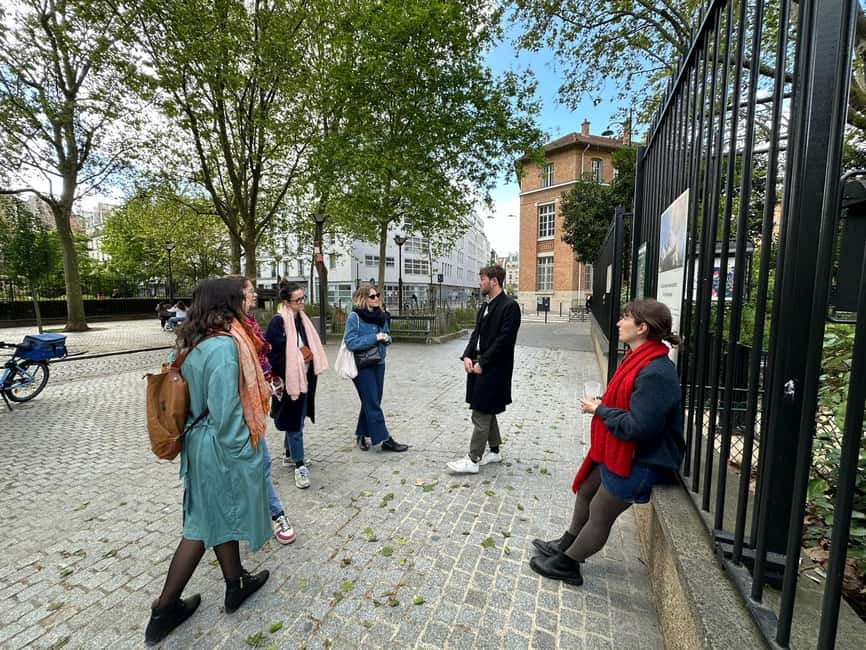
Book it if you enjoy history told through streets rather than only through galleries, or if Bastille has always felt like a symbol without a story. You will get the most from it if you are curious about the people who lived in the district and the conditions that helped fuel revolt.
It also works well early in a Paris visit. One participant wished they had taken it sooner, because the history added context to later sightseeing. That is sound advice: a neighborhood tour can give you a fresh lens for the rest of your time in the city.
If your main interest is the Reign of Terror, Napoleon or a comprehensive timeline, look for an additional experience that covers those chapters. This walk’s particular value is more local and immediate: it takes you through Saint-Antoine toward Bastille and shows how a revolution begins to feel possible at street level.
Practical details before you go
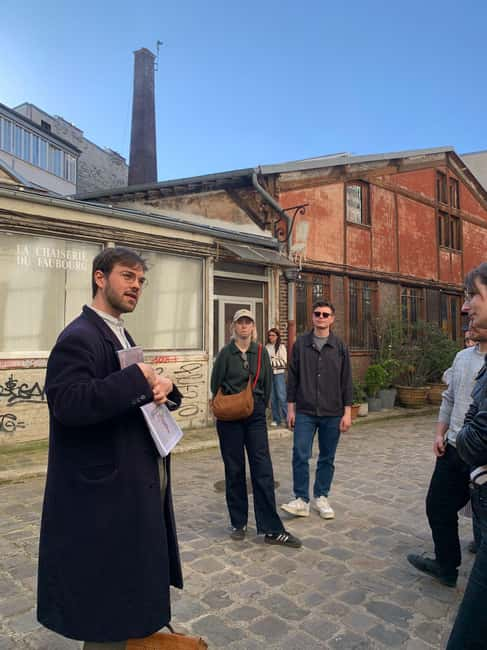
The walk lasts about 90 minutes and is offered in English, French and German. The meeting point is between Café les Blouses Blanches and Mon Café at 1 Place du Docteur Antoine Béclère, and the finish is 28 Place de la Bastille.
Wear comfortable shoes for a guided neighborhood walk. No extra fees are listed, and you can cancel up to 24 hours in advance for a full refund. Because the group limit is stated differently in different parts of the tour information, check the cap for your chosen departure if group size is a deciding factor.
Should you book it?
I would book this tour if you want the French Revolution explained through the streets and social history of Faubourg Saint-Antoine, not just through a famous square. Robin’s clear, engaging approach and the route’s lesser-visited stops make it a strong choice for curious visitors and history-minded repeat visitors alike.
Skip it if you need a full account of the Revolution’s later stages or prefer indoor attractions to walking. For everyone else, $37 buys a focused, useful introduction to the events that led to Bastille Day, with the added bonus of seeing a less familiar part of Paris.
FAQ
How long is the French Revolution tour?
The tour lasts approximately 90 minutes.
Where does the tour start and finish?
It starts at 1 Place du Docteur Antoine Béclère, between Café les Blouses Blanches and Mon Café. It finishes at 28 Place de la Bastille.
Which places are included on the route?
Named highlights include Faubourg Saint-Antoine, La Folie Titon, Passage de Lhomme and Place de la Bastille. The walk also includes other guided stops.
What languages are available?
The tour is offered in English, French and German.
How many people can join?
The group-size information gives different limits: one section says a maximum of 10, while another says 12 to 15. Check the limit for your chosen departure when booking.
What is the cancellation policy?
You can cancel up to 24 hours in advance for a full refund.
Recently reviewed in Paris
- Private Paris WWII History Tour: Occupation & Resistance★ 4.4 · 3 reviews
- Private Highlights of Paris Bike Tour★ 4.9 · 12 reviews
- Paris: Louvre Museum Highlights Small-Group Guided Tour★ 4.8 · 157 reviews
- Private Orsay Museum Tour: 2h Highlights w/ Monet & Van Gogh★ 5.0 · 4 reviews
- Private Mont Saint-Michel trip from Paris Calvados tasting★ 5.0 · 4 reviews
- Highlights of Paris: Private 6-Hour Vintage 2CV Tour★ 3.9 · 19 reviews
- Private Giverny Monet’s House & Gardens Trip from Paris★ 4.9 · 11 reviews
- Private Guided Tour, The Louvre by night !★ 4.2 · 30 reviews
Paris Tours, compared.

1-Hour Seine Cruise departing from the Eiffel Tower
Read our review →

Versailles Palace and Gardens Full Access Ticket
Read our review →